



Ship Strong and Stay Healthy
 June 10, 2025
 Keeping plants in top condition when shipping from the greenhouse to their destination takes more than careful packing — it requires a proactive approach to plant health. The higher levels of humidity and reduced air circulation during shipping create the perfect conditions for increased disease and insect activity.
Fungal threats such as downy mildew, leaf spots, and Botrytis thrive in humid, enclosed transport environments, while insects like aphids and thrips can quickly multiply among the tightly packed plants. Without proper preparation, growers risk having plants arrive stressed, overgrown, or vulnerable, leading to costly losses.
For long-term protection, growers should apply a strategic rotation of fungicides, insecticides, and plant growth regulators (PGRs) to ensure plant quality after leaving the greenhouse. Start by scouting for the following diseases and insects that are prone to develop during shipping.
Botrytis
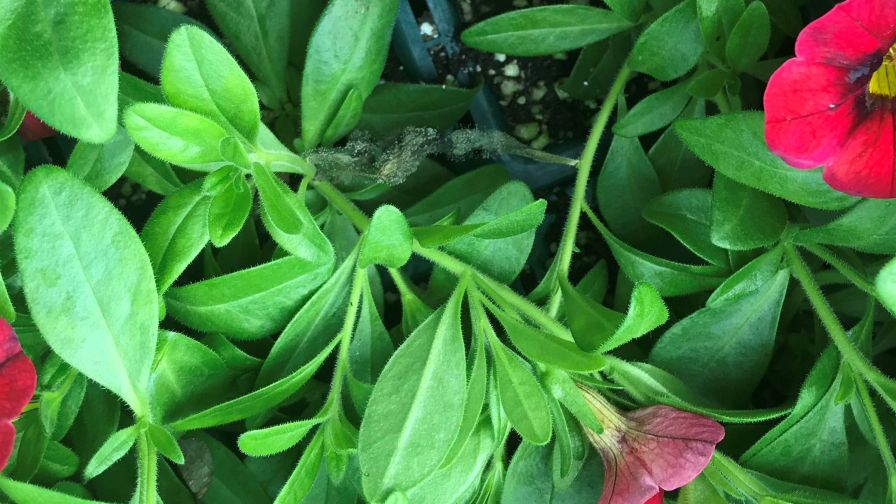
Botrytis infections seem to explode rapidly, resulting in collapsed, fuzzy foliage and flowers. | Syngenta Flowers
Botrytis infections seem to explode rapidly, resulting in collapsed, fuzzy foliage and flowers. Once established, gray mold can quickly spread throughout the crop and production area. Post-harvest environments, such as coolers and shipping boxes, have moist, humid environments that foster Botrytis, making preventive action necessary. Applying a rotation of effective fungicides during production and prior to storage and shipping will protect the crop from Botrytis and ensure its quality for sale. Fungicides should be applied so they penetrate down deep in the canopy where dark, humid conditions prevail, and Botrytis thrives.



Downy Mildew
This disease can sneak in and infect susceptible hosts, so it is important to have crops on a program to prevent outbreaks not only while they are in production, but after they reach their destination. Initial symptoms often appear as internal discoloration and downward curled leaves. Under conditions of high relative humidity, sporulation in the form of white light gray to purple fuzz will appear on the undersides of leaves. A drench with systemic fungicide a week or two prior to shipping can provide extended protection during transit and in the landscape for consumers. The Downy Mildew Agronomic Program at GreenCastOnline.com/Solutions offers valuable guidance on managing susceptible crops and planning effective product rotations.
Leaf Spots
The are several fungal and bacterial pathogens that are responsible for causing leaf spot diseases on ornamentals. Their appearance will vary depending upon the pathogen involved. Fungal leaf spots tend to be rounded with distinct colored margins, while bacterial leaf spots tend to be more angular and have a greasy, water-soaked appearance. Conditions of high relative humidity and poor air movement that are common during shipping exacerbate these diseases. To reduce the risk of surprise outbreaks, ensure plants are protected and have dry foliage before they are boxed and shipped.
Thrips and Aphids
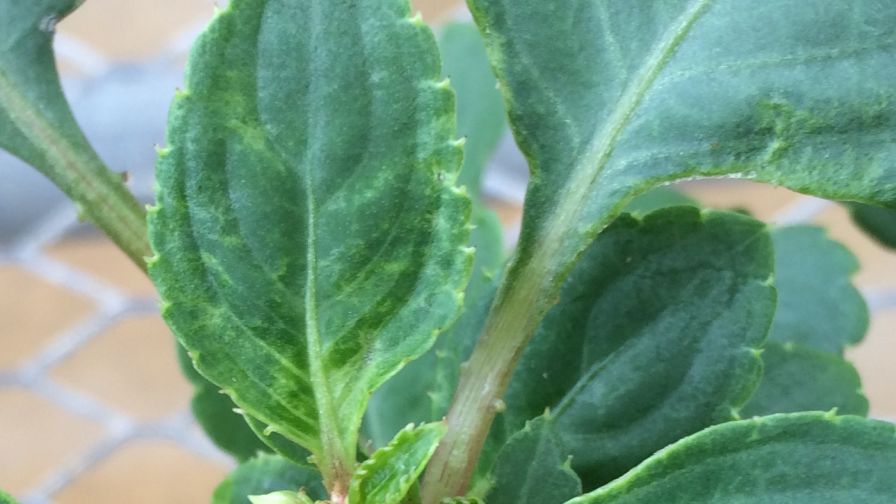
This photo demonstrates thrips damage in impatiens. | Syngenta Flowers
Aphids and thrips are two of the most challenging insects in ornamental plant production. They use their mouth parts to extract fluids from leaves and other plant parts, leading to scarred and distorted growth. Aphids are known for excreting honeydew, which promotes the growth of sooty mold on plant surfaces, often rendering them unsaleable. Both pests can transmit plant viruses and rapidly build up in the crop. Keeping populations low or preventing them from being established in the production area altogether, is critical to maintaining plant health. Since thrips often feed in hard-to-reach areas of the plant (buds and flowers), and aphids can hide on the underside of foliage, scout these spots carefully and remember thorough spray coverage is critical for successful control. Apply effective controls early, before high populations develop.
Subscribe to eNewsletter