



Spring Sprayer Maintenance Tips for the New Growing Season
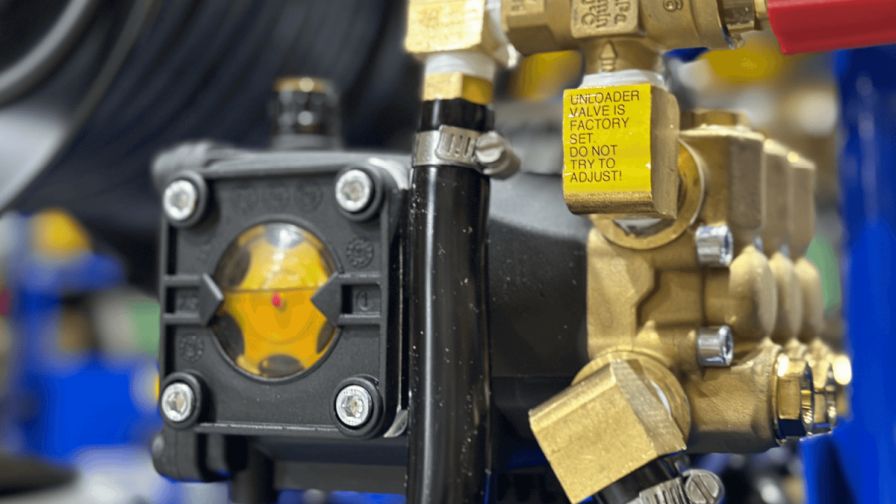
A close up of a greenhouse sprayer for a maintenance check. | Dramm Corporation
Good pest management is key to any growing facility. Insects and diseases can cause huge economic losses when they prevent sale or cause damage that reduces yield. The tools used in this fight are key. While you need the right pesticides to control your problems, the right equipment ensures that these products hit their target. If your equipment is hobbled by maintenance issues, your problems can worsen, even though you are using expensive chemicals and labor to solve them. Proper sprayer maintenance can help ensure your applications are effective and make the most of your pesticide applications.
Low-Hanging Fruit – Spray Nozzles
One of the simplest things any grower can do to keep their sprays effective is to replace nozzles. Spray equipment is meant to perform in a specific way. For a hydraulic sprayer, the solution is pressurized and pumped to the gun. When the trigger is pulled, the solution reflects off internal components in the gun and exits through the nozzle. The flow rate and pressures combine with the geometry in the gun and the nozzle to create spray droplets. A new nozzle will provide the desired spray droplets. In general, finer droplets will cover more surface area and reduce runoff.
However, over time, these nozzles will wear with pressure and abrasive solutions. As they wear, the flow increases, as does the droplet size. Often, growers won’t be aware of these changes, but it is not atypical for worn nozzles to increase their output by 25%. If a grower is expecting 1 gallon per minute (gpm) with their sprayer, but is, instead, getting 1.25 gpm, they are most likely using more water and more pesticide per square foot than intended. They are creating larger droplets, providing poorer coverage, and they are losing more spray solution to runoff. In short, they are using more product for a worse result.
Considering that spray nozzles cost far less than one container of any pesticide, regular replacement should be common and is an inexpensive sprayer maintenance must. With seasonal greenhouses, we recommend annual replacement. In year-round facilities, replace your nozzles every six months to ensure that they are calibrated properly, allowing your equipment and spray team to be more effective.




Filters
Almost all sprayers have some type of filter to protect the nozzles from clogging and to reduce pump wear. These filters are normally visible and easy to reach. However, sometimes they are under the tank or below the pump. Often, they do not have an isolation valve that allows you to shut off the flow so you can open the filter cartridge and clean the screen. This requires you to plan ahead. This also makes prevention more important. If you fill the tank to spray and find the filter is blind, you need to drain to get at the filter. If the filter is clean beforehand, there is less of a concern.
Both sediment in the water and chemicals can clog filters. Make sure that these are regularly cleaned to prevent a loss of flow to the pump. Clogged filters can reduce pressure and flow.
Sometimes filters need to be removed for specific chemistries, such as some biorational pesticides. In these cases, make sure to obsessively flush the pump and plumbing to prevent issues later.
When cleaning your filters, inspect them for wear. Areas that become plugged with deposits or, worse, holes in the screen, mean it is time to replace the cartridge.
Finally, if your sprayer or fogger uses air, there are often air filters that may need attention. The Dramm Autofog or the TurboULV both employ air filters to protect the compressor or blower. If these clog, this will reduce the air to the nozzles and impact the compressor or blower over time as they heat up from working harder to take in air. Some air filters can be cleaned, while others need replacement over time.

For additional information and tips on spring sprayer maintenance (including a look at o-rings, pumps, hose fittings, and more), please read the original article written by Kurt Becker and found on the Dramm website.
Subscribe to eNewsletter