



The Importance of Wildlife Appeal in Ornamental Plant Choices
 June 3, 2025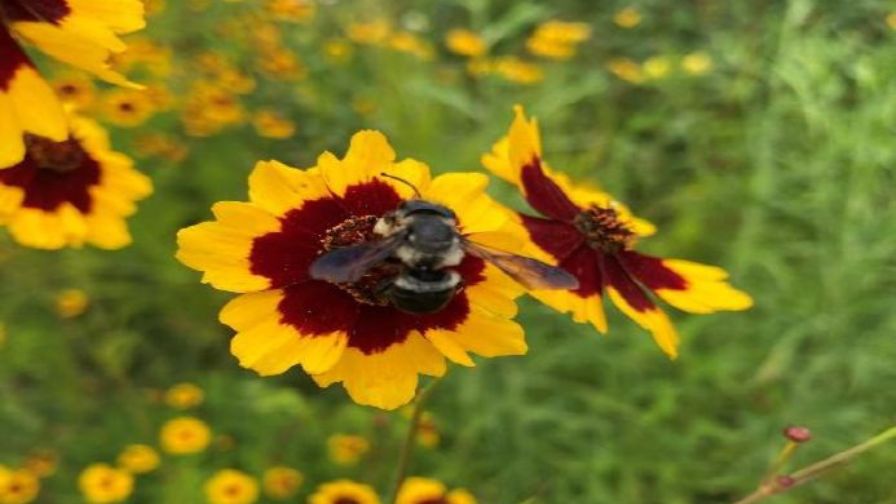
Customers are interested in aiding pollinator insects. | Alicia Rihn
In a recent e-Gro Alert, Alicia Rihn of the University of Tennessee, Knoxville, covers the value-added opportunities of landscaping plant choices that benefit wildlife, and a study on consumer preferences regarding what kind of wildlife most appeals to them.
Measuring U.S. Consumer Interest in Wildlife Near Their Homes
Plants provide food and habitat for all number of creatures, including birds and insects. However, there are certain types of wildlife that consumers want nowhere near their homes. So, what types of wildlife do customers within the industry prefer, and why? Rihn shares findings from a Horticulture Research Institute-funded study conducted in 2023-2024 that “addressed U.S. consumers’ interest in different types of wildlife in their landscapes.”
The HRI Study on Attracting and Deterring Wildlife to Homes
The online survey collected responses “from across the U.S. Different geographical areas were of interest given the plethora of different wildlife that live in those regions,” with a total of 2,011 participants.
After determining their nature-relatedness and their value of nature and the environment, the main part of the survey focused on finding each participant’s interest in attracting or deterring 10 different types of wildlife:



- Bats
- Bees
- Butterflies
- Chipmunks
- Deer
- Game birds
- Insects
- Pollinators
- Snakes
- Songbirds
The ratings of each wildlife type, whether participants as a whole wanted to attract or deter, helped to divide them into three groups:
- Crowd Favorites: Butterflies, Bees, Pollinators, and Songbirds
- Maybe-Maybe Not: Chipmunks, Deer, Game Birds
- Ick or Phobia Wildlife: Bats, Insects, and Snakes
What Impacted Participant Ratings of Wildlife Appeal
Households with children were more open to attracting Maybe -Maybe Not wildlife, while women and older participants were strongly against this group.
Participants with higher education degrees were more interested in attracting insects and snakes from the Ick or Phobia group to their yards.
Those who lived in suburbs were more likely to want to deter any of the wildlife types featured in the study.
Wildlife Benefits to Engage Customers
From the study, Rihn identifies three initial findings regarding the communication of wildlife benefits to customers, helping to better direct them to ornamental plants that fit their needs:
- Using point-of-sale (POS) information is best to “quickly identify which plants benefit the crowd favorite wildlife (i.e., songbirds, butterflies, pollinators, bees),” such as images or logos.
- For the native plant market (such as participants with high nature-relatedness ratings), highlighting a plant’s wildlife benefits would be more effective to shoppers.
- “Households with young children are more receptive to the Maybe -Maybe Not wildlife,” due to the larger size of animals in this category allowing for better observation at a distance.
For additional insights on the benefits of wildlife-centered plant choices, please read the full e-Gro (Electronic Grower Resources Online) alert “Wildlife Appeal In Ornamental Plant Choices,” and the research article behind the alert “Into the Wild – U.S. Consumer Preferences for Residential Landscape Wildlife.” Additional and current e-Gro alert pieces from Volume 14 (2025) can be found online.
Subscribe to eNewsletter