Newsletter Benchrunner Friday How Greenhouse Lighting Is Evolving to Meet Grower Needs By Brian D. Sparks|October 22, 2026
Management Greenhouse Megastore Returns to George Family Ownership By Greenhouse Grower staff|October 22, 2026
First Read Central Garden and Pet Acquires the Burpee Seed Brand By Greenhouse Grower staff|October 22, 2026
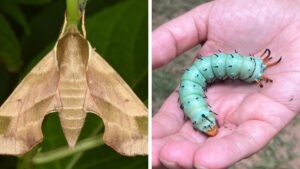
Why Moths Matter More than You Might Think as Pollinators By Allan Armitage|October 8, 2025 Dr. A looks at the importance of conservation efforts to protect pollinators, and why moths are often overlooked as a beneficial insect.
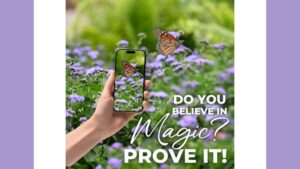
Ball FloraPlant Launches Photo Contest for Ageratum ‘Monarch Magic’ By Ball Horticultural Company|September 20, 2025 Open to the general public and industry members, the online photo contest for Ageratum ‘Monarch Magic’ runs through Wednesday, Oct. 1, 2025.
Monrovia Announces Its 2025 ‘Bee a Winner’ Grand Prize Giveaway By Monrovia|August 4, 2025 The winner, who entered the contest after shopping at Begick Nursery, receives a $500 shopping spree at the Michigan garden center.
Highlights From Greenhouse Grower’s July 2025 Issue By Greenhouse Grower staff|July 31, 2025 From new greenhouse training programs to exploring peat alternatives, here’s what you may have missed in Greenhouse Grower’s July 2025 issue.
Let’s Talk About Deer, Native Plants, and What Pollinators Really Want By Allan Armitage|July 30, 2025 Dr. Allan Armitage revisits the often talked about trends of deer resistance, native plants, and pollinators.
Video Spotlight: Why Bumblebees Are Better Pollinators Than Honeybees By Nick Matysik|July 17, 2025 Pascal Staaks of Koppert Netherlands explains why bumblebees are superior pollinators in open-field pollination settings.
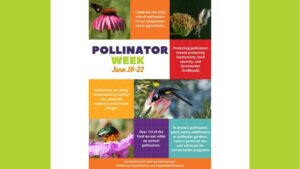
Equitable Food Initiative Launches New 2025 Pollinator Week Toolkit By Equitable Food Initiative|June 24, 2025 Equitable Food Initiative (EFI) celebrated pollinator week (June 16-22, 2025) by launching a free toolkit of educational resources.
New UF/IFAS Research Looks to Protect Pollinators from Pesticide Exposures By UF/IFAS News|June 20, 2025 Chris and Sandra Wilson of the University of Florida are researching ways to minimize pollinator exposure to harmful pesticides.
The Importance of Wildlife Appeal in Ornamental Plant Choices By Nick Matysik|June 3, 2025 An e-Gro Alert from Alicia Rihn examines consumer preferences toward plants that attract certain types of wildlife to their gardens.
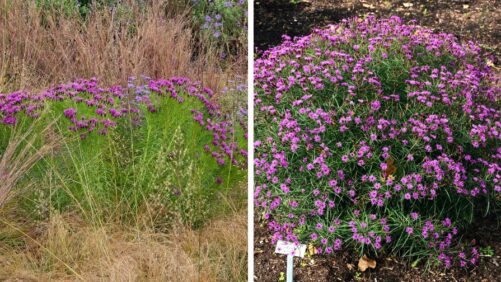
Mt. Cuba Center Shares Results from Four-Year Vernonia Trial By Mt. Cuba Center|February 4, 2025 The trial results show that Vernonia, also known as ironweeds, are highly adaptable native plants in almost any garden environment.
Monrovia’s Research on Gardening Attitudes for 2025 By Monrovia|January 1, 2025 Every year, Monrovia conducts gardening research to reveal insights that garden retailers can use to motivate new sales.
New Research: Native Plants Require Less Water and Outperform Non-Natives By Nick Matysik | UF/IFAS News|October 17, 2024 The study, performed for two years by University of Florida scientists, tested irrigation practices on native and non-native plant species.
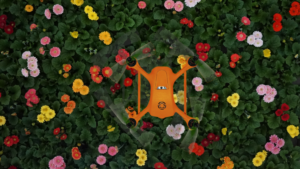
How Pollination Drones Are Emerging as Alternatives to Bees By Nick Matysik|October 16, 2024 Here’s a look at how growers and technology companies are developing drones and other robots to supplement the need for additional pollinators.