A lighting change is a process change, and LED lights need to be reviewed to ensure they are appropriate for the right facilities. Learn how one organization is doing so with your needs in mind.
The International Fresh Produce Association has shared its initial reactions to the newly published rule on the Requirements for Additional Traceability Records for Certain Foods.
The Vineland Research and Innovation Centre is participating in the Homegrown Innovation Challenge by developing an innovative long-cane raspberry production system.
Correlate Infrastructure Partners, a technology-enabled energy solutions provider for the commercial real estate industry, is partnering with Ultra Yield Solutions to address energy use in indoor growing facilities.
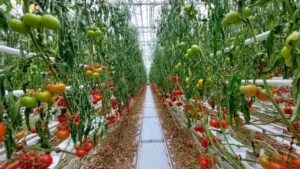
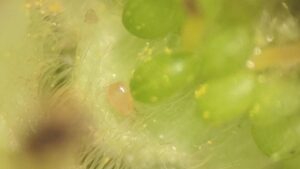
Tomato brown rugose fruit virus poses a constant threat to growers worldwide, significantly reducing yields, affecting the quality of fruit, and systematically infecting other plants.
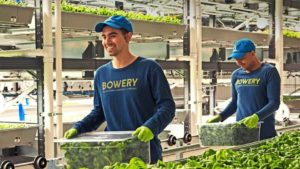
Irving Fain, founder and CEO of Bowery Farming, digs into how the CEA operation is using hydroponics and digital tech to reimagine the future of produce.
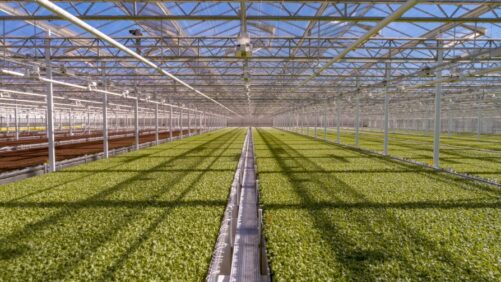
Are you just getting started in greenhouse lettuce, or do you need to educate new production team members? Here are some tips from the University of Alabama.
As indoor production of fruits and vegetables takes root in the controlled-environment industry, it is important to understand how produce buyers view the space, and how the industry is responding.
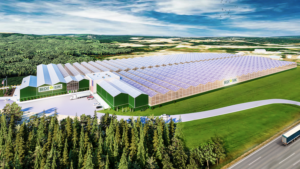
Planting within the first of 20 planned acres in Phase 1 of the new greenhouse, the company’s largest facility to date, is expected to start by the end of 2022.
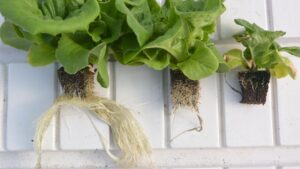
Please note that tis survey, which is designed to understand commercial hydroponic growers’ issues and concerns regarding root health, closes on July 21.