



Why Moths Matter More than You Might Think as Pollinators
 October 8, 2025
 Last month, I attended a meeting of our local Land Trust, where we’re working to protect a lovely river shed in our area from development, not only because it is so beautiful but also because of the tremendous range of species. One topic that stood out to me was the astonishing diversity of pollinators in the area. I listened closely, and I learned a lot that day.
The greenhouse and nursery industries create landscapes that, on the surface, look very different from the native ecosystem I was standing in. Still, I opened my arms and remarked, “While our gardens and landscapes may appear to be artificial compared to this natural scene, the greenhouse and nursery industries are your allies in protecting our ecosystem. It may have taken time, but our industry now firmly stands in the camp of pollinators.”
I spoke about how our programs promoting the use of native plants have spread nationwide and emphasized that nativars can also be an excellent resource for pollinators. “One of the biggest trends in garden plant sales today is a plant’s usefulness to pollinators,” I explained. “Across the country, we now have programs educating consumers about the value of butterflies, bees, and other beneficial insects.”
That is When I Learned About Moths
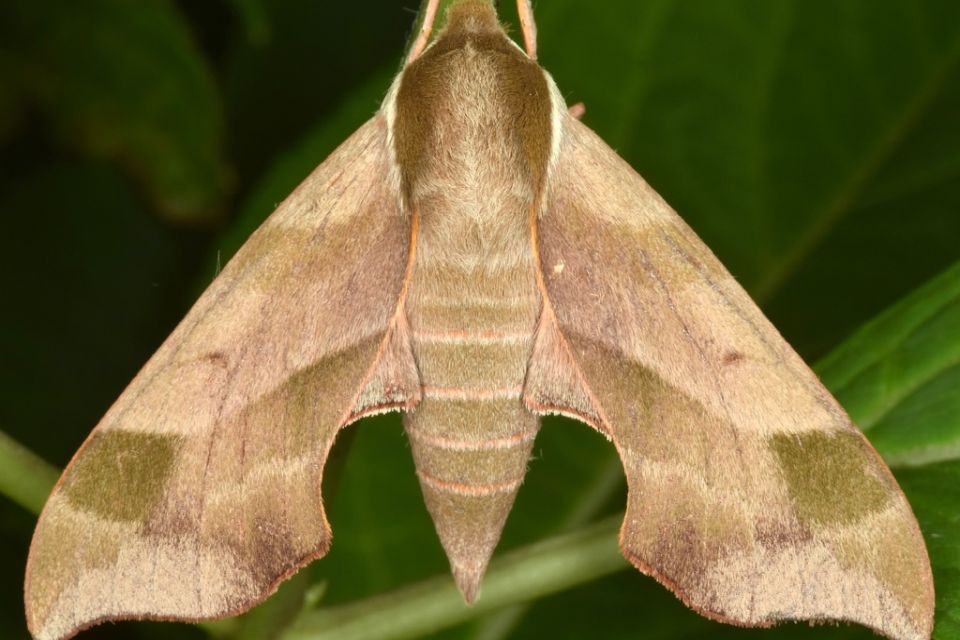
Virginia Creeper Sphinx (Darapsa Myron). | Dr. Allan Armitage
Anyone who says that an old dog can’t learn new tricks clearly hasn’t met pollinator enthusiasts. Their passion is contagious, and they always have something new to teach us. Did you know that for every 100 butterflies in the landscape, there are at least 1,000 moths? Who would have guessed?
We tend to talk about butterflies far more — and for good reason. They’re colorful, charming, and active during the day when we can easily see them. Moths, on the other hand, are most active at night. If you don’t believe me, go out at night with a flashlight, and you will see a lot of them flittering around.
Moths are not as sleek and slender as butterflies, but their fuzzy, hairy bodies are more efficient at picking up and transferring pollen. Because of both their sheer numbers and body structure, moths play a critical role in pollinating a wide range of plants — including many native plants, threatened species, and even important crops. I asked, “If they are so invaluable, why aren’t we talking about them more?”
The answer was simple, “The most common misconception is that all moths eat clothing! In fact, only two species out of nearly 11,000 in the U.S. damage fabrics. Moths simply need a better PR firm.”
So, what is This Lepidoptera Lesson All About?
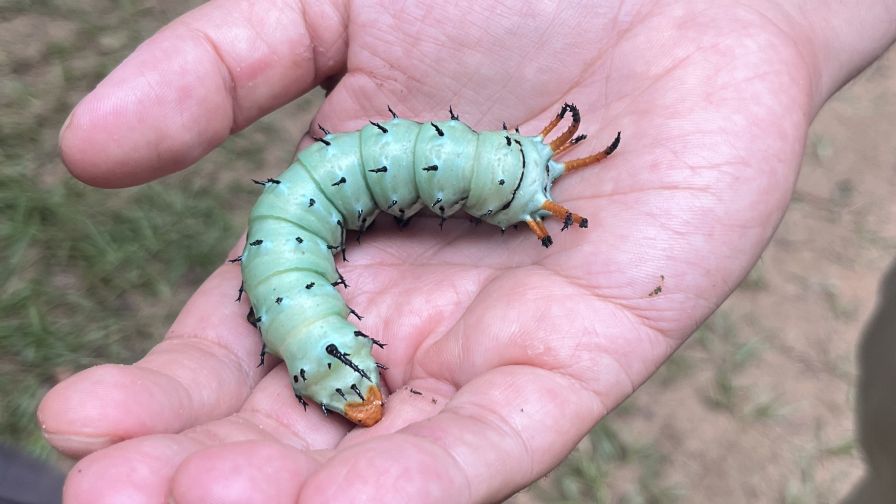
Regal Moth (Citheronia regalis) larvae, also known as Hickory Horned Devil. | Dr. Allan Armitage
Environmentalists and ecologists have long stressed the importance of biodiversity and the role every species plays in a balanced ecosystem. Bringing that same message into the garden means shifting the focus to “the good guys” — the pollinators, predators, and beneficial insects that keep things in check.
In fact, we’ve already made progress: broad-spectrum insecticides have nearly disappeared from the home gardener’s toolbox (though, admittedly, many in the landscape maintenance world still have some catching up to do).
The garden industry’s embrace of the ecological side of gardening allows us to join forces with broader environmental programs that aim to protect forests, streams, and agricultural resources.
We have been marketing “pollinators” for many years now. It has taken that long to get our message to my daughters and to our neighbors. We are getting there, but that simply means we must continue to be stewards of our environment.

Look at the expressions when seeing this hornworm. | Dr. Allan Armitage
We must be conscious that every garden counts, that every plant is useful, and that every single moth should be celebrated as much as a butterfly.
Extra: What Attracts Moths vs. Butterflies
For those curious, here’s the difference between what attracts moths versus what attracts butterflies.
What Attracts Moths
Moths are drawn to pale, fragrant blooms and flowers that stay open at night. This means they’re frequent visitors to many garden crops (except those that close at dusk, such as sundrops, purslane, and gazania).
- Pale or white flowers (e.g., white impatiens, pale yarrow)
- Fragrant flowers (e.g., sweet alyssum, lilies)
- Flowers open at night, including night-blooming plants (e.g., moonvine, evening primrose)
- Especially attractive to moths: Honeysuckle, Nicotiana, four o’clocks, and heliotrope.
What Attracts Butterflies
Butterflies prefer bright, colorful blooms — especially reds and oranges. We love monarchs and brag to our neighbors that our fennel is crawling with caterpillars, but we get grossed out at hornworms even though they produce very effective pollinators.
For butterflies, any open flower works, but specifically: Cosmos, marigolds, zinnias, sunflowers, goldenrod, asters, beebalm, salvias, verbena, and milkweed.
Subscribe to eNewsletter