Newsletter Ornamentals AI and Business Management System Selection: 6 Questions Every Grower Should Ask By William Van Loenen|October 26, 2026
Newsletter Ornamentals What Growers Need to Know About Newly Deregulated Chrysanthemum White Rust By AmericanHort|October 26, 2026
Crops Fleurizon International Celebrates Its 20th Anniversary By Greenhouse Grower staff|October 26, 2026
New Spring Events Announced to Celebrate Native Plant Month By Native Plant Trust|April 15, 2026 Native Plant Trust is celebrating National Native Plant Month with an array of new events throughout Spring 2026.
Evergreen Floral Acquires Obra Verde Growers By Greenhouse Grower staff|March 17, 2026 Obra Verde Growers was established in 1974 and specializes in the production of Australian, New Zealand, and South African native plants.
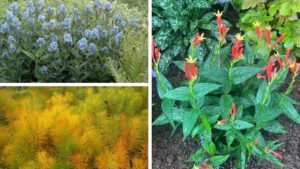
Mt. Cuba Center Shares Results from Three-Year Goldenrod Trial By Mt. Cuba Center|January 27, 2026 The trial results explore the potential applications of Solidago, also known as goldenrod, for gardeners, land managers, and more.
How Sustainability Will Take Center Stage in Spring 2026 By Ecomposite Products|January 16, 2026 Robert Witcomb of Ecomposite Products shares his 2026 spring garden trends focusing on eco-conscious design and sustainability.
It’s 2026 – and Natives Are Still Going Strong By Allan Armitage|January 15, 2026 Dr. Allan Armitage highlights four standout native plants that he hopes to see more of in 2026 and beyond.
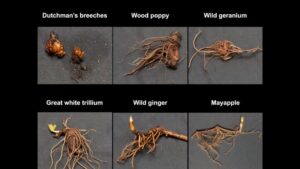
How to Fertilize Woodland Wildflowers for Container Production By Christopher J. Currey | Boston Swan|December 9, 2025 As demand for woodland natives rises, new research offers practical fertilizer guidance for forcing these species in containers.
Is Mankind Nature’s Best Hope for Biodiversity? Find Out in This Webinar By Horticultural Research Institute|November 19, 2025 The final session of the tHRIve 2025 web series, set for Tuesday, Dec. 2, 2025, focuses on addressing biodiversity and climate change.
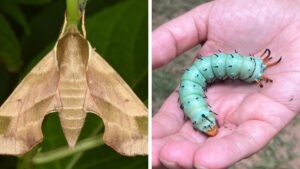
Why Moths Matter More than You Might Think as Pollinators By Allan Armitage|October 8, 2025 Dr. A looks at the importance of conservation efforts to protect pollinators, and why moths are often overlooked as a beneficial insect.
Let’s Talk About Deer, Native Plants, and What Pollinators Really Want By Allan Armitage|July 30, 2025 Dr. Allan Armitage revisits the often talked about trends of deer resistance, native plants, and pollinators.
Plants to Carry the Garden Through Summer By Justin Lombardoni|July 23, 2025 Bridging the gap between spring and fall bloomers means seeking plants that peak during the dog days of summer, when heat is ever present and rain may or not be plentiful.
Native Plant Trust Celebrates 125 Years of Conservation and Preservation By Native Plant Trust|July 17, 2025 For its 125-year anniversary, Native Plant Trust is holding a gala where it will honor Dr. Jonathan Foley with its Founders’ Medal.
Native Plant Propagation and Production Survey Now Open By The Ohio State University|July 7, 2025 The Ohio State University is seeking voluntary input to identify research and Extension priorities on native plant propagation and production.
Putting Natives and Nativars in Perspective By Allan Armitage|April 23, 2025 Dr. A talks about differences between natives and nativars, and how they lead to many misunderstandings in the horticulture community.