



Why Aggressive Does Not Mean Invasive in Native Plants
 May 20, 2026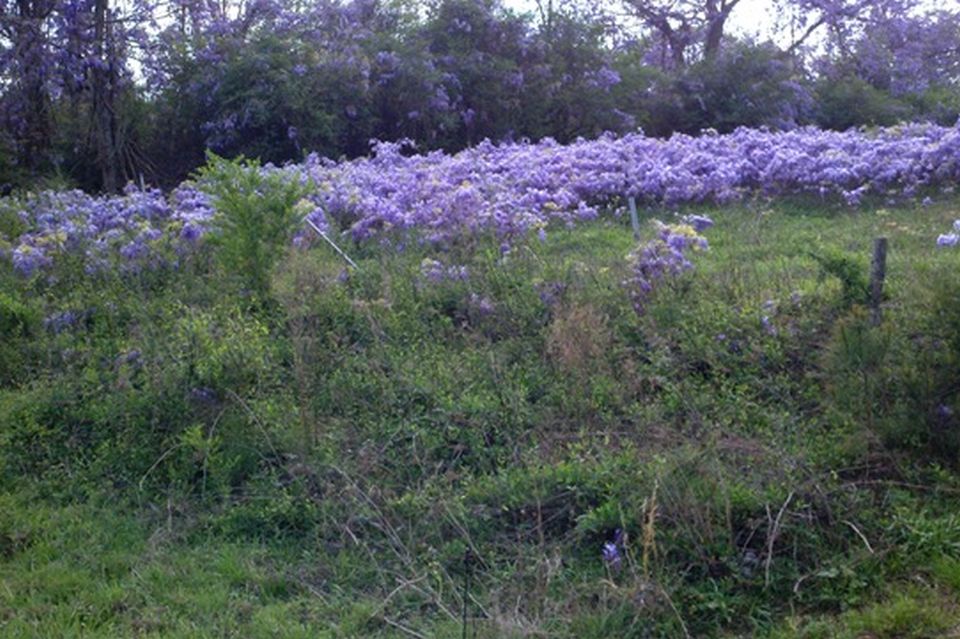
Asian wisteria invading a Southeast pasture and woodlot. These plants were originally sold as a garden plant. | Allan Armitage
I was recently asked to speak at a reasonably large meeting of plant people, both professionals and gardeners. The professionals included nursery growers, installers, and a handful of garden center managers. We talked about new perennials, annuals, and shrubs, but things got lively when issues such as pollinators, natives, and deer were brought up.
Especially the Issue of Invasive Plants
All states have lists of invasive species on their Extension websites, and most are easily assessed. However, these lists are not static, and state invasive plant committees are constantly discussing plants that should be added. I have been involved in conversations in a couple of states where growers were quite upset that a plant they had been growing for many years was being discussed as invasive. As an industry, we should be aware of what is happening because once plants appear on an invasive plant list, the ability to sell and market them is severely impacted.
Everyone seems confused about the definition of an invasive plant, so I will offer four words to untangle the confusion:
Aggressive Is Not Invasive
There are many plants I do not want in my landscape. I do not want mint (Mentha spp.), or chameleon plant (Houttuynia cordata). I don’t want an obedient plant (Physostegia virginiana) or ajuga (Ajuga reptans). I could list many more. These plants are aggressive; they take over my garden, and I end up pulling them out and cursing the day I planted them. But they should not be defined as invasive. These plants are not escaping into pastures, roadsides, or woodland areas; I have never seen one of them on trails or in any native setting. They should not be on anyone’s invasive plant list.
However, let’s be honest: We have not been without responsibility. Early seeding Chinese silver grass (Miscanthus sinensis), Asian wisteria (Wisteria sinensis), English ivy (Hedera helix), privet (Ligustrum spp.), yellow flag iris (Iris pseudacorus), Callery pear (Pyrus calleryana), and dame’s rocket (Hesperis matronalis) are just a few of the plants we have routinely sold in the past that are now listed as invasive in many states. We are doing much better today than we were 10 years ago, but we can still improve.
The challenge comes when state committees add plants to their invasive lists that are not invasive but simply aggressive in the garden. I listed a few above, but one I have recently argued over is golden creeping Jenny (Lysimachia nummularia ‘Aurea’). This is a staple for many growers and a particularly useful plant for groundcovers and containers. The golden form is not invasive; in fact, it seldom flowers in most parts of the country. It could be called aggressive; after all, that is a working definition of a groundcover. The green form may be considered invasive in some areas, so do not sell it. It is a crappy plant, anyway. And, to the skeptics out there, the golden form seldom reverts to green.
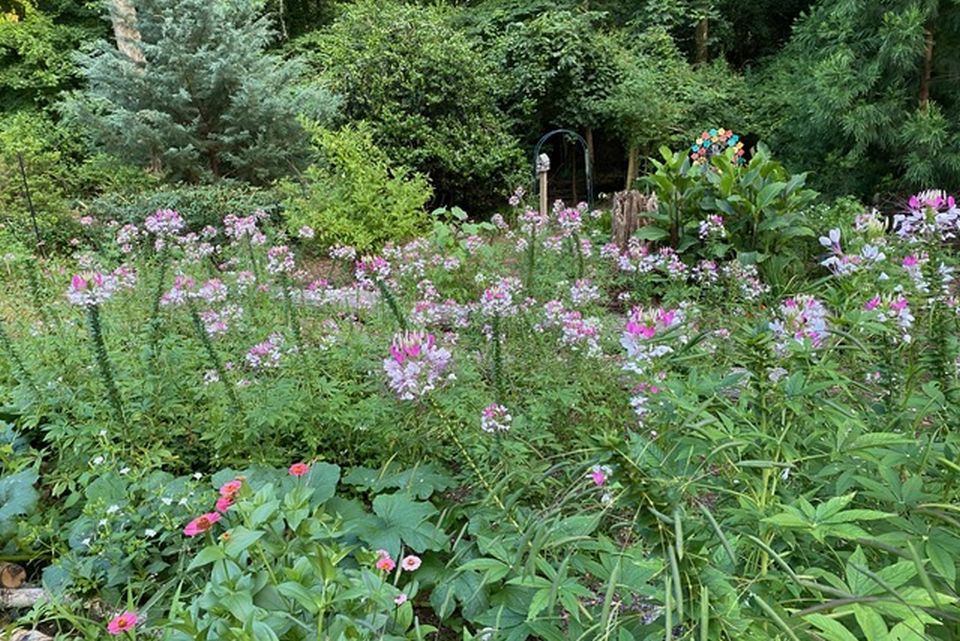
Cleome reseeds freely throughout the garden, but while it can spread aggressively, it is not considered invasive. | Allan Armitage
We could discuss this in much more depth and talk about specific plants, and I expect to hear from growers asking what can be done to change the minds of committees that want to add an important plant to their list. As for us, let’s point out the huge difference between aggressive and invasive. Let’s be aware of which ones are potentially being discussed. The issue of invasive plants is not going away, so let’s stay aware of threats to our own plant lists while also being better stewards of our environment.
Subscribe to eNewsletter