



New Looks, Familiar Roots in Tropical Foliage
A leaf can do a surprising amount of work. It can brighten a gray room with a streak of pink, invite a hand with a velvety or crinkled surface, or make a pothos feel new again.
Consumers still want the thrill of an unusual color, texture, or form, but many are less interested in bringing home a plant that demands constant attention. Even people with extensive collections are making room for varieties that look special without behaving like a full-time responsibility.
The most interesting introductions may be the ones that take something recognizable and make it more colorful, more tactile, or better suited to the way people grow and live with plants.
Bringing More Color Home
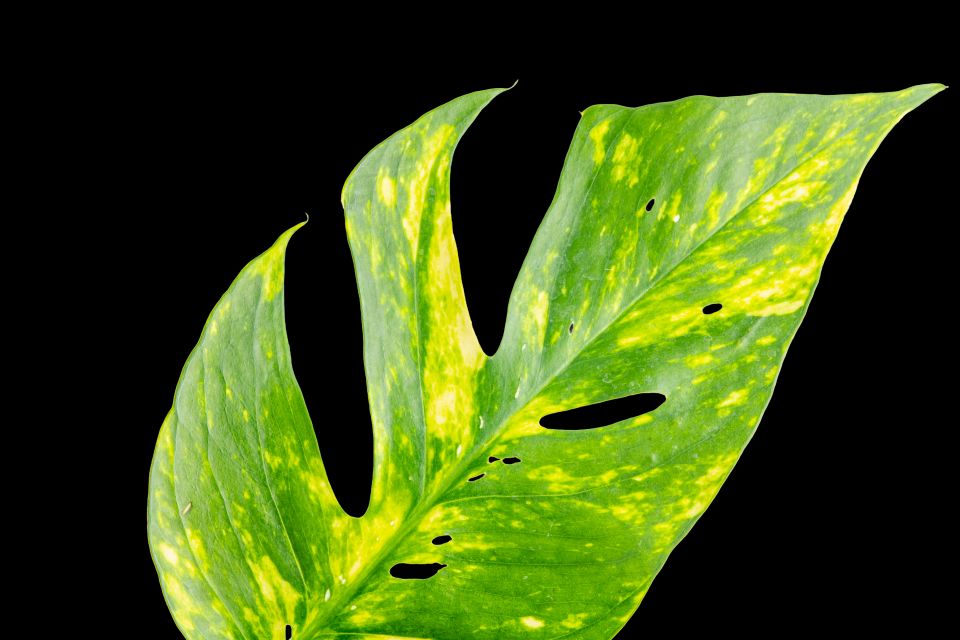
Yellow Sunrise pothos brings bright foliage color to a proven houseplant group. | Costa Farms
It’s no surprise that green-and-white variegation remains popular, but warmer colors are creating new opportunities within established genera.
Sam Kocher, Product Manager for Foliage at Dümmen Orange, sees pink, purple, red, and maroon foliage as a natural way for consumers to bring color into homes and offices dominated by neutral palettes.
Tradescantia ‘Nanouk’ is one example. Its stripes of pink, purple, and green offer a noticeable departure from classic green foliage while retaining the adaptability associated with the genus.
“How often do you find a unique new houseplant that can actually thrive in less than ideal conditions?” Kocher says.
Easy-care appeal is not limited to beginning plant owners. Costa Farms is also seeing experienced collectors gravitate toward dependable plants, especially as their collections grow.
“Folks who have a hundred houseplants especially love the varieties they can rely on to do well no matter what,” says Justin Hancock, Director of Research and Development and Brand Marketing at Costa Farms.
That creates room for plants that offer a new color, pattern, or form without asking consumers to learn an entirely new care routine. Hancock sees continued opportunity in fresh pothos and philodendron selections, including Yellow Sunrise pothos and Green Congo Variegata, that give consumers something visually different while still feeling approachable.
Texture Talks
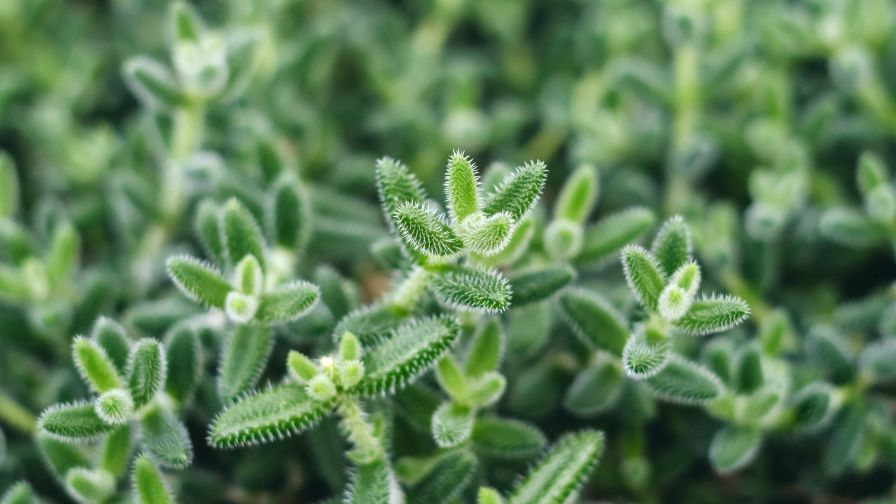
Tiny hairs and pickle-shaped leaves give Delosperma ‘Gherkin’ the tactile appeal Kocher calls part of the “Plant Petting Zoo.” | Dümmen Orange
Color is only one way foliage can draw people in. Kocher uses the phrase “Plant Petting Zoo” to describe plants with leaves that encourage closer interaction.
Velvety foliage on Philodendron ‘Micans’ and Scindapsus ‘Silver Splash’ adds softness. Delosperma ‘Gherkin’ has tiny hairs and pickle-shaped leaves, while Pilea depressa ‘Chocolate’ offers a crinkled surface. Variegated wax ivy (Senecio macroglossus) combines an ivy-like trailing habit with glossy, fleshy foliage.
These tactile qualities give consumers another way to connect with a plant. A leaf may be fuzzy, rippled, bumpy, or unexpectedly thick, turning it into something to experience rather than simply view from across the room.
Hancock says Costa Farms is also seeing interest in foliage anthuriums and monsteras, where distinctive textures and forms can be as compelling as variegation, especially among collectors. Anthurium magnificum, with its broad leaves and prominent veining, is one example in Costa Farms’ assortment.
Novelty Meets the Real World
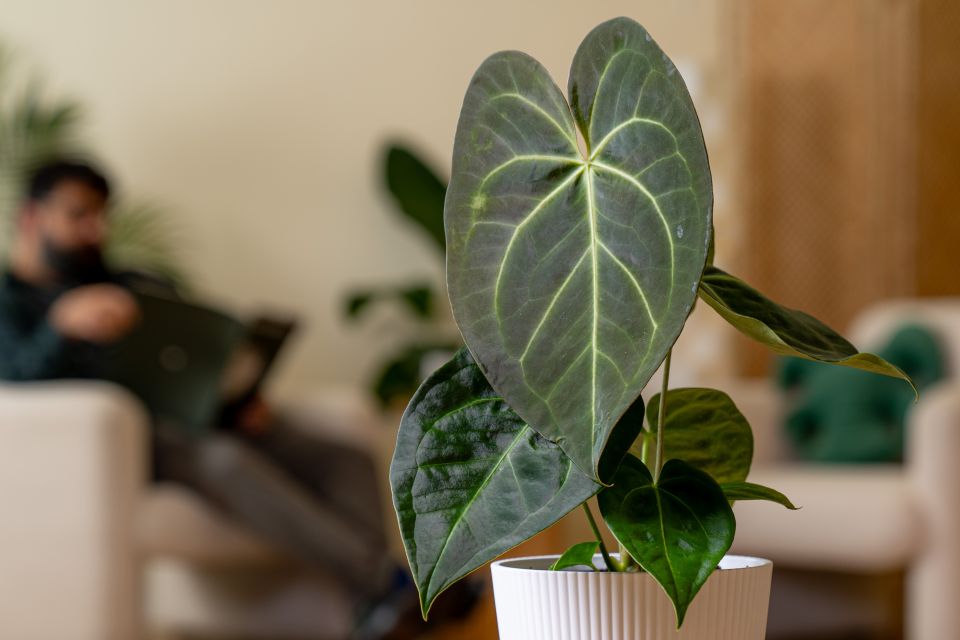
Broad leaves and prominent veining give Anthurium magnificum distinctive texture and form. | Costa Farms
The path from an exciting plant to a broadly available retail crop is longer than it may appear.
At Costa Farms, the first question is whether a new variety can survive in an average home. From there, the team evaluates whether it can be produced and propagated at scale, withstand e-commerce and truck shipping, and hold up under varying retail conditions.
“We have stores we ship to in Alaska, and a plant has to come off the truck there looking just as good as it did being loaded in Miami,” Hancock says.
Shelf life can be one of the greatest hurdles. Houseplants may be displayed indoors or outdoors and exposed to different light levels, temperatures, watering routines, and humidity conditions. A variety that performs beautifully in controlled production may not hold up across that range of environments.
Rarity can also work against broader availability.
Collectors may value a plant because it feels exclusive, but wider distribution depends on stable traits, reliable propagation, and care requirements that do not limit where the plant can be sold.
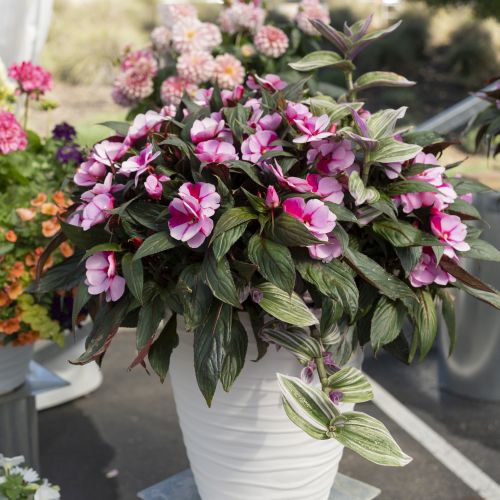
Dümmen Orange’s Garden Party Shade Princess pairs Tradescantia ‘Nanouk’ with New Guinea impatiens in a shade combination. | Dümmen Orange
Kocher also looks at how many roles a plant can play. A variety that works as a houseplant, an outdoor seasonal accent, or a component in a mixed container gives growers and retailers more ways to use it.
Dümmen Orange is exploring that crossover in its Garden Party Shade Princess combinations, which pair Tradescantia ‘Nanouk’ with New Guinea impatiens in containers designed for shade.
For annual and perennial growers, the easiest foliage crops to add may be those that can move through fertilizer, irrigation, light, and maintenance routines already in place rather than requiring an entirely separate production system.
The Classics Still Have Room to Grow
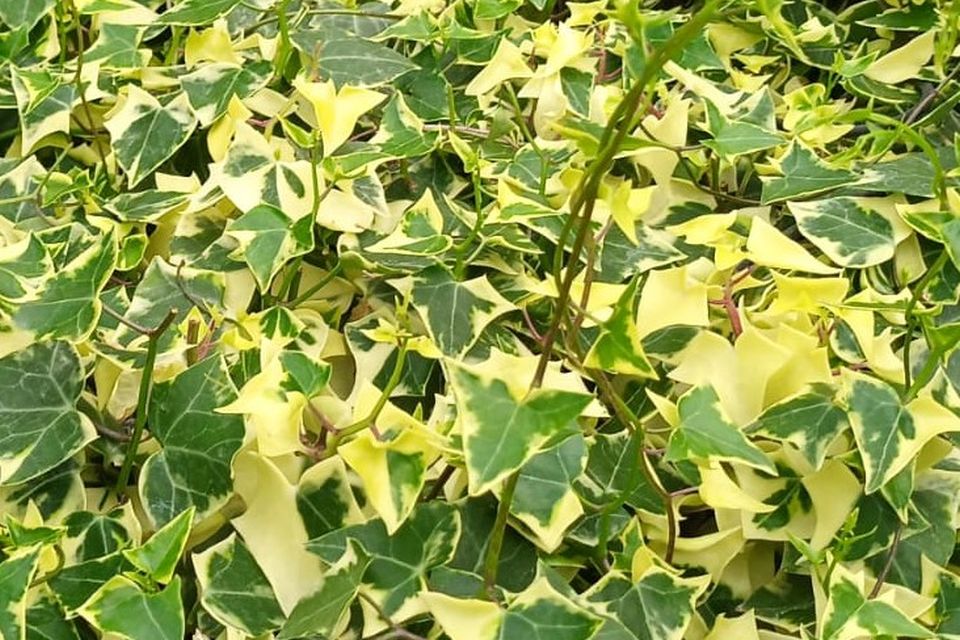
Variegated wax ivy (Senecio macroglossus) is among the crops Dümmen Orange is evaluating as an alternative for mixed containers and other uses. | Dümmen Orange
Rare plants may generate the buzz, but dependable houseplants still do much of the everyday work.
Golden pothos, snake plants, aglaonemas, spider plants, and ZZ plants have earned lasting demand because they are recognizable and forgiving. Their proven performance also makes them useful starting points for future development.
New pothos or philodendron selections may catch attention through color or variegation, but other traits could have a greater long-term effect on production. Kocher sees opportunities in disease and pest resistance, faster rooting, and improved tolerance of heat, sun, moisture, or humidity.
Hancock points to monsteras and Epipremnum pinnatum selections that develop fenestrations earlier, as well as varieties that fill out a traditional 6-inch container more quickly. Costa Farms’ E. pinnatum ‘Marble’ combines that distinctive leaf form with marbled variegation. Those traits can improve retail presentation without requiring growers to produce and ship a much larger plant.
Another opportunity may come from finding alternatives to plants restricted as invasive species in some states. Dümmen Orange is evaluating Aptenia cordifolia, Peperomia rotundifolia, and Senecio macroglossus as potential substitutes for plants such as Lysimachia and Hedera, both as standalone crops and mixed-container components.
The next tropical foliage success may still begin with a leaf that stops someone in the aisle. But what happens after that first look will determine whether the plant becomes a passing trend or the next dependable classic.
Subscribe to eNewsletter
