


Who Needs Flowers with Foliage this Fun?
 April 22, 2026
 Flowers are wonderful. The colors, fragrances, and pollinators they bring to a garden are irreplicable.
View all

Often, they are the main reason consumers choose certain plants in the first place. Too often, though, that show is brief relative to the entire growing season. It isn’t unusual for a bloom period to last less than a month, and even longer displays can be shortened by conditions such as an unusually warm spring. Waiting for late-season color can be a test of patience, while carrying spring bloomers through summer after their peak has passed can feel like a thankless job.
Thankfully, the foliage of nearly all garden plants lasts far longer than their floral display. Several variables come into play, including texture, size, density, and color. Texture can create a tactile experience when surfaces are unusual, whether exceedingly smooth or highly pubescent. Of course, in rarer cases, they can be openly hostile — looking at you, Opuntia.
Size can inspire awe, especially when a blade or leaflet far exceeds expectations. Color may be the most prominent trait when it comes to choosing a plant for more than its blooms. Nearly every shade of the rainbow can be found in foliage, and many taxa offer the added benefit of a pronounced fall transition.
If you’re like me, you’re desperate for color at this time of year. While Galanthus, Helleborus, and many bulbs will be flowering soon, the foliage of many other taxa is just around the corner, and you won’t be settling if you choose the right ones. Below are a handful of cultivars with interesting leaves. Each comes into bloom at some point, but all look just as good, if not better, when their flowers are not trying to steal the show.
Foliage Worth the Spotlight
Fringed bluestar
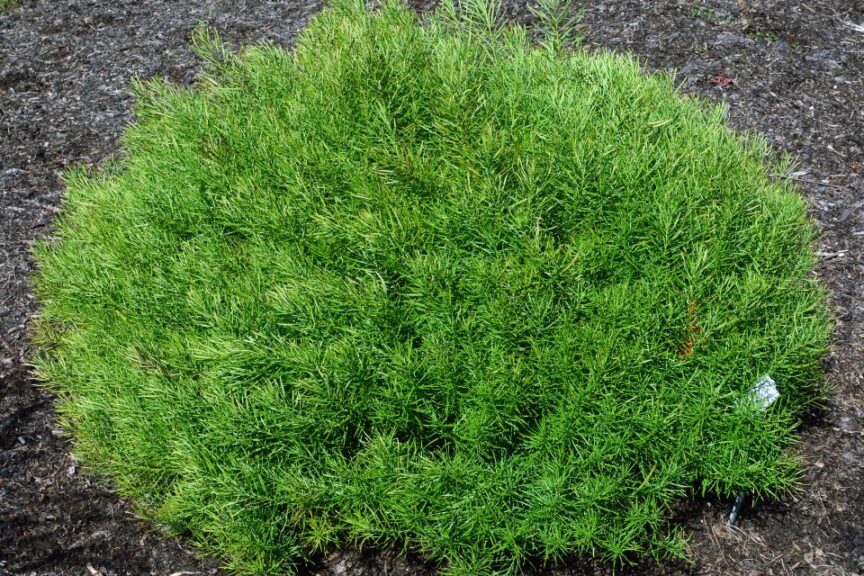
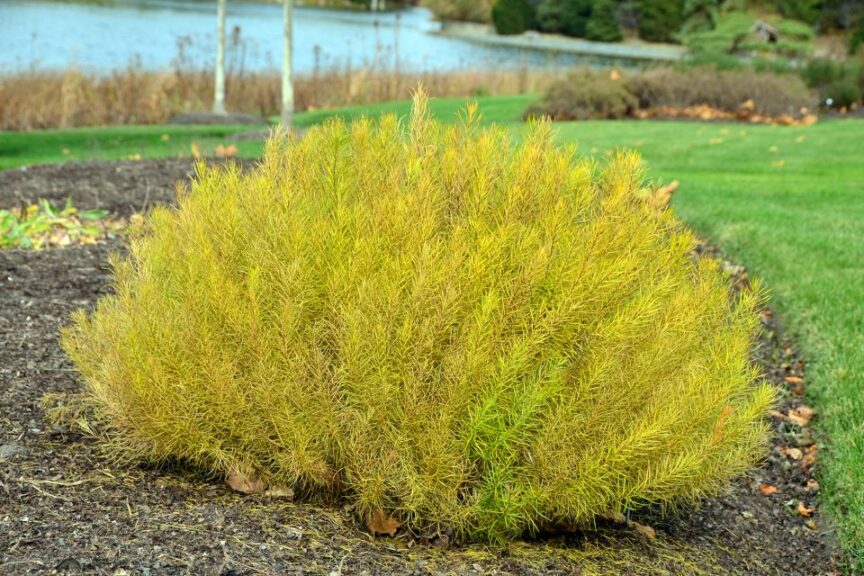
Amsonia var. tenuifolia ‘Verdant Venture’
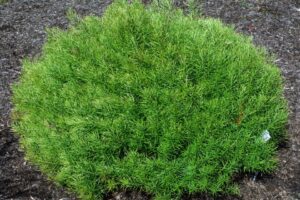
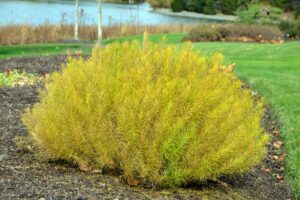
To my knowledge, ‘Verdant Venture’ is the best and most obtainable of the few fringe bluestar cultivars on the market. Its thread-like leaves are borne densely along the stems, giving it a much finer texture than cultivars of other Amsonia species. The leaves are pliable, making them a joy to run your hands through on sunny summer days. Come fall, the vibrant green leaves turn such a brilliant yellow that they rival the highlighters from your middle school days.
Golden Japanese spikenard
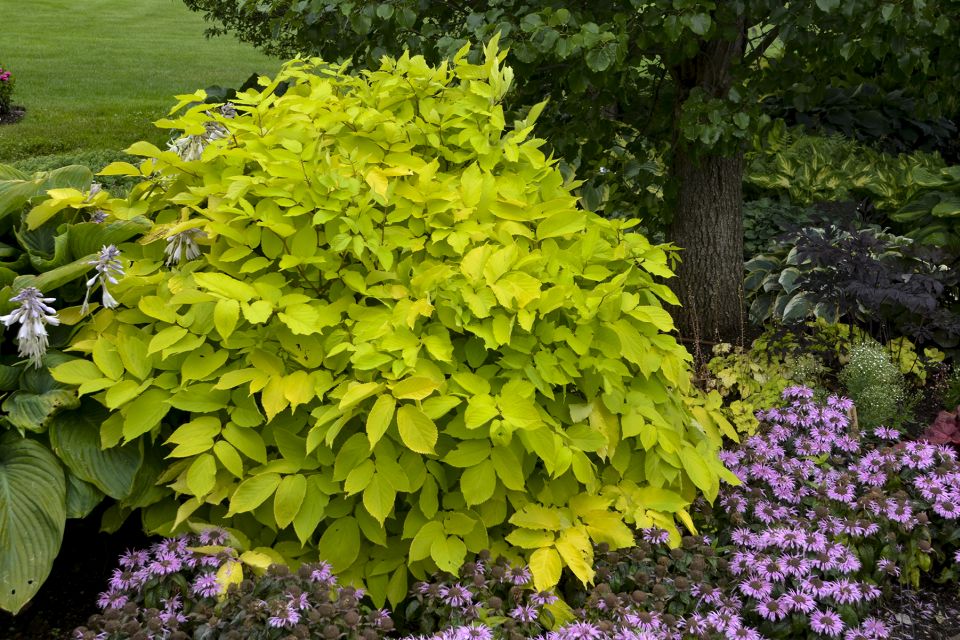
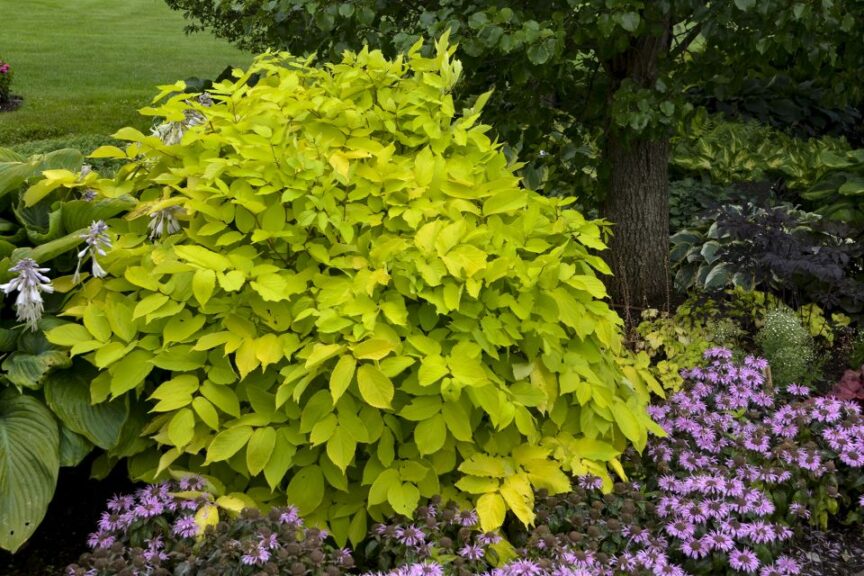
Aralia cordata ‘Sun King’
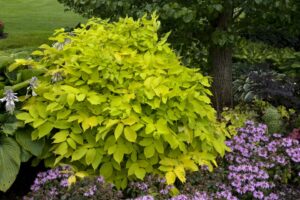
There’s a reason this cultivar was named Perennial Plant of the Year in 2020, and it has little to do with its flowering umbels. This spikenard has golden-yellow leaves with just a few hours of sun per day. In full shade, the leaves turn more chartreuse, which is equally beautiful in my opinion. Each leaflet is several inches long, combining to form compound leaves that measure a few feet in length.
Between its color and size, I can’t blame this cultivar for peacocking as much as it does.
Pigsqueak
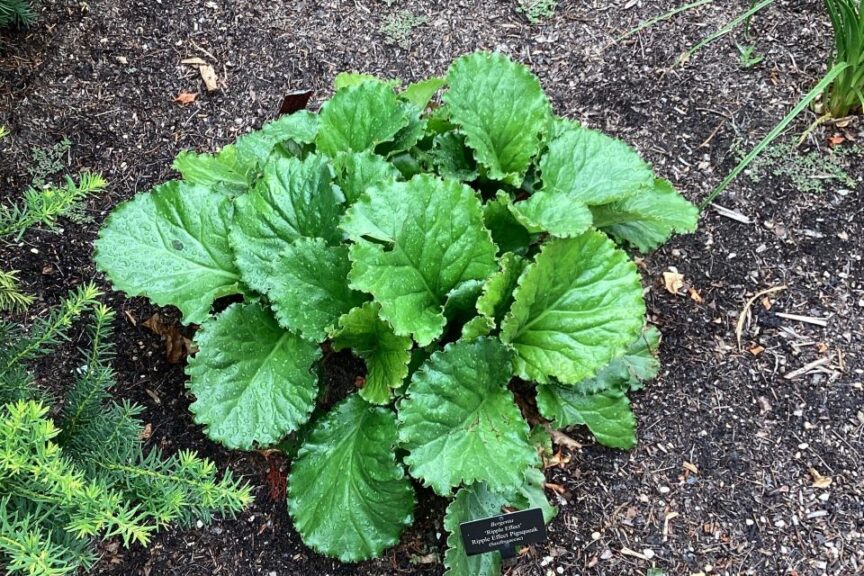
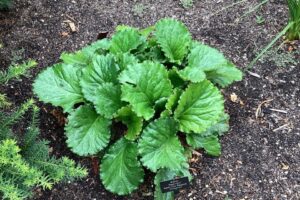
Bergenia hybrid ‘Ripple Effect’
The common name for Bergenia, pigsqueak, comes from the sound made when rubbing the leaves together, meaning the foliage of this genus offers a kind of interaction that flowers do not. This cultivar sports large, round leaves roughly a foot in diameter that should be particularly easy to rub together. The surface is glossy and reasonably smooth until you reach the leaf’s ruffled edges.
That, combined with the serrated margins, gives the foliage an interesting presence.
Coral bells
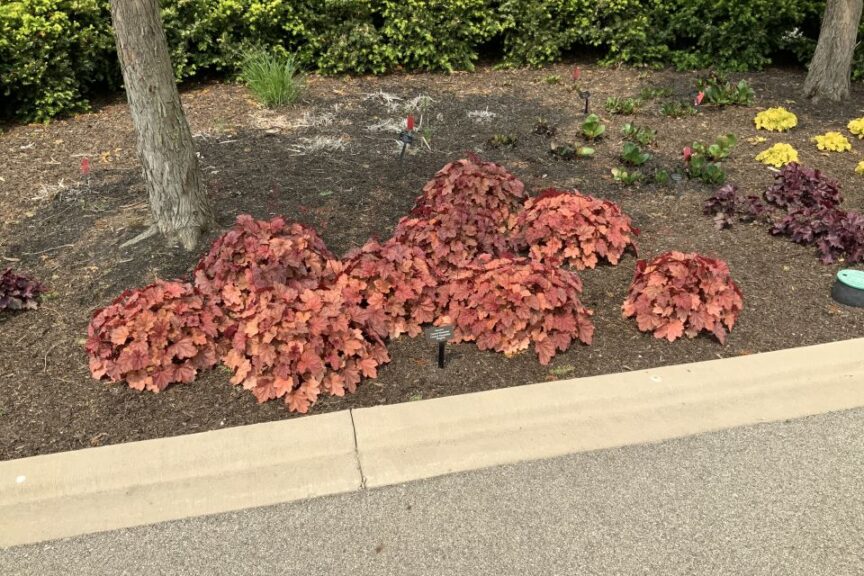
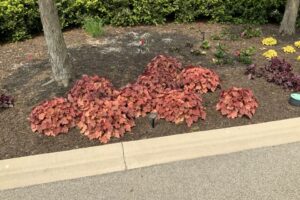
Heuchera x hybrida Carnival Watermelon
For the past decade or two, it has felt like breeders gave up on flowers entirely when developing Heuchera cultivars, focusing instead on releasing a suite of foliage colors. That helps explain why cultivars can be found in nearly every color except blue, although flowers are now becoming part of the breeding focus again in this genus. Carnival Watermelon is a personal favorite because of its darker venation and color transition over the growing season, but many other cultivars within the Carnival series and beyond offer beautiful foliage color as well.
Hosta
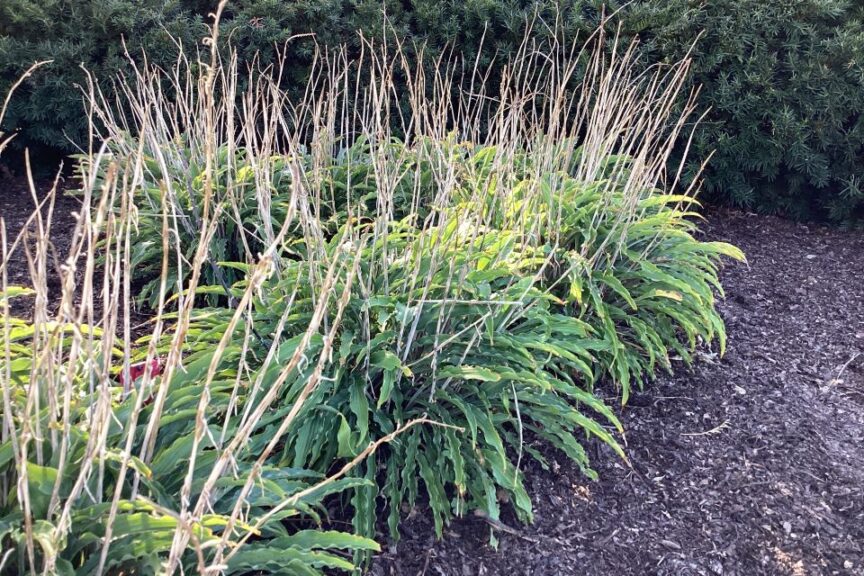
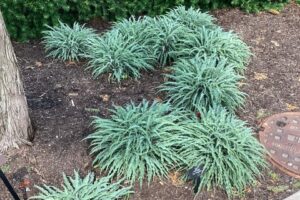
Hosta hybrid ‘Silly String’
This cultivar is so unique that some gardeners may not even realize it is a hosta unless it is in bloom. Its foliage is far narrower than that of most other cultivars, with the added bonus of highly wavy edges. While its flowers are numerous at peak bloom, I almost wish this cultivar would not flower at all, since the dead stems left behind detract from the basal mound of foliage.
Burnet
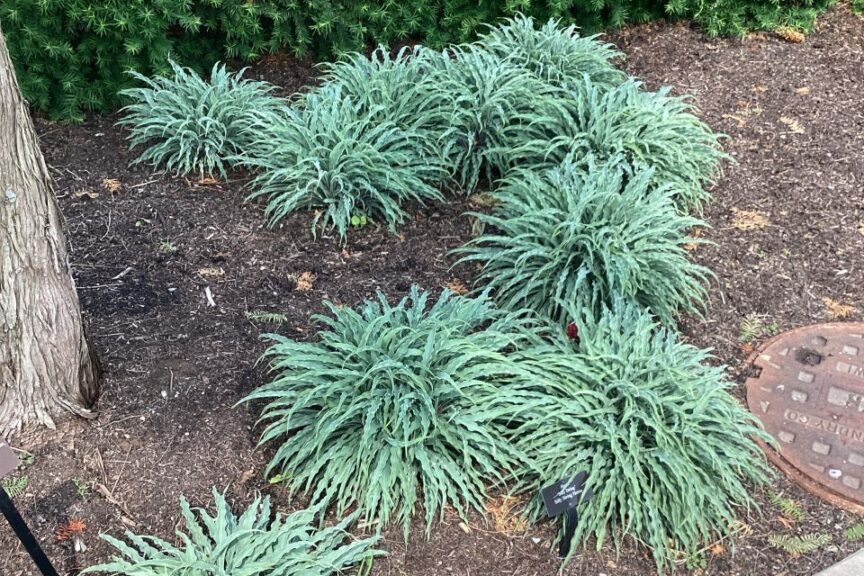
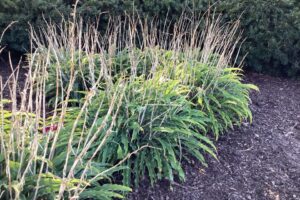
Sanguisorba hybrid ‘Pacific Pewter’
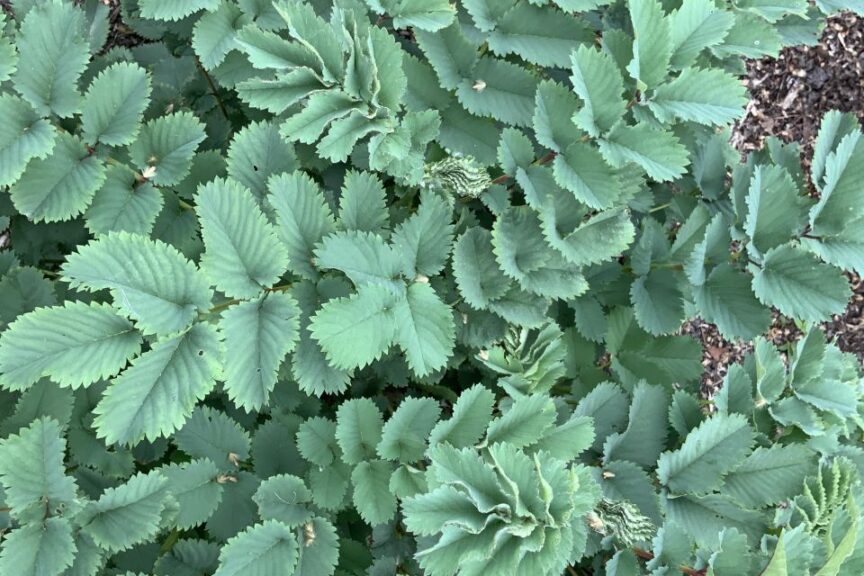
Among the dozens of cultivars in the burnet trial underway in our plant evaluation program, ‘Pacific Pewter’ has the best foliage by far. It is the only cultivar with pronounced glaucous leaves, with others remaining entirely green, occasionally with white or yellow variegation. Because the compound leaves bear many small leaflets, burnets have a substantial amount of collective leaf margin, which is further enhanced by the prominent serration along the edges of each leaflet.
Subscribe to eNewsletter