



Executive Perspective: Optimizing Grower Solutions in Crop Protection
 August 20, 2026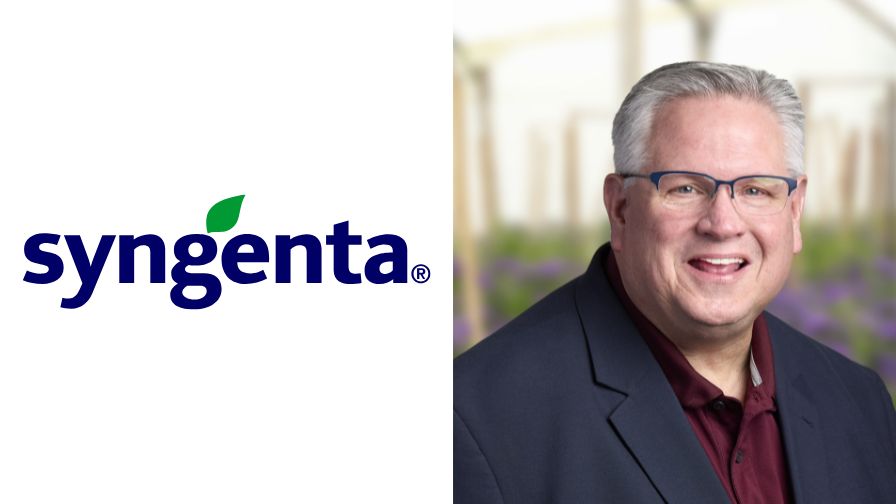
Dave Ravel of Syngenta Professional Solutions. | Syngenta
Dave Ravel is new to the top spot at Syngenta Professional Solutions, but the crop protection business certainly isn’t new to the 30-year industry veteran. At a time when the number of basic chemical manufacturers bringing products to the market continues to decline, we sat down with Ravel to find out how R&D-focused companies can continue to succeed.
Greenhouse Grower (GG): How has this year been for the floriculture market?
Dave Ravel (DR): It seems like the overall industry is very positive.
We’re in that new normal after post-COVID. We had that boom, and now the market’s a little flatter. We’re probably seeing maybe 1 to 2% growth overall.
There are a lot of pressures when it comes to operational costs and labor, and that is putting a squeeze on the growers. Retail pricing is also adding pressure at a time when we are seeing price increases on raw materials and transportation.
GG: Do you see things that can contribute to growth that can take us from low single digits at least to mid-single digits?
DR: I’m not sure how quickly the market’s going to rebound and start growing again, but at Syngenta we always start by listening to our customers. And I think you have to study the trends in the marketplace. The younger generations are gardening differently from their parents. For example, when I visit garden store retailers, I often see the pre-programmed pots with all of the plants already in them.
At the same time, there’s so much development in automation, and that can help growers control costs. We’re also working beyond traditional chemistry with tools like Spiio™ GCX soil sensors, which measure moisture and soil temperature. We also have OptiScout™ technology that will be launching early in 2027, which is a digital scouting tool that will help growers quickly review a sticky trap. The application will tell them how many thrips or mites are on the trap so they can make decisions quicker. It will also provide growers an opportunity to keep detailed records of the findings so they can focus attention and resources on the areas that require treatment. These are the kinds of solutions that can help remove costs and help our customers be more productive and encourage growth.
GG: We’ve seen a lot of consolidation throughout this industry. Is it done?
DR: If you look at the manufacturing side, there’s only a few of us left that are investing in R&D and true innovation, bringing new active ingredients (AIs) to market. We’ve been very fortunate this past year to launch two new AIs. Two new active ingredients are quite an accomplishment.
For growers, as the consolidation continues and there are fewer choices in the market and possibly less innovation, they need to make sure that they look at who they partner with and who’s going to continue to bring them new active ingredient innovation. The pest pressure and regulatory environments are always changing, and supporting companies focused on innovation and new solutions will be a win-win for everyone.
GG: You mentioned Syngenta has two new AIs. What should growers expect at this point in terms of new products coming to the market?
DR: At Syngenta, we are happy to report that our pipeline is full. This past year, we introduced Vykenda® miticide/insecticide, which is powered by PLINAZOLIN® technology, a unique AI and mode of action, to control a wide spectrum of insects. We also launched Trefinti® nematicide/fungicide, powered by TYMIRIUM® technology, to control nematodes and soil-borne diseases in high-value crops.
Our research and development work does not stop there, as we are actively working on biologicals and biostimulants. We’re going to be launching two new biofungicides next year and are excited to enter that space to offer growers more integrated solutions.
There are only a few of us that are really, truly innovating and developing new AIs. This work is costly, but our focus is to bring one new AI to market every year. This is an investment of more than $300 million per active ingredient. We are fully committed to the innovation cycle and fully invested in bringing new solutions to growers.
GG: Over the past 15 years, Syngenta has looked to serve customers outside of just selling chemicals. In this market, you expanded into plant genetics when you bought Goldsmith Seeds and growth media via the Fafard deal, and you had Syngenta Horticultural Services. Will you continue focusing on providing value beyond what’s in the jug?
DR: It goes back to what we’re focused on — listening to our customers and focusing on their issues and opportunities, and ultimately what they’re looking for. Chemistry is our lifeblood and what we’re really focused on.
But when we talk about growers and we focus on their actual needs, that’s when you hear about the labor stresses and some of the other problems that they’re focused on. And that’s why we’ve been intentionally looking at what we can do besides just those basic chemicals — like Spiio GCX or OptiScout. We’re really excited about OptiScout. When you talk to growers, one of their biggest costs is labor. We’re not saying they should eliminate their scouts, but this technology will make scouting a lot easier for them and help save time so they can get more done.
GG: If you could offer growers one piece of advice heading into 2027 that you think would help them out, what would it be?
DR: I wish I had the magic answer. But again, I think it’s really listening to your customers, watching the trends, and understanding what their needs are. If you’re a small greenhouse retailer, turn yourself into a destination. Be more than just a place to come get your plants. Offer workshops and events and innovate that way. Growers really need to key in on consumers and listen closely because what they want is rapidly changing.
GG: You talk about listening to the customers. So, when you talk about learning about the growers’ needs, where does Syngenta succeed? And where is the most room for opportunity or room for improvement for the company?
DR: The easiest part for us is when there’s a new pest pressure in the market. That’s our strong point. We can quickly get the whole R&D team and technical team together to identify an issue, start working on a solution, and move forward. That’s where we’re best.
And then you bring in some technologies and partner with some specialized companies to host trainings. For example, we’ve done some application training in various parts of the country. We believe we have the best products, but if they’re not applied correctly with the right spray nozzle at the right rate, they aren’t going to perform at the level people expect.
Ultimately, we want to make sure that Syngenta is valued for more than just our products by helping growers with their operations. We want to ensure that the growers’ investment in our products produces the results they are looking for. This is when we all win.

Executive Perspectives is an editorial series in which Greenhouse Grower visits with leaders from across the industry to learn the challenges they see facing growers from their respective part of the business and their recommendations to help growers succeed. This interview has been edited for style, length, and clarity.
Bob West is the Chief Content Officer at Meister Media Worldwide, the publisher of Greenhouse Grower. He can be reached at 440-602-9129 or [email protected].
Subscribe to eNewsletter