Renaissance BioScience Named ‘Crop Protection Solution of the Year’
September 26, 2024
Basin, derived from modified spider venom, targets a range of destructive crop pests including aphids, mites, and whiteflies.
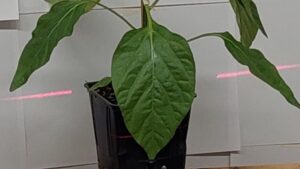
Joseph Peller, greenhouse technology researcher, notes that a laser sounds futuristic, but it can be used very well in a practical way.
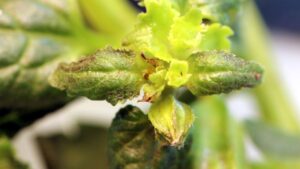
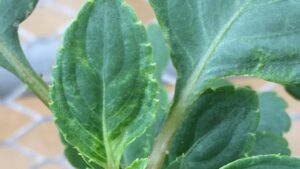
Broad mites can be a regular occurrence in spring crops, especially Reiger begonias and New Guinea impatiens.
Ensuring your crops are protected from propagation to shipping is essential, and a proven agronomic program can help set you up for a successful season.
American Floral Endowment is presenting a webinar on “Preparing for Parvispinus” on Tuesday, Feb. 27, with information presented by Dr. Sarah Jandricic.

Suppliers note that growers are seeking and welcome new, innovative biological control products that are effective and safe.
Growers are using a mix of conventional chemistries and biosolutions to eliminate pests and diseases. With that comes a need for more education.
Growers continue to turn to biocontrols as pests and diseases develop resistance to chemicals.
Here’s a rundown of some commonly used tools used to examine and identify insect pests and disease organisms of greenhouse crops.
MPS-GreenerGrown uses a star system that tells the grower how they can make improvement in reducing the amount of chemical crop protection agents they use.
A recent e-GRO alert offers a photographic guide to viruses found on a wide array of species and can aid in the identification of these problems.
Orange oil is extracted from the peel of oranges through a natural cold pressing method. Companies like Dümmen Orange are using it to reduce the use of chemical crop protection.
Sticky cards are an important tool for early detection of pests and an important component of an effective scouting program.