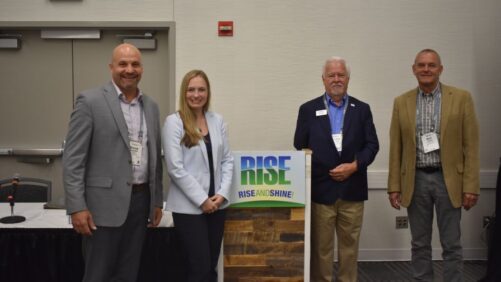
Attendees at the RISE Industry Issues Update discussed the benefits of advocating for the specialty pesticide and fertilizer industry on the local, state, and national level.
By working directly with growers across the country, IR-4 conducts research and develops data necessary for the registration of pest management tools, ensuring that they are safe for use.
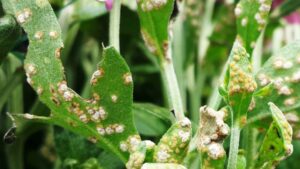
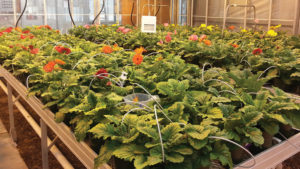
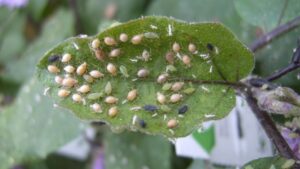
Aphids can be a significant problem in greenhouses because they thrive in almost any environment and can spread quickly, according to an expert with Marrone Bio Innovations.
The specialty crop community is asking Congress to increase appropriations for the IR-4 Project, which facilitates the registration of crop protection products.
RISE has joined more than 350 pesticide user organizations in sending a letter to Congress voicing support for the Federal Insecticide, Fungicide and Rodenticide Act (FIFRA).
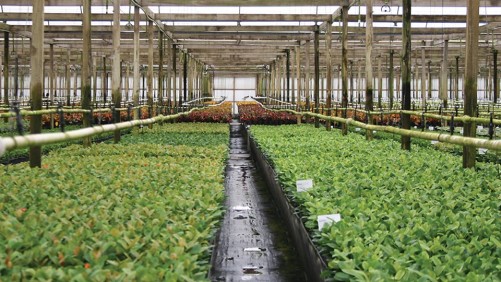
Join crop experts from the University of Massachusetts on Jan. 18, 2022, for a virtual education program that will feature tips for growing young plants and managing pests in spring greenhouse crops.
Liz Dunbar, Product and Marketing Manager for Greenhouse and Nursery at BASF, outlines how the company is helping growers plan ahead for the coming year.
The best strategies for pest scouting, according to growers from across the industry, include starting early, staying consistent, and getting your whole team involved.