While far-red lighting may help with the flow of sugars within the plant, research by Signify indicates mixed results overall and extra energy likely outweighing production increases.
Research and practice have already shown that it can be beneficial for both plant development and energy bills to treat light as a dynamic growth factor.
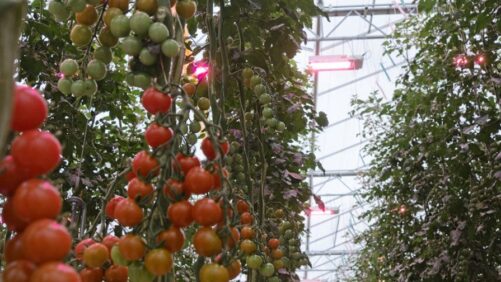
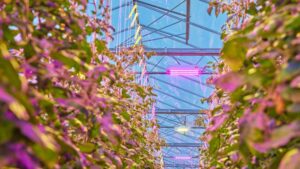
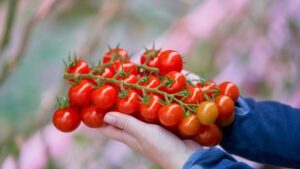
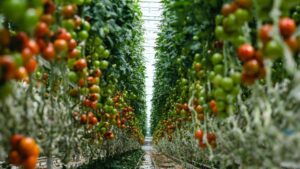
Signify, Wageningen University & Research, and Nunhems recently conducted research that shows that the use of far-red light can produce an additional yield of almost one fifth in some tomato varieties.
Members of the Resource Innovation Institute explore the various lighting metrics essential for greenhouse production and their impact on the growth and development of your crops.
According to one lighting company, since LEDs produce less radiant heat, growers can apply much higher levels of light, achieving high yields without stressing the plants.
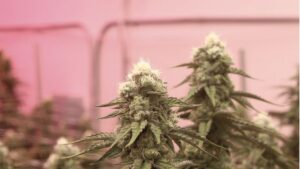
Photobleaching, or the destruction of chlorophyll by applying too much of the wrong light to plants during flower development, can drastically reduce consumer marketability.
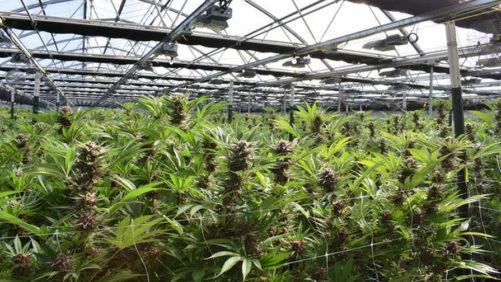
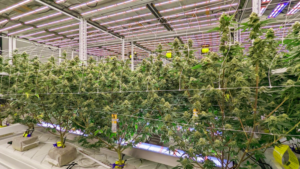
Cannabis is a crop with a uniquely dark sub-canopy and tight crop spacing that presents ideal conditions for using LEDs in a narrow body with an upward-facing form factor.
Greenhouse growers that are new to the industry, or those that are interested in brushing up on their knowledge, can sign up for four courses in the Online College of Knowledge greenhouse series.
Despite some roadblocks, rising energy costs and the potential for a rapid return on investment are leading more growers to consider switching to LED lighting.