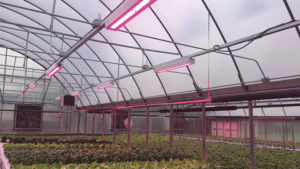
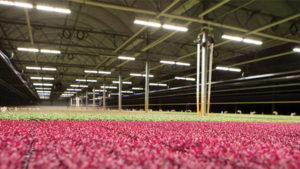
The final module of the Plant Lighting Short Course will highlight the latest developments in control systems used to reduce energy consumption while providing optimum lighting conditions.
Learn how Greenhouse Grower’s 2021 Technology of the Year Award winner is helping growers increase profitability by optimizing their energy use while taking advantage of utility rebates.
The fifth module of the Plant Lighting Short Course will compare the installation and operating costs of crop lighting systems and how to calculate the ROI.
The third module of the Plant Lighting Short Course will cover the pros and cons of different light spectra for supplemental lighting, and achieving good light uniformity.
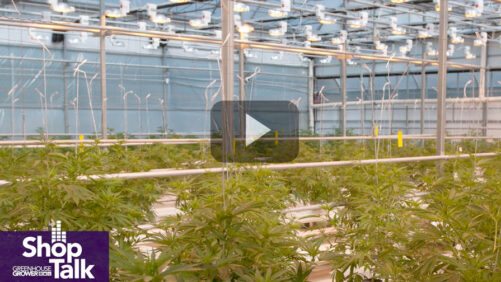
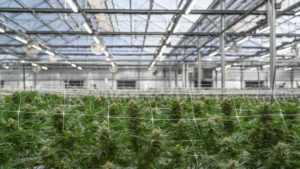
A recent report from Fluence highlights the rise in LED adoption in cannabis production as growers realize the benefits of LED lighting strategies at each stage of plant production.
The second module of the Plant Lighting Short Course will show you how to assess location-specific lighting conditions and determine the lighting environment inside your facility.
The Plant Lighting Short Course kicks off this week with an overview of the ins and outs of crop lighting. Here’s a closer look at what to expect, and why you should sign up.
The online course is design to provide greenhouse growers with an opportunity to learn about all the aspects related to the selection, implementation, and benefits of plant lighting systems.
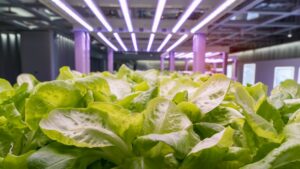
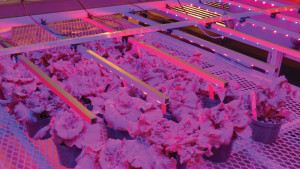
In an upcoming webinar, Michigan State University’s Erik Runkle will focus on the effects of the photon flux density and spectrum at regulating lettuce when grown hydroponically in vertical layers.
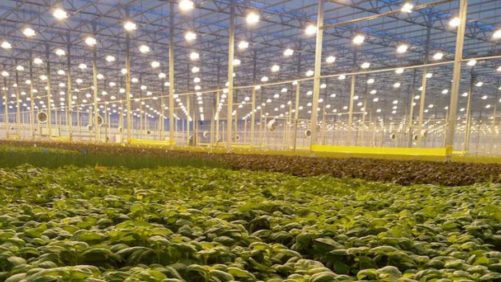
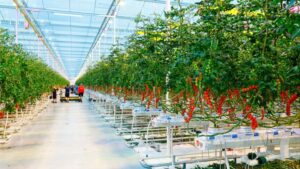
In partnership with leading scientific research institutions around the world, Fluence recently explored broad-spectrum white light performance in select greenhouse vegetables and cannabis.