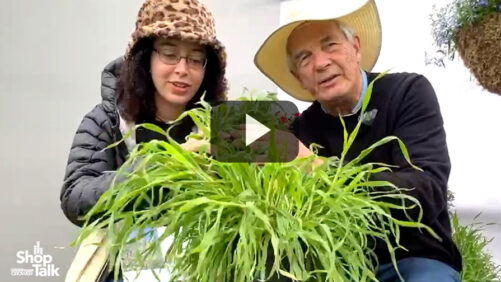
Learn how this family business with more than 60 employees recognizes both the beauty and benefits of ornamental and native grasses.
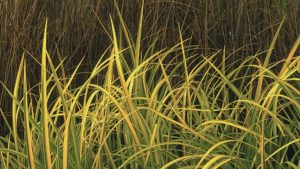
In his latest column, Allan Armitage highlights why ornamental grasses can be mainstays of the garden and landscape throughout the year.
While spring is the star season for plant sales, fall grasses also present unique growth opportunities. Here’s how you can capitalize on them.
The latest edition features a “Fresh Picks” section that highlights all newcomers to the company’s lineup, including new perennials, ornamental grasses, and succulents.
There are ways you can capitalize on opportunities to supply ornamental grasses and native plants for eco projects.
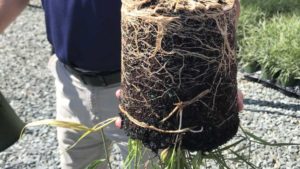
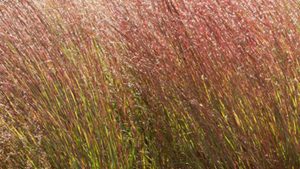
Try these scheduling and finishing tips for growing top-notch, warm-season switchgrasses.
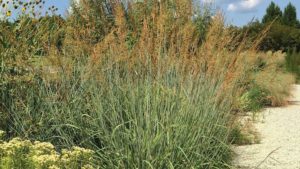
Ornamental grasses can add a bit of late-season magic to any garden, especially when they reach full-grown stature.
These plants are adapted to change by becoming super efficient with water, nitrogen, and sunlight.
The latest ornamental grasses deliver longer, better blooms with no self-sowing.
Aggressive grass species can turn gardeners off to using ornamental grasses. Less fertile alternatives offer options for keeping grasses from taking over the garden.
I don’t expect my friends to know the difference between switchgrass and grama grass, yet I always try to do my best to enhance the visibility of these grasses.

Grasses and sedges provide food, shelter, and support for pollinators and the birds and mammals that keep insect populations in balance.
Offering a selection of ornamental grasses that cater to customer needs will keep sales from stagnating.