



New Directions in Plant Labeling and Packaging
 January 13, 2026
 Plant packaging and labeling are changing fast as consumers demand more information, sustainable materials, and better results at home with their new plants. We spoke with industry experts about what they’re doing now and what’s next.
Giving Consumers More Information
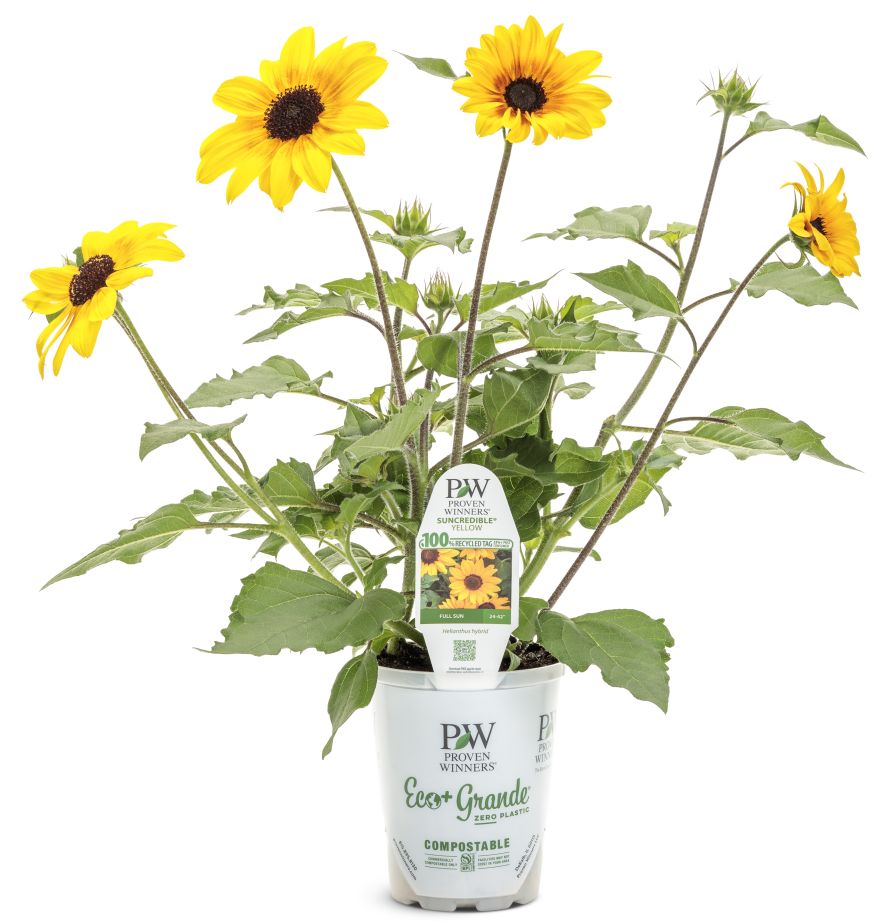
Helianthus Suncredible Yellow improved in Proven Winners Eco+ Container. | Proven Winners
We are all consumers of something, and most of us prefer more information rather than less. It’s the same for plants. Consumers are asking for more guidance, whether on light needs, hardiness, or even which plants pair well together.
“Especially with houseplants, people absolutely want the scientific name, and they want to get into the science of it. People are buying light meters. They’re buying humidity meters. They’re really going all in on it,” says Kate Spirgen, Marketing Communications Manager at Proven Winners. “In terms of outdoor plants, I’m not seeing it as much, but people do want the care tips; they want their plants to look as good as they can.”
Proven Winners will be adding logos and banners to its tags to identify “plant of the year” selections in each category, such as the Plant of the Year or Shrub of the Year. Spirgen says plants that have won trial garden awards will feature that information on their tags as well. “We’re going to have award winner banners on those so folks can see the range of awards the variety received.”

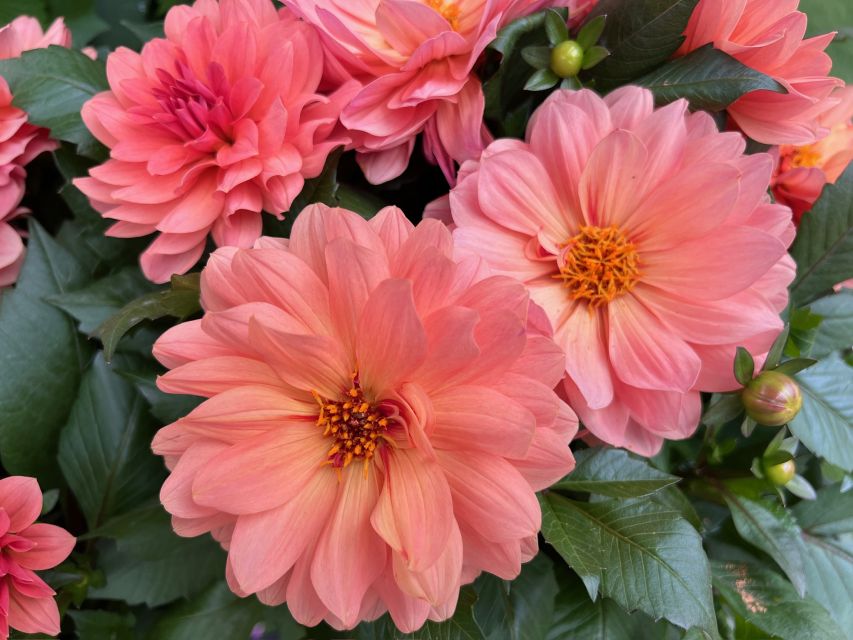
Coming soon, Proven Winners will also display vigor ratings so consumers can see which plants play well together in a container. The goal is to help shoppers plan combinations and avoid situations where one plant overtops another and shades it out. Selecting plants with similar vigor ratings should result in a more balanced look.
More QR Codes

100% recycled tags with awards and QR codes. | Proven Winners
QR codes put virtually unlimited information in consumers’ hands. With a smartphone, shoppers can scan a code to access content that would never fit on a label, regardless of size. “We are always evaluating how we can get more information to the consumer,” says Justin Hancock, Director, Research & Development and Horticultural Content at Costa Farms. “With QR codes, we can provide endless information, whereas with the label, we are so hamstrung.”
While experienced gardeners can interpret directions like full sun, even moisture, and well-drained soil, beginners may need more explanation of what those terms mean. It’s difficult to fit that on a tag. “Communicating on a website is much easier than on the tag. We can support the brand, give the plant care information, and provide sustainability messaging,” Hancock says.
Proven Winners also uses QR codes across annuals, perennials, shrubs, and caladiums. For its leafjoy houseplant line, the codes include an extra feature. “People can use the code and find these fun, cute, animated care instructions,” says Spirgen. “It links to our YouTube channel, where consumers can find out more about the specific plant they bought and its needs for light, water, and fertilizer.”
QR codes can also provide support to garden center staff. Customers can get answers straight from the grower, or employees can scan and walk shoppers through care steps in real time.
Sustainability

HIP Labels developed a plant tag for stake or hanging use that is soil biodegradable and tested to ASTM D5988 standards. | HIP Labels, LLC
Tags that Biodegrade
Consumers are asking for more environmentally friendly packaging, pots, tags, and for less plastic overall. It’s a growing trend, and industry players are responding. For many companies, it’s not only about meeting consumers’ demand, but also staying ahead of increasingly stringent retailer mandates and emerging regulations.
Bob Lovejoy, President of HIP Labels, whose new BioTag debuted at Cultivate’25, describes what he sees as the direction of the market. “It’s really customer-driven. Our customers are in the green industry. They have been looking for a product that helps consumers get away from plastic. Reusing or recycling is completely different from soil biodegradation. Soil biodegradation is the gold standard everybody wants to get to.”
Working with Kelvin Okamoto at Green Bottom Line, HIP Labels developed a plant tag for stake or hanging use that is soil biodegradable and tested to ASTM D5988 standards. “There are several plastics on the market that break down into microparticles, but the microplastics remain in the soil,” says Lovejoy. “With ours, the microplastic also soil biodegrades and fully breaks down to carbon dioxide, water, and inorganic minerals.”
Okamoto notes that developing and testing these materials required many iterations. “There is a cost constraint associated because these materials are not inexpensive compared to standard polyethylene, and materials for many use cases need to be developed. Companies have to be willing to spend the time, effort, and money.” The balance between effective biodegradation and an appropriate functional lifespan requires engineering and testing. HIP Labels had been developing its BioTag product for more than two years before introducing it last July.
Labels vs. Tags
If you’ve been at a garden center and found a gerbera daisy tag stuffed into a dahlia pot, it may have been a customer who did it, not the grower. When someone pulls a tag out to read it, does it always go back into the same pot? It’s one of several reasons Hancock says Costa Farms is shifting from tags to self-adhesive labels.
“One of the things that we’re doing, both from a sustainability and an operational standpoint, is continuing to change as much as we can from tags to labels,” Hancock says. “It’s one less piece of plastic. We’re doing labels as much as we can.” He adds that Costa Farms has tested multiple materials and vendors to ensure the labels can withstand greenhouse and garden center conditions, while still being easy to remove if consumers want to take them off.
Make It Easier to Be Successful
Self-watering Containers
To help consumers succeed with their premium houseplants, Costa Farms is offering a line of plants in self-watering pots. “We are really focusing on our self-watering system to make it easy for the retailer and for the consumer,” says Hancock. A small window shows how much water is in the reservoir, and a wick draws water up into the growing medium. By adding water directly to the reservoir, watering frequency becomes less critical.
Hancock says the self-watering pots can help retailers extend shelf life, because employees do not need to monitor watering as closely. The system provides the same benefit once the plant goes home. A new style in development features a twist-and-lift mechanism to make accessing the reservoir even easier.
No Time, No Problem
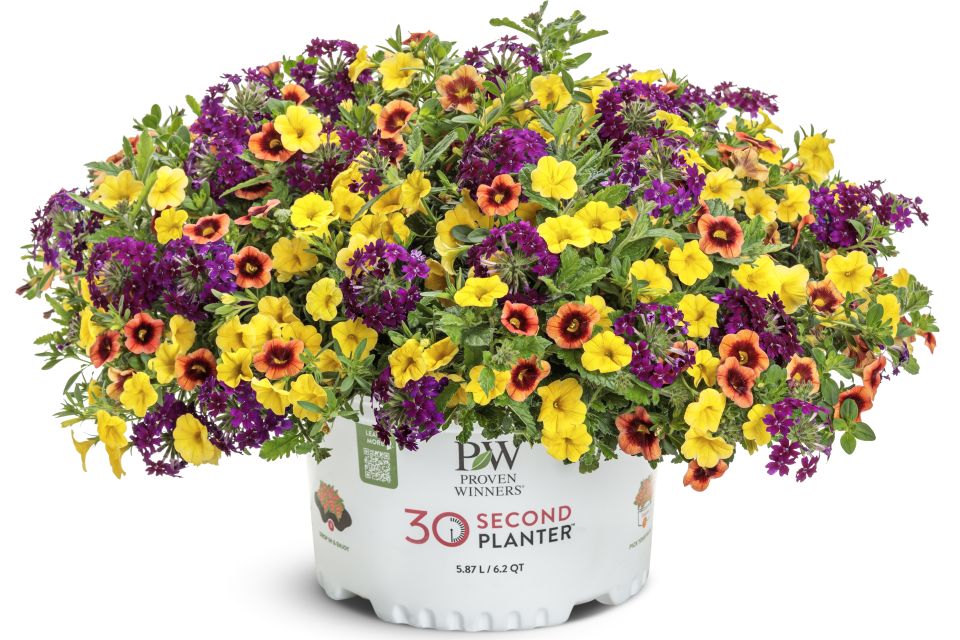
Hot Spiced Wine 30-Second Planter. | Proven Winners
To help growers, retailers, and consumers who are short on time or experience, Proven Winners’ new 30-Second Planter combines several plants from one of its tested container recipes into a single pot. Think of the pre-planted hanging baskets common at garden centers, but designed for patio containers or in-ground beds. The planters are “10-inch pre-planted container recipes that take the guesswork out of pairing compatible plants.”
“We talk about how some people are diggers who love gardening, and some are decorators who don’t want to deal with it and simply want to enjoy the pretty flowers,” says Spirgen. The 30-Second Planter includes young plants already installed in potting mix and can be dropped into a decorative container or replanted in the ground. It’s a simple way to help consumers succeed while providing an attractive, ready-to-sell display for retailers.
Subscribe to eNewsletter