




Give your plants the microbial advantage with biofungicides
Microbial biofungicides, part of a good disease management program
In greenhouses and outdoor ornamentals production, it is important to get crops off to a good, strong start for vigorous growth and production all season. Whether you’re new to microbial biofungicides, or relatively familiar with them but are not sure how to get consistent results against foliar and soil-borne plant diseases with them, they can be effective and important tools in your disease management program. In order to see where microbial biofungicides fit, we first must understand how these products work.
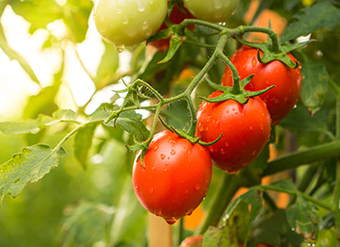
Microbial biofungicides usually work against pathogens via two or more of the following non-toxic modes of action (MOAs): competition for space and nutrients, antagonistic metabolites released against plant pathogens, and hyperparasitism or predation to disable or kill pathogens by feeding on them.
When used as a program partner with synthetic fungicides, biofungicides offer effective protection against plant diseases, and, because they act via two or more MOAs, they can help to prevent or delay the development of resistance to synthetic fungicides.
“We have learned the hard way with insecticide resistance what can happen when we overuse chemistries,” said Matthew Krause, Technical Lead, Covered Crops at Lallemand Plant Care. “Growers can benefit from integrating biofungicides in their conventional or organic disease control programs as they introduce microbes back into the soil (chemistry overuse can kill off beneficial bacteria and fungi) and use two or more MOAs, making it difficult for pathogens to develop resistance.”
The number of biofungicide products available to greenhouse ornamental and greenhouse vegetable crop growers increases every year, and the products and formulations have improved significantly since they were first registered. Krause says the next generation of biofungicides for soil-borne and foliar disease management is here. “Biofungicides are developed from greater experience and improved technologies to support the biology of the plant and defend against soil-borne and foliar diseases to help produce a healthy crop.”
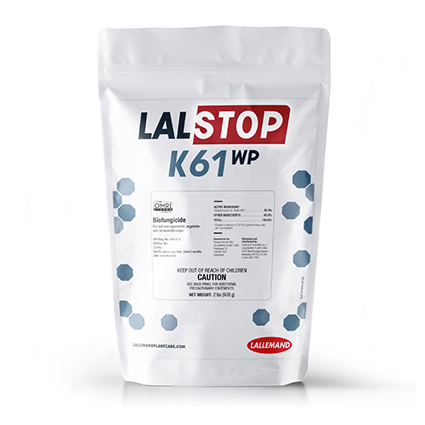
An example is the Lallemand Plant Care product, LALSTOP K61 WP. This biofungicide thrives in the plant’s rhizosphere for several weeks after application and provides effective control against a wide range of pathogens that cause damping-off, wilt and root rot diseases. “LALSTOP K61 WP leaves no toxic residues; you simply apply it to the roots (as a drench or spray) and Streptomyces strain K61, the unique live active ingredient, begins to grow on and around the plant root system. This creates a biological defense against seed and soil-borne pathogens to promote healthy plant growth,” explained Krause.
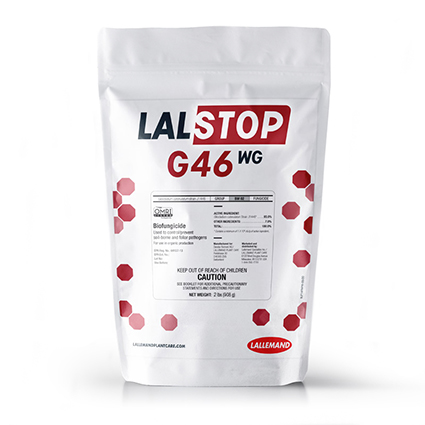
Another biofungicide from Lallemand Plant Care, LALSTOP G46 WG, is based on a specific naturally occurring fungus and controls a range of common plant diseases including grey mold, powdery mildew, gummy stem blight, damping-off and others. “This biofungicide is an easy-to-mix, wettable granule formulation that leaves little or no residue even after multiple applications,” added Krause.
Lallemand has been developing biological solutions since their inception at the beginning of the 20th century. Their global team is committed to ensuring their microbial active ingredients reliably promote plant productivity and soil health.
For more information on microbial biofungicides or Lallemand Plant Care, please visit https://www.lallemandplantcare.com/en/usa/.