



The “Fewer but Better” Houseplant Buyer Is Shopping Online. Here’s What They Need to See
 November 3, 2026
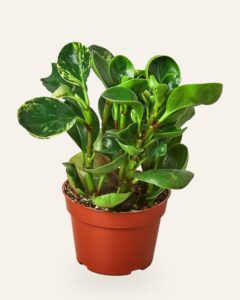
Palma Peperomia Marble; Photo: Palma Botanical
The Floral Marketing Fund research Greenhouse Grower covered in October found that houseplant buyers are purchasing less often but spending more when they do. For growers and retailers, that sounds like good news with a catch. A shopper who buys one $40 plant instead of three $12 ones has higher expectations, and they bring those expectations to every listing they read.
I run a small online plant shop in Los Angeles, and I hear from this buyers every week. Here is what they look for, and what I think anyone selling plants online, including growers who sell direct or supply e-commerce retailers, can do about it.
They Want Honest Care Levels, Not “Easy” on Everything
When someone buys fewer plants, losing one hurts more. That buyer reads care information closely, and they notice when every plant on a site is labeled “easy” or “low light.”
The fix is to describe care for the room the plant will actually live in. A snake plant tolerates a dim hallway. A fiddle leaf fig does not, and saying so up front may cost a sale today but saves a refund and a bad review next month. Simple, specific notes work better than ratings. “Let the top two inches of soil dry out” is more useful than “moderate water.” “Bright window, no direct afternoon sun” is more useful than “medium light.”
Seasonal notes matter too. Most winter plant trouble isn’t the plant. It’s a summer watering schedule running in December. A line about slowing down watering in winter answers a question the buyer hasn’t asked yet.
They Want to Know Exactly What Size Arrives
“Small,” “medium,” and “large” mean nothing to someone looking at a phone screen. This buyer wants the pot size and an approximate height, and ideally a photo next to something familiar, like a hand or a standard pot.
Size is one of the first things an unhappy online plant customer brings up, and it matters more as prices go up. A shopper who pays more expects more plant, so being clear about what a 4-inch pot looks like protects the relationship.
They Want Real Photos
Styled photos have their place, but the higher-spending buyer also wants to see what the plant looks like as it ships, including leaf variation. Variegated plants are the obvious case, because no two look the same. Showing a realistic range, or a note that patterns vary, heads off the “this isn’t what I ordered” email.
Inspection Before Shipping Matters More at Higher Prices
A cheap plant with fungus gnats is an annoyance. An expensive plant with mealybugs that spread to the rest of a customer’s collection is a lost customer.
Checking every plant for pests before it ships, looking under leaves, along stems and at the soil line, is basic, but it becomes a real selling point for a buyer making fewer, bigger purchases. It’s also worth saying plainly on the listing. Buyers can’t see your process, so tell them what you check.
Packaging is part of this too. A plant that arrives watered, secured in its pot, and protected from cold is the difference between a repeat customer and a one-time one.
Bundles and Gift Boxes Fit a Buyer Who Shops Less Often
If customers are coming back less frequently, each visit has to do more. Bundles answer that well. A small set of plants matched to one condition, such as a few pet-safe plants or three that handle low light, gives the buyer a complete solution in one purchase and makes the higher order value feel earned.
Gift boxes work the same way. A plant gift is often bought by someone who doesn’t keep plants themselves, so a clear care card in the box does as much for the next sale as the plant does.
What This Means for Growers
The online buyer’s expectations flow upstream. Retailers selling to this customer need consistent finished sizes for each pot size, reliable pest-free stock, and accurate variety names, because every one of those shows up in a review. An online retailer can’t photograph and measure every plant, so a grower whose 4-inch or 6-inch material looks the same week after week makes honest listings possible.
Care information is the other opportunity. Growers already know which varieties tolerate low light, which are pet-safe, and which struggle in dry winter air. Passing that along in plain language, on tags or in product data shared with retail partners, gives online sellers exactly what this buyer is asking for.
Fewer purchases doesn’t have to mean a smaller market. It means each plant has to be the right plant for the room it’s going into, and the listing has to say so honestly.
Subscribe to eNewsletter