



New Consumer Study Reveals Changes in Houseplant Purchasing Trends
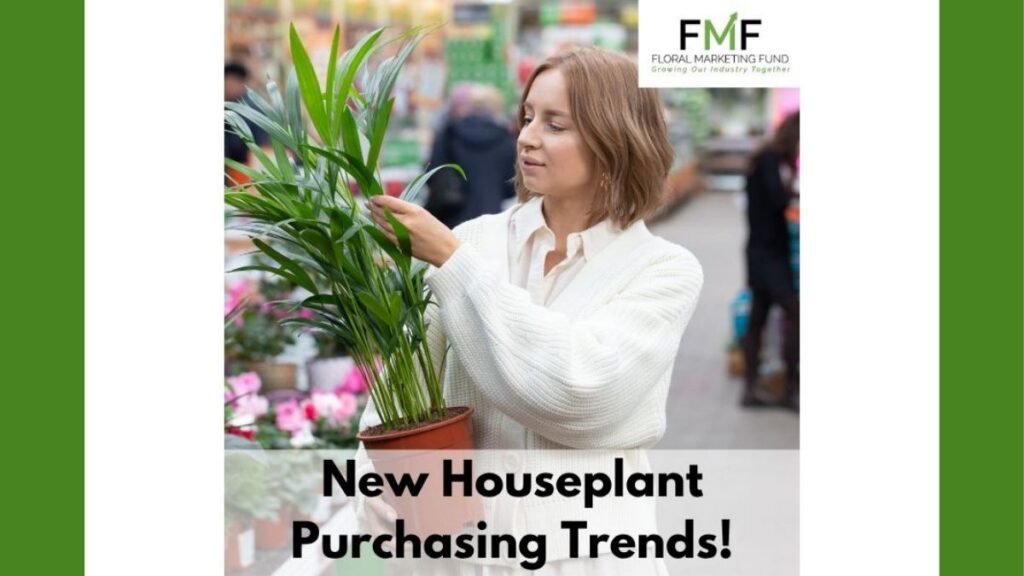
The 2025 Consumer Houseplant Purchasing Report. | Floral Marketing Fund
Are consumers still buying houseplants like they were during the pandemic? New research from the Floral Marketing Fund (FMF) takes a closer look at how the houseplant market has evolved, revealing that while consumers may be purchasing less frequently, they are owning more plants and spending more across comparable houseplant categories.
The newly released Consumer Houseplant Purchasing Report 2025 is the third installment of a multi-year research initiative examining consumer purchasing habits before, during, and after the COVID-19 pandemic. Building on studies conducted in 2019 and 2021, the latest research offers valuable insights into how consumer preferences have changed, which trends have continued, and where opportunities exist for growers, retailers, and other floral industry businesses.
This research was coordinated by the FMF and made possible through the support of co-sponsors Bell Nursery, Costa Farms, Metrolina Greenhouses, and the Demaree Family Floriculture Advancement Fund.
Conducted by Dr. Melinda Knuth of North Carolina State University, Dr. Hayk Khachatryan of the University of Florida, and Drs. Charlie Hall and Marco Palma of Texas A&M University, the national study examines houseplant ownership, purchasing frequency, spending, pricing expectations, retail preferences, social media influence, gifting habits, and consumer perceptions of well-being.
What Did the Research Find?
The results show that houseplants remain an important part of consumers’ homes and purchasing habits, while also identifying opportunities to reach new customers.
Some key findings include:
- Consumers are buying less frequently but spending more. Compared to 2019 and 2021, houseplant purchasers surveyed in 2025 owned more plants and reported higher spending across comparable houseplant categories, despite purchasing less frequently. Consumers also anticipated increasing their spending across all 10 plant categories studied in 2026.
- Houseplants continue to make people happy. Nearly all purchasers (96.6%) agreed to some extent that houseplants make them feel happier, including 80.6% who agreed or strongly agreed. These findings reinforce the connection consumers make between houseplant ownership and their personal well-being.
- Today’s non-purchasers could be tomorrow’s customers. Although they are not currently buying houseplants, 77% of surveyed non-purchasers indicated they would or might consider purchasing one in the future. Common barriers included concerns about pets, keeping plants alive, and spending priorities.
The study also found that social media continues to influence purchasing decisions, with 73% of houseplant purchasers reporting having purchased from a houseplant business after viewing its social media content.
Understanding Houseplant Trends Over Time
What makes this research particularly valuable is its comparison of consumer behavior across three distinct periods:
- Pre-pandemic (2019)
- Pandemic-era (2021)
- Post-pandemic (2025)
The findings provide a clearer picture of how consumer interest has evolved, including changes in purchasing frequency, spending, pricing expectations, and gifting habits. For example, consumers surveyed in 2025 were more likely than those surveyed in 2019 to consider houseplants appropriate gifts for a variety of occasions, including get-well wishes, thank-you gifts, and personal enjoyment.
To learn more, download the Consumer Houseplant Purchasing Report 2025 here.
Subscribe to eNewsletter