



How Breeders Beautify Our World (Part 2)
 January 22, 2025
 Whether it’s through the use of molecular genetics and DNA markers or good old-fashioned experience and collaboration, the next generation of plant breeders is thoughtfully revolutionizing the industry. With the help of new databases and recordkeeping software, they are tackling the hot topics and adapting their work to changing weather patterns, sustainability, and consumers’ ever-changing needs. And gardens around the world are seeing the exciting results.
Keeping Relevant
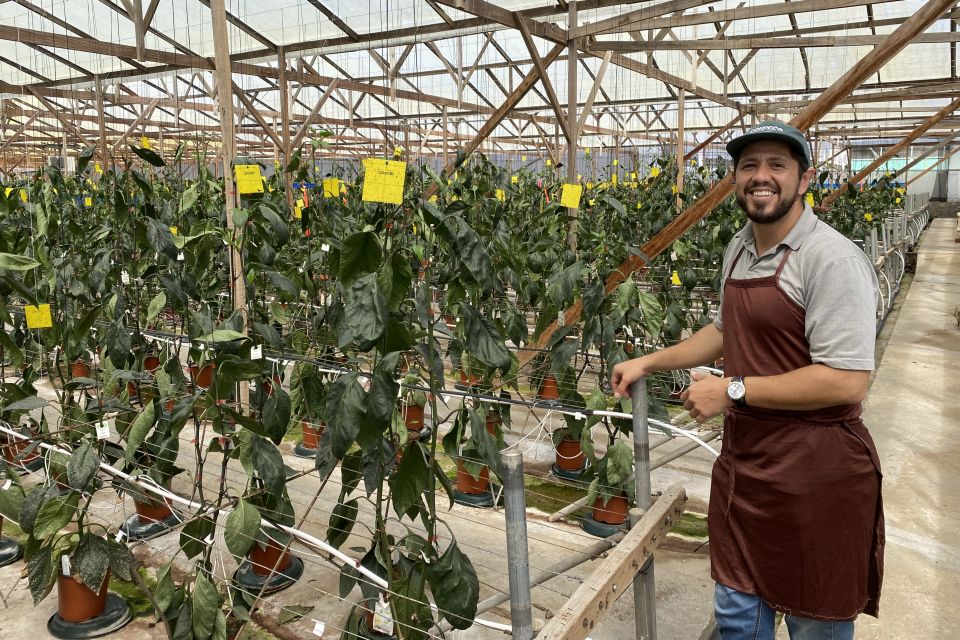
German Chaves | Ball Horticultural Company
Ball Plant Breeder German Chaves, located in Costa Rica, says ornamental plant breeders are always thinking about what would bring the most excitement to people when they visit a garden.
“The truth is that each person has their own tastes and enjoys plants in different ways: colors, shapes, textures, etc.,” says Chaves. “In the search for these products, you see the work that has been done by the previous generation of plant breeders and think ‘Wow, they were really good at what they did; how will I find that product that has a similar or bigger impact in the floriculture market?’ I think part of the answer is in understanding new trends set by consumers that involve change in landscapes (from big to small); climate; and durable plants that perform well under a low-maintenance scheme; and sustainability, where the plants have an impact in more than one of its three core concepts (environmental, social, and economic).
Chaves offers these types of projects that breeders are now working on versus their predecessors:
- Disease resistance
- Software that analyzes, stores, and shares data in seconds
- Biotechnology
- Sustainability considerations
- Producibility using automation
Breeding Is Different Today
“The main change that I have seen is the record keeping, storing, sharing, and analyzing data in software designed specifically for plant breeding. This allows the breeder to simplify and streamline these processes that were more time-consuming in the past.”
It Takes a Team
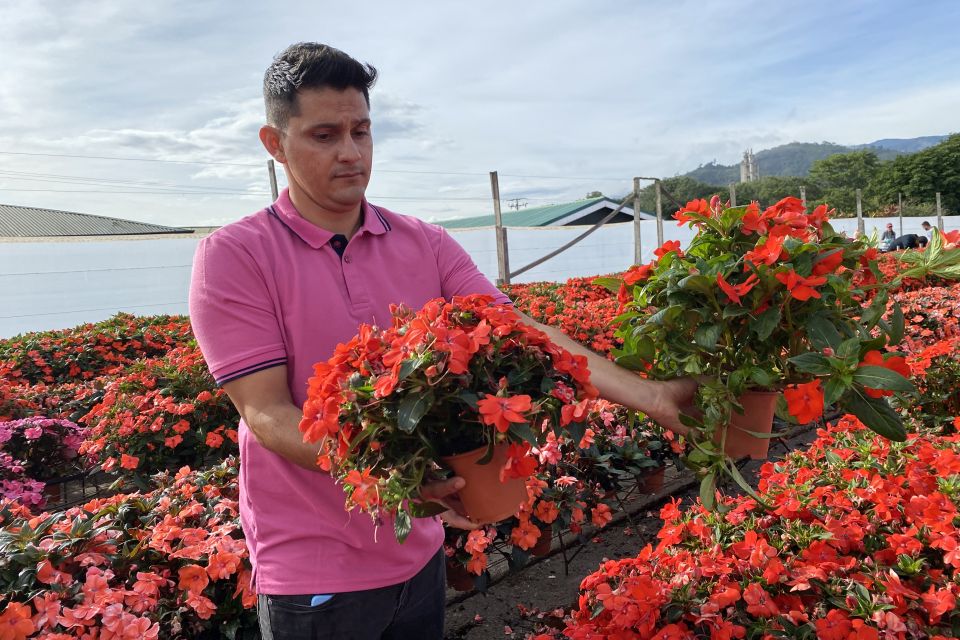
Edison Quiros | Ball Horticultural Company
Ockert Greyvenstein, Regional Breeding Director at Ball Horticultural Company, is located in Elburn, IL. He says, “In the not-so-distant past, breeders almost operated as independent consultants within our organization working across functions like production and product management to bring products to the market. Although bringing products to the market has always been a team effort, the teams and relationships between teams are getting larger and more complex. Breeders now have to work even better within larger cross-functional teams than before. This has changed from the breeder-technician support level all the way to working with advanced technologies and being part of crop commercialization teams. Our future generation of breeders will have to flourish in this greater team environment.
“Fundamental genetic principles have not changed. What have changed are the tools breeders have at their disposal to bring solutions to our customers. This means our future breeders will have more tools to do some things faster or easier than before, or in some cases, do things never possible before. Imagine accomplishing flower counts with drones to make wider interspecific crosses. It will be important to test ideas well and not constantly run after the shiny new tool or technique. Our breeders will have to be wise about what new tools or techniques they want to invest their time and resources in.”
Making a Difference
“Our new-generation plant breeders are working on the next generation of products we will be selling. Many of these are a first of their kind, which includes new product forms. For example, ‘Solarscape’ interspecific impatiens is a class that Plant Breeder Edison Quiros is working on under the guidance of Senior Breeder Mario Guillen. ‘Solarscape’ is the first interspecific impatiens from seed. Plant Breeder German Chaves is turning into the king of coleus, and I can’t wait to see the new forms and types he will bring to the market.
“More than ever, we have breeders working on disease resistance within their programs. Breeders are also thinking a lot more about the sustainability of the products they are working on. While disease resistance is part of sustainability, breeders are thinking about bringing in traits that will allow for more environmental stress tolerances. Breeding is moving away from extending an existing series by adding not just a new color but adding new traits to crops. We will still see new colors added to series, but we’ll see less of a focus on that.”
Blending Tradition and Innovation
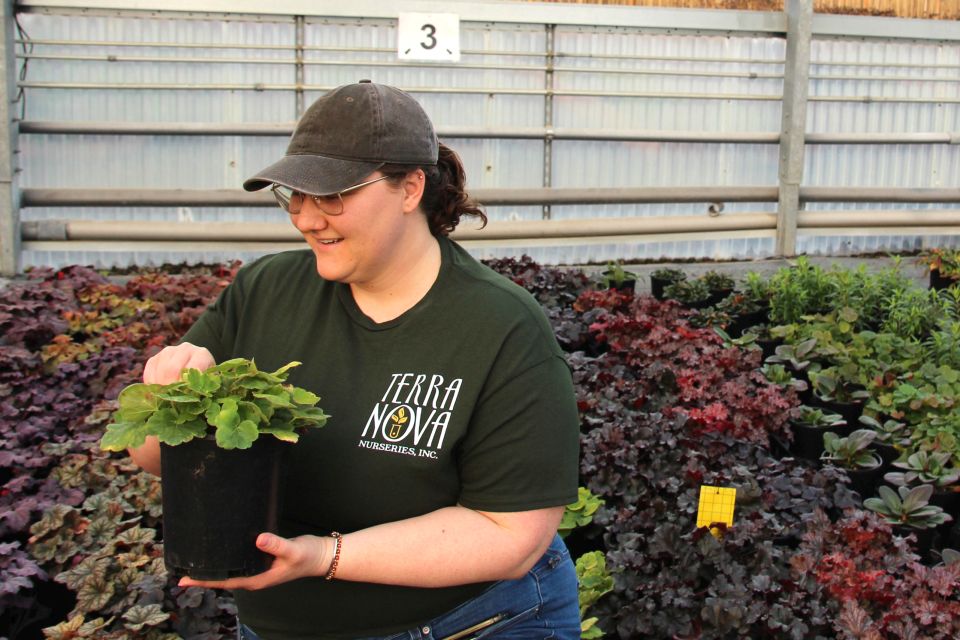
Trials Manager Eleanor Jolley | Terra Nova Nurseries
Eleanor Jolley, Trials Manager at Terra Nova Nurseries, says the breeders she sees love the intersection of art and science.
“The next generations are looking at climate change, larger global cultures, pathways, and communications. Not to mention the implementation of AI and automation, which are very novel, emerging practices that need to be considered when setting breeding goals. Simultaneously, there is a broader interest in returning to traditional, sustainable living practices on a personal or backyard level, motivated by financial and environmental benefits. As demonstrated by the rise of small-scale flower farms, there is a strong desire for beauty and a connection to nature. To touching grass. To community. I really see an incredible combination of art and science, tradition and innovation happening in this very unique moment in time in the mindsets of young horticulturalists. It will be very interesting to see how larger problems are tackled in the next 10 years. The next generation of plant breeders gives me hope.”
Nature Is His Guide
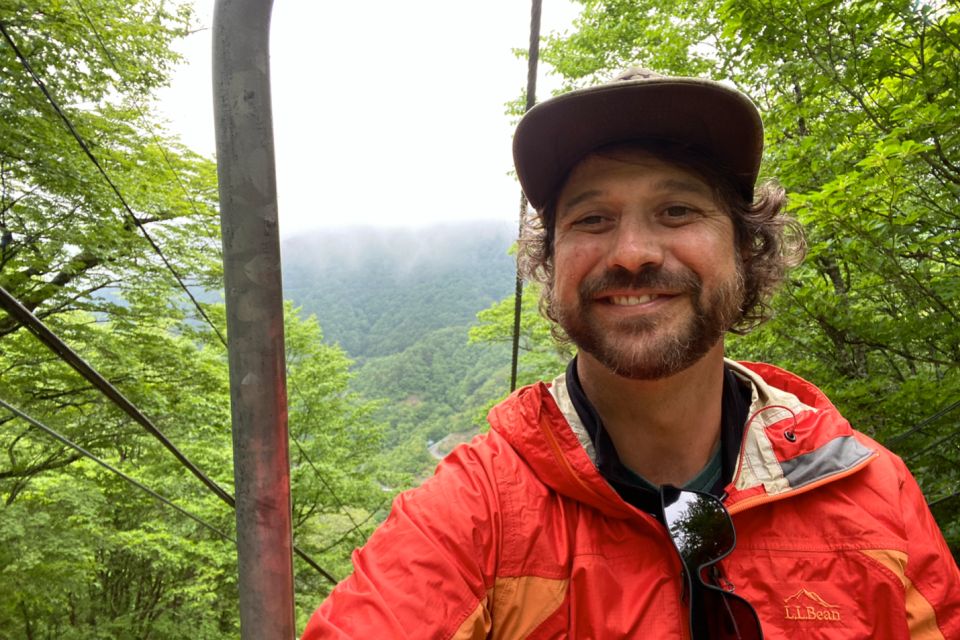
Senior Breeder Adam Moseley of WinGen | Adam Moseley
A Senior Breeder for WinGen in South Austin, TX, Adam Moseley eloquently paints a picture of the harsh weather conditions he breeds for around the country — from the Texas heat and drought, to Florida’s torrential daily rains, to the pest pressure in New England and the Midwest.
“It was an arid morning in late August just south of the weirdest city this side of the Rio Grande. The garden was dry. Too dry for most plants to thrive, and another year of stifling water restrictions meant with this scorcher, 100-plus degrees and no rain, the reprieve from irrigation was not coming. The struggle was real. With a near-compulsive obsession to proliferate a garden inviting envy from neighbors and attracting the local pollinators to drink in its splendor, the garden on this hot summer day was anything but that. A less-than-sufficient sip from a favorite watering can made me ache a bit knowing the bone-dry air would wick away my efforts in the next half an hour or so, drinking away the water before I could finish my morning coffee. Of course, there were those few plants that always gave without getting. The fragrant but smaller flowered Heliotropium ‘Augusta Lavendar’ peppering the garden with lilac blooms reminding me of days past in New Hampshire. The portulaca predictably cycling down its numerous blooms for a nighttime rest like tired children that had trampled over them earlier that day. And of course, the gomphrena, star of my garden, with globes of color triumphantly held above the rest like so many truffula trees in a swath of season-long color oblivious to the brutal conditions subjected upon them.
“Yes, gardening in Texas summers is a bleak prospect, especially for one enamored with annuals. How to be successful? Relegate myself to ephemeral native perennials and deep-routed southern shrubs? Pour my savings away into a bottomless dry well of disappointment? I wanted the bulletproof plants, the ones that make even the black-thumbed gardener re-evaluate their botanical prowess.
“Here at WinGen, nestled in the rural cow pastures of south Austin, TX, I have one focus: breeding these plants. And through rigorous and ruthless culling of 99% of seedlings reared, we sleuth through the chaff to find the few nuggets of gold from this mostly cracked and unforgiving black lands prairie. The trial field is fantastic here until around Independence Day, when spring rains taper off and the bluebird days are successive to exhaustion. It allows for thousands of coded selections and breeding parents to be tested against our unique pressures. In Texas, it’s mostly heat and drought. In Florida, torrential daily rains promote disease and offer their own special kind of heat that lingers through the muggy nights. In New England and the Midwest, possibly worst is pest pressure from budworms and swarms of thrips roving the fields like packs of wild dogs.
“At the end of the day, my goal as a breeder is to find the 0.01% of plants that thrive in all these beautiful, but not always plant-friendly, corners of our nation. With a trained eye and meticulous evaluation, I aim to minimize the “gene x environmental” interactions and find those select few ‘Proven Winners’ that can be proudly planted in so many coveted little slices of gardening Americana. Drought tolerant, pest and disease-resistant, heavy blooming and/or captivating foliage, and vigorous enough growth to get even the most lackadaisical gardener off to a good start. That’s what I’m here for — to drive with my passion, prove through trial performance and sales, and start and end the day with nature as my guide. I don’t know if this is any different than centuries of predecessors in this colorful and niche field, but to meet the challenges of an ever-changing environment and customer base, I strive to create plants that cultivate a true sense of satisfaction for every gardener who gives them a home.”
Advanced Methodologies
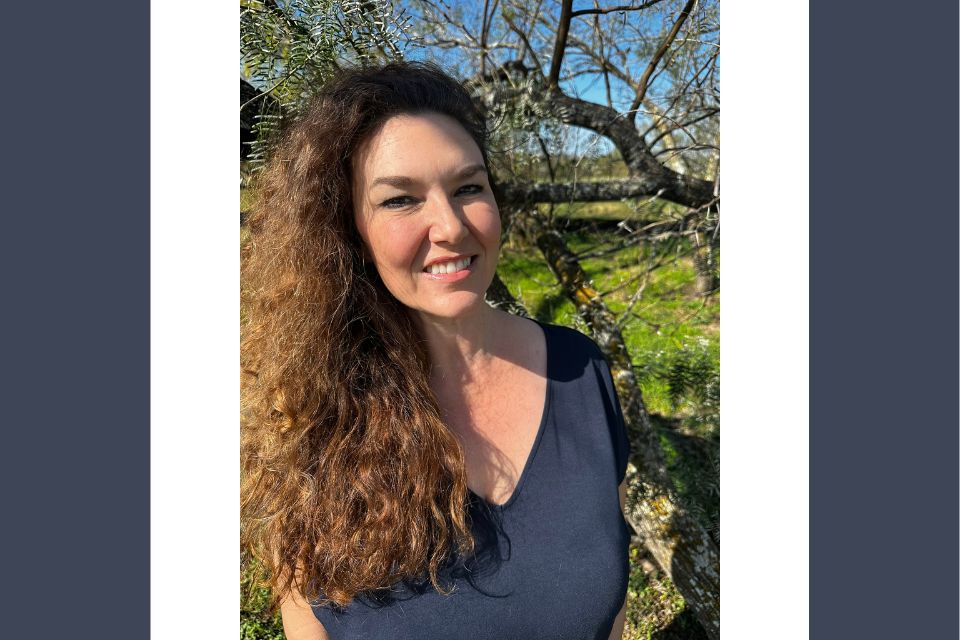
Senior Breeder and Biotechnologist Laura Masor | Laura Masor
Laura Masor, Senior Breeder and Biotechnologist at WinGen, says modern plant breeders are much more reliant on advanced breeding methods than breeders in the past.
“Methods such as chromosome doubling, embryo rescue, and mutation breeding are common practices now,” Mason says. “I rely heavily on these methods in my breeding to bring novel, outstanding products to the market. We created a lab at WinGen (the Advanced Breeding Lab, ABL for short) to accomplish these breeding goals. As manager of the ABL, its projects, and personnel, I have learned, and continue to learn, many aspects of plant biology, biotechnology, and nuclear science that I would have never fathomed I would learn a few years ago and I’m eager to learn more.
“When I started ornamental plant breeding eight years ago, we had rudimentary, clunky plant breeding databases that were meant to store basic info on the lines we bred, but the times have changed. The database I use now has tons of functions that truly make breeding processes simpler, and I make full use of them. Trial data, photos, pedigree trees, and statistical analyses — all the info and tools you need to make crosses and advancements — are accessible a few mouse clicks away. I am excited to see how these accessible databases will become even more powerful tools in the future.
“I think the amount of feedback breeders have access to is much higher than in previous generations, and I take advantage of this. We can get feedback on our varieties and competitor varieties from multiple channels that just didn’t exist years ago. Detailed university and grower trial reports, along with social media and other electronic media feedback, play a big part in what I choose to breed and how, so I stay on top of it.
“I think ornamental plant breeders are starting to understand that trialing their plants under the most ideal conditions is a recipe for disaster. Sure, it’s great to have one or two trials where environmental factors can be controlled to see full genetic potential, but this is not the reality for most producers, growers, or consumers. To create and launch resilient plants that will persist in the market, they need trial by fire. I like to throw all the abiotic and biotic stressors at my plants and see who comes out on top.”
Stay tuned for Part 3 of plant breeding experts discussing new innovations and exciting developments in the field, and take a look at Part 1 if you missed it.
Subscribe to eNewsletter
