



Let’s Talk About Deer, Native Plants, and What Pollinators Really Want
 July 30, 2025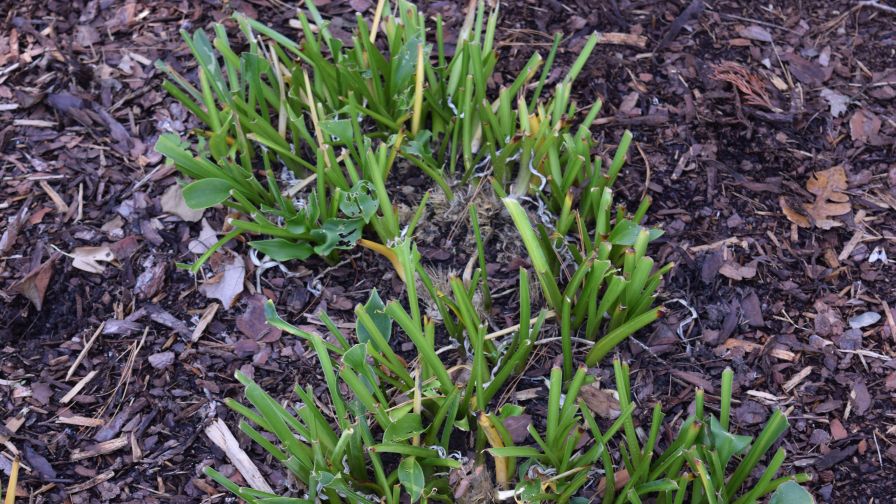
Deer damage on hosta plants. | Dr. Allan Armitage
I always seem to get in trouble when discoursing on this trend or that. I have written ad nauseum about the devastating damage deer are doing to our industry, but I am not sure our growers, breeders, or distributors are even listening. Many retailers certainly are, and more and more “deer-proof” lists of plants are being generated. That’s a good start, but we as an entire industry must take this calamity more seriously. Retailers hear about deer problems every week, and gardeners live with the nightmare every day. The simple fact is that we are losing consumers all the time to deer frustration.
Perhaps I have also overdone my welcome chatting about native plants, too. Just like parts of our industry discount the impact of deer while gardeners fret about them, the opposite seems to be true about native plants. As an industry, we’ve fully embraced the value of natives for ecosystems, remediation, and pollinators (more on that later), but I am not sure how to say this — most consumers don’t really think about native plants that way.
That is not to say they don’t care about native plants — they like the idea of natives/nativars, but in the end, these plants take a backseat to a beautiful plant or one that solves a problem. Few shoppers at the garden center (and even fewer at big box stores) know that a coneflower or coreopsis is a native plant and that a salvia or sedum is not. Landscapers mainly pay attention to native/nativars because landscape architects and designers feel they must incorporate them in their specs.
I have no problem with native plants. In fact, this love affair has enhanced the breeding of plants such as amsonia, rudbeckia, and even Joe-pye weed. But there is a downside to this ongoing flirtation. Too many people now treat natives as the holy grail, while unfairly lumping all non-natives into the “invasive” category. Hogwash! Botanical gardens are often afraid to use non-native plants, and public plantings — like in parks and road medians — are often required to stick strictly to natives. That mindset limits our ability to use reliable, beautiful non-natives like daylilies, astilbe, and digitalis. Frankly, that’s just silly.
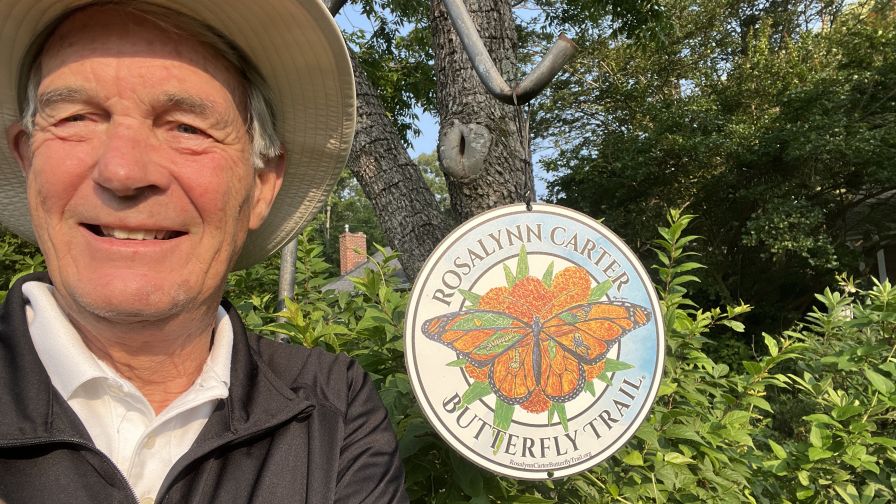
The Rosalynn Carter Butterfly Trail encourages pollinator-friendly gardens across the country. | Dr. Allan Armitage
And while I am on a roll with trends, I want to mention pollinators. There’s nothing better than watching bees, butterflies, and hummingbirds dancing through the garden. I love that people are embracing pollinators not just for what they do, but simply for what they are. Just look at the fabulous Rosalynn Carter Butterfly Trail – every grower, garden center, and garden group should be encouraging people to join. There are already more than 3,000 gardens on the trail. I’ve also been inspired by pollinator gardens like the one I saw recently at the Columbus Botanical Garden, and countless others popping up across the country.
What frustrates me is the persistent dogma that only native plants are useful for pollinators. It’s simply not true. We should be selling all flowering plants as pollinator-friendly, after all, the only reason a plant bears flowers in the first place is to reproduce. And reproduction requires pollination. If we don’t think to include non-native plants, such as salvias, catmints, and lavenders, for example, our gardens would be far less vibrant and far less inclusive of the diversity pollinators seek out.
I may sound like a critic, but really, I am just in awe of what we’ve accomplished as an industry. We’ve made incredible strides, and I simply want to continue the story of our success and keep the momentum going.
Subscribe to eNewsletter