


Highlights from 2025 Field Trials: D.S. Cole Growers
(Information provided by Doug Cole, D.S. Cole Growers)
View all
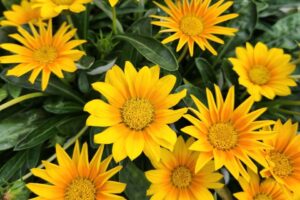
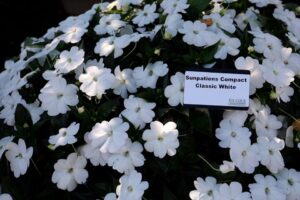
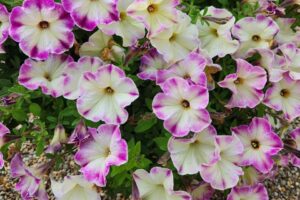
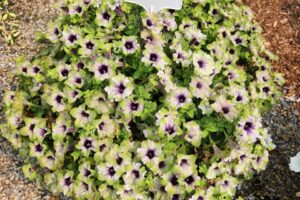
At D.S. Cole Growers, the trials are designed specifically to spotlight mid- to late-summer performance rather than just spring appeal. All entries were planted into 12-inch pots in mid-May, timed to look fresh for the late-July open house and to capture how they handled the heat of the season.
Many times, we are surprised to see a plant looking great in the spring only to be disappointed during mid- to late-summer. Of course, the opposite can also be true. It can be tough to sell Verbena bonariensis and some Gomphrena in the spring due to their delayed flowering, but wow, they sure do get nice as summer progresses.
This year’s trials also expanded into tropical plants and dual-purpose ornamentals, including Ficus and the Ipomoea Treasure Island Series, all grown in full sun. The goal was to see how these crops stand up in real-world conditions and where they might fit in with growers’ late-summer programs.
All in all, the trials went well here in New Hampshire.
Three Plants That Impressed at D.S. Cole Growers’ Trials
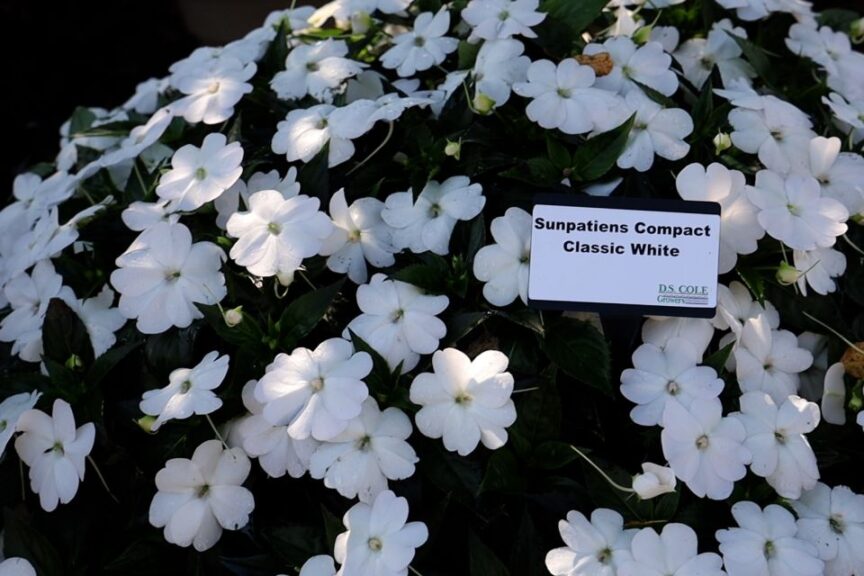
Impatiens Impatiens x hybrida SunPatiens Series (Sakata)
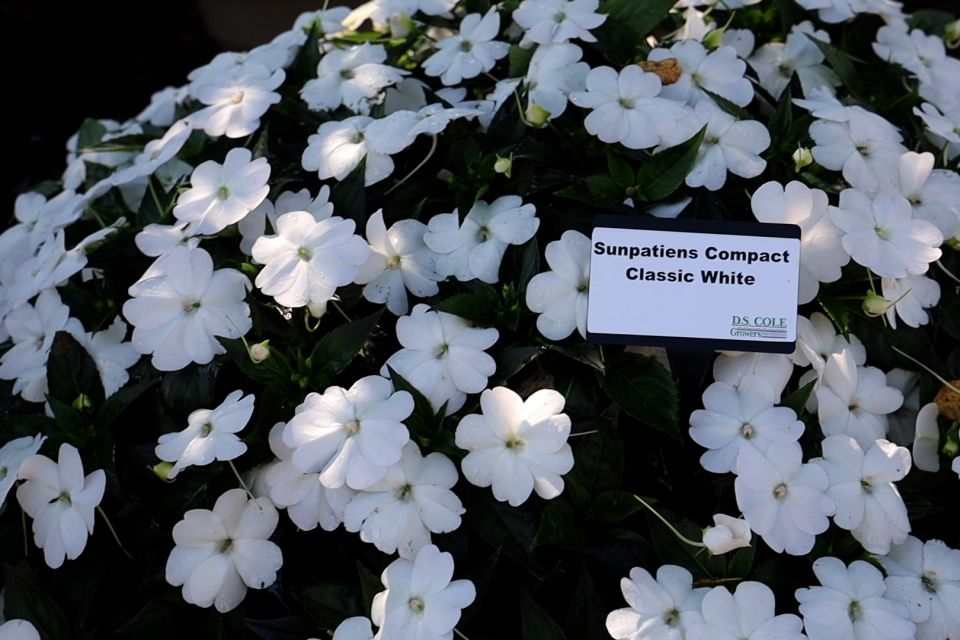
Impatiens Impatiens x hybrida SunPatiens Series (Sakata)
The clear standout of the summer. The SunPatiens Series in combination with the Canna x generalis Cannova Series, offered consistent, full-season performance. Beds stayed full, colorful, and tidy, often needing little to no touch-up until frost.
Black-eyed Susan Rudbeckia hirta Sunbeckia ‘Emma’ (Bull Plant Genetics)
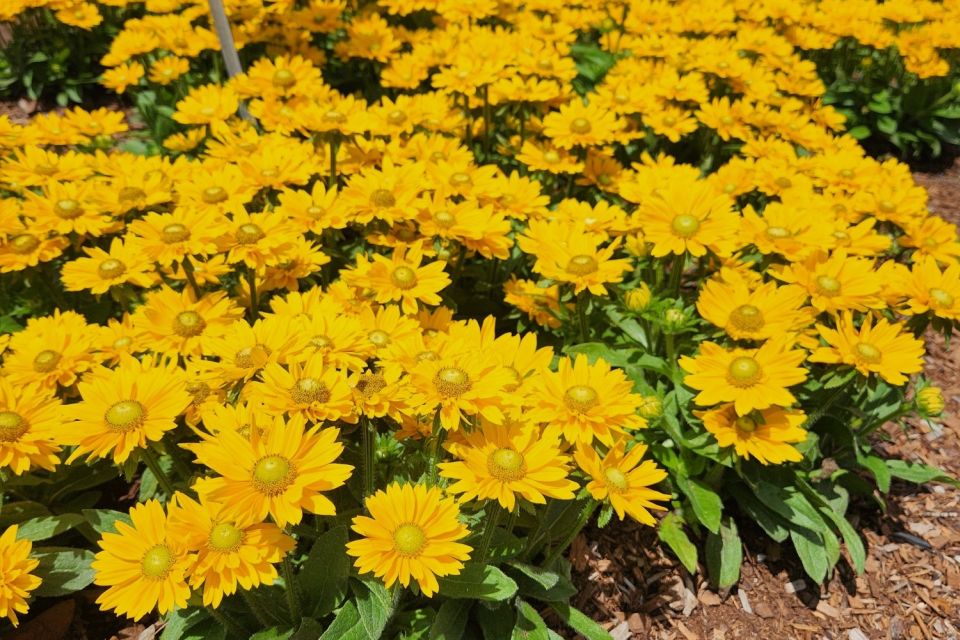
Black-eyed Susan Rudbeckia hirta Sunbeckia ‘Emma’ (Bull Plant Genetics)
For us, the Sunbeckia group has become the go-to annual rudbeckia for summer and fall color. These plants flower in long days, so timing is critical. If they are potted prior to week 12, they tend to stay vegetative too long and will be too tall by the time they flower. Sunbeckia is available in several vigor groups, allowing growers to match plant size to the pot size they want to use. The easiest timing is to pot them around the same time as garden mums and asters, with plantings staggered over a longer window to support extended summer/fall blooming.
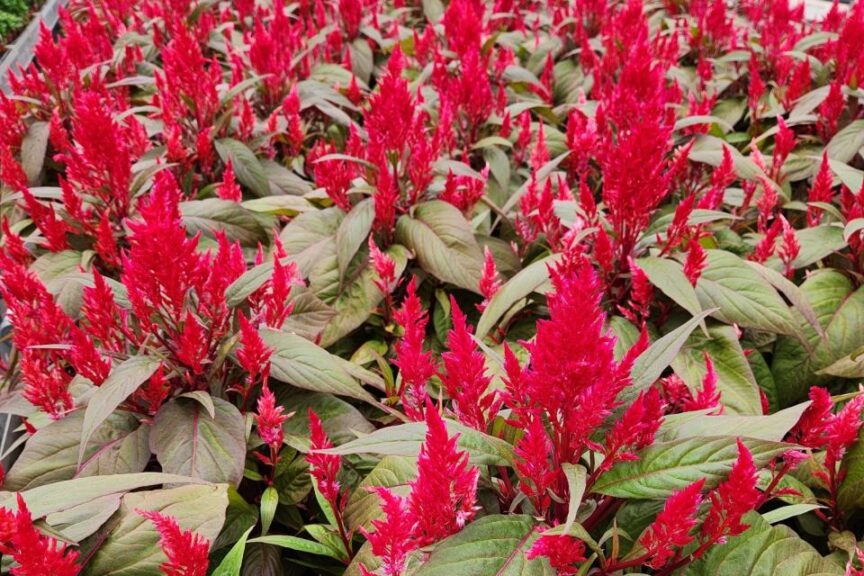
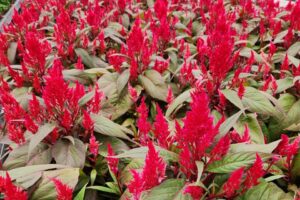
Celosia Celosia argentea plumosa Dragon’s Breath (Sakata)
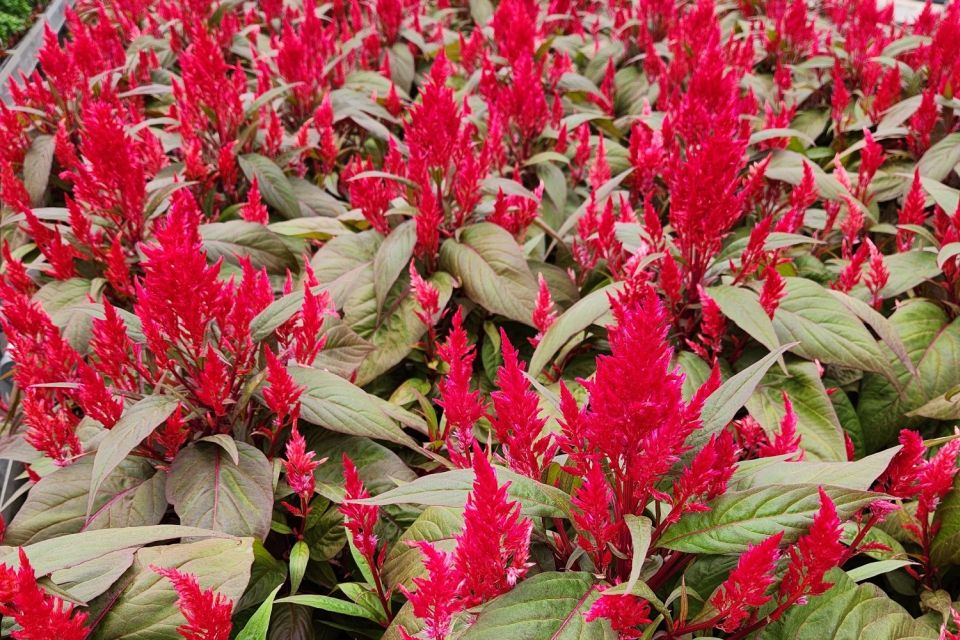
Celosia Celosia argentea plumosa Dragon’s Breath (Sakata)
Although not new, Celosia Dragon’s Breath has been a winner with one plant in a gallon container. It does need short-day treatment to hit an August sales window, but well worth the effort. If short day treatments are not for you, try Celosia Flamma Golden or Orange. These two colors bloom faster than some other colors. As to Purple shades of Celosia, it’s tough to beat Ball’s Intenz Series.
Other 2025 Top Performers:
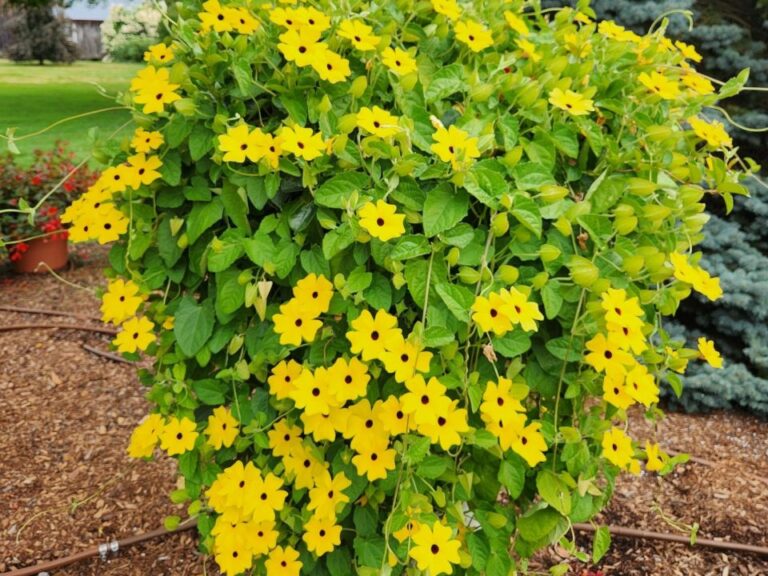
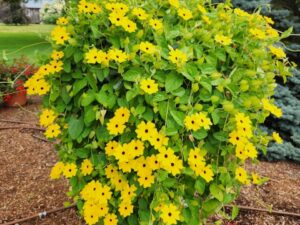
Black-eyed Susan Thunbergia Lemon (Jaldety)
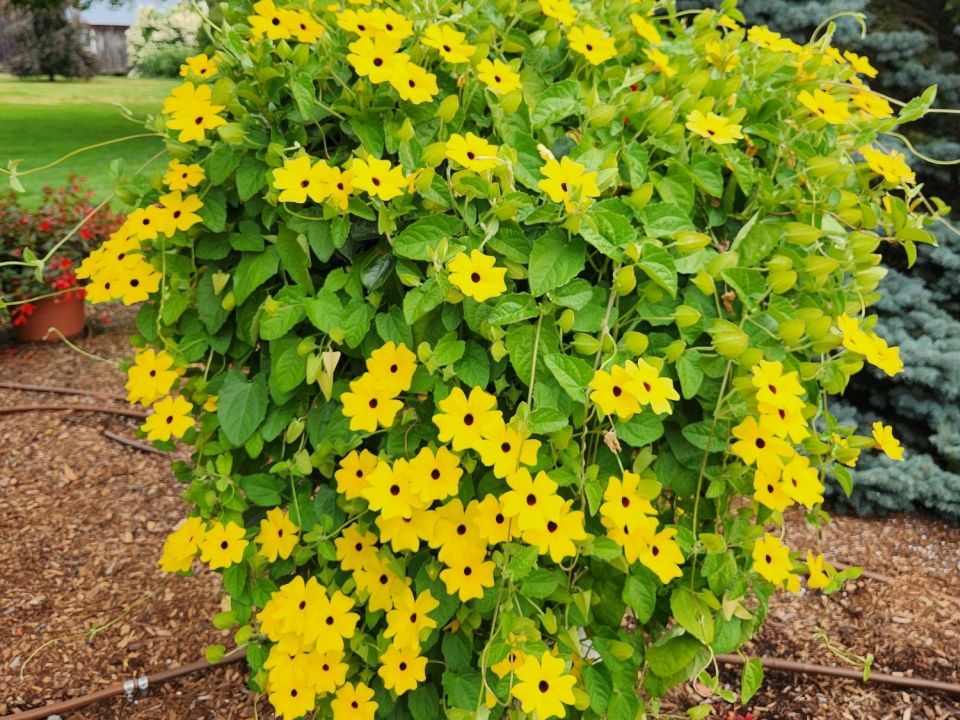
Black-eyed Susan Thunbergia Lemon (Jaldety)
A consistent top seller, Lemon typically has the greatest flower count compared to other colors and continues to be a reliable favorite in the trials.
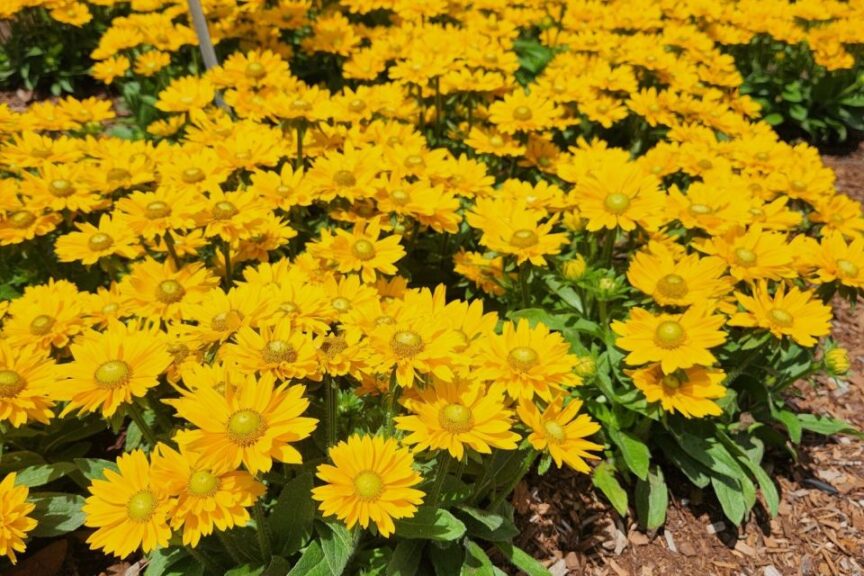
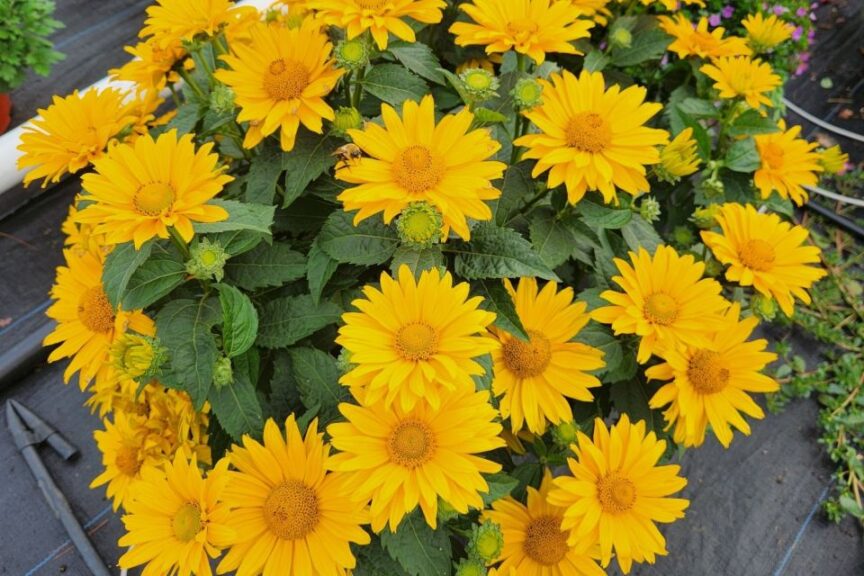
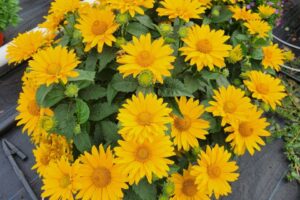
False sunflower Heliopsis helianthoides ‘Sole d’Oro’ (Kientzler)
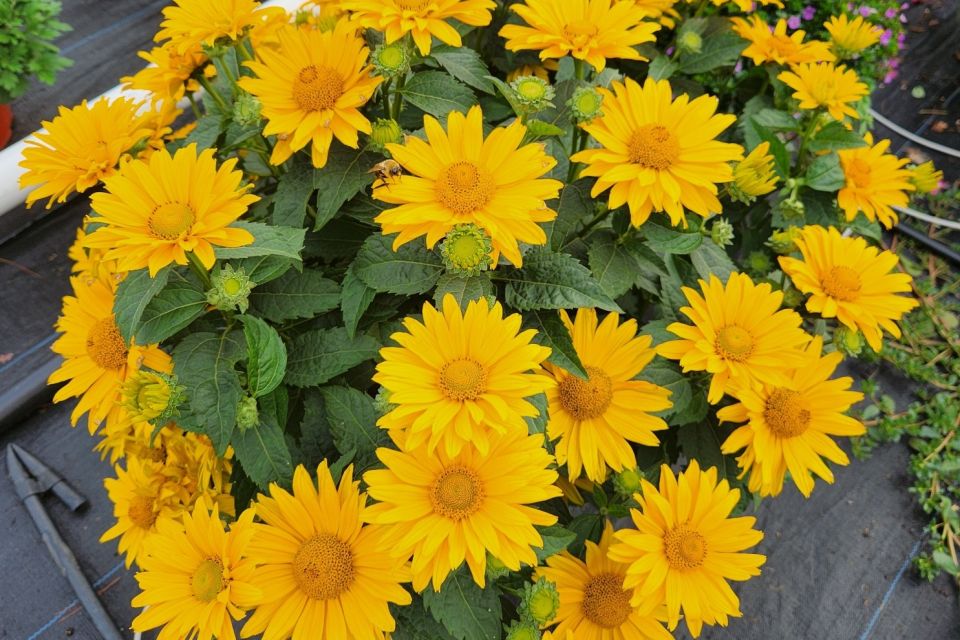
False sunflower Heliopsis helianthoides ‘Sole d’Oro’ (Kientzler)
Heliopsis has been getting more attention lately. It is a first-year flowering perennial with plenty of flower power for mid to late summer. Both Kientzler varieties and Bull Plant Genetics (Sunopsis) performed well.
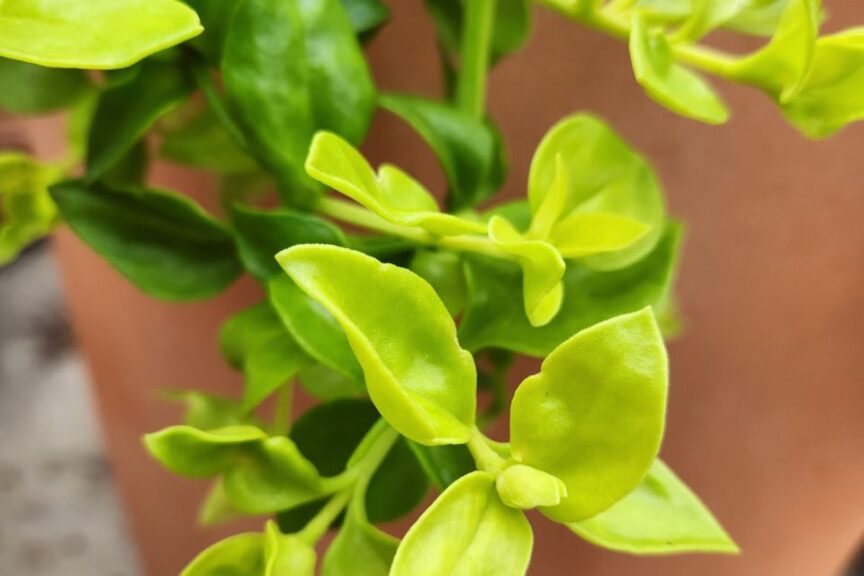
Baby sunrose Aptenia cordifolia ‘Golden Cascade’ (Kientzler)
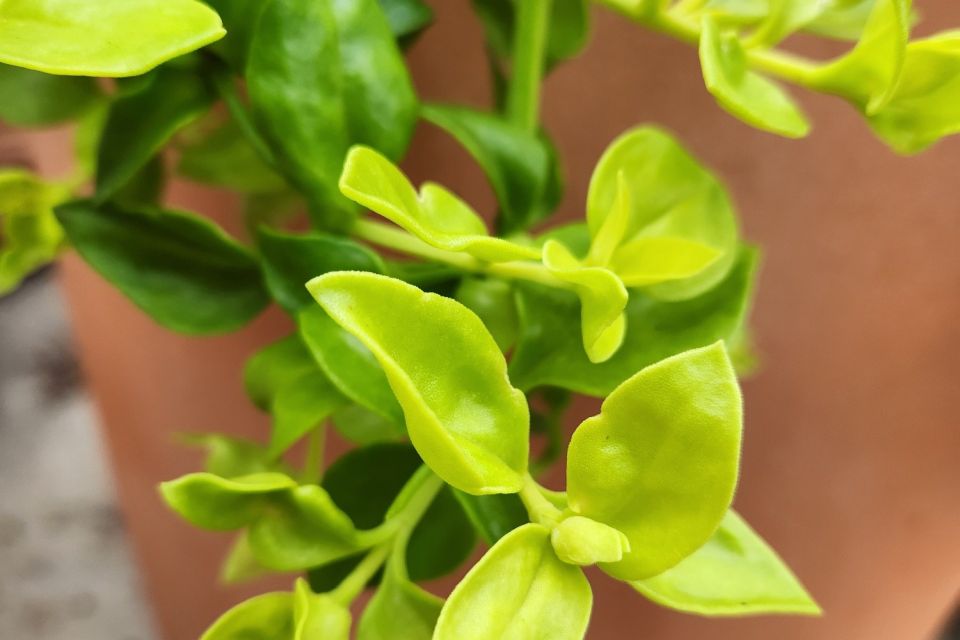
Baby sunrose Aptenia cordifolia ‘Golden Cascade’ (Kientzler)
A promising option for growers looking to replace Lysimachia nummularia ‘Aurea’. ‘Golden Cascade’ grows a bit more slowly but maintains strong color all summer without overrunning neighboring plants.
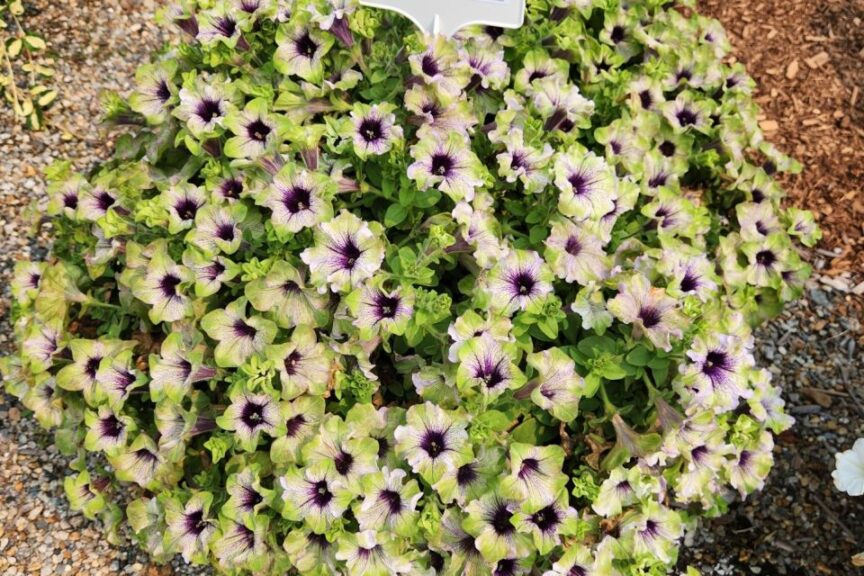
Petunia Petunia hybrida Amazonas Plum Cockatoo (Danziger)
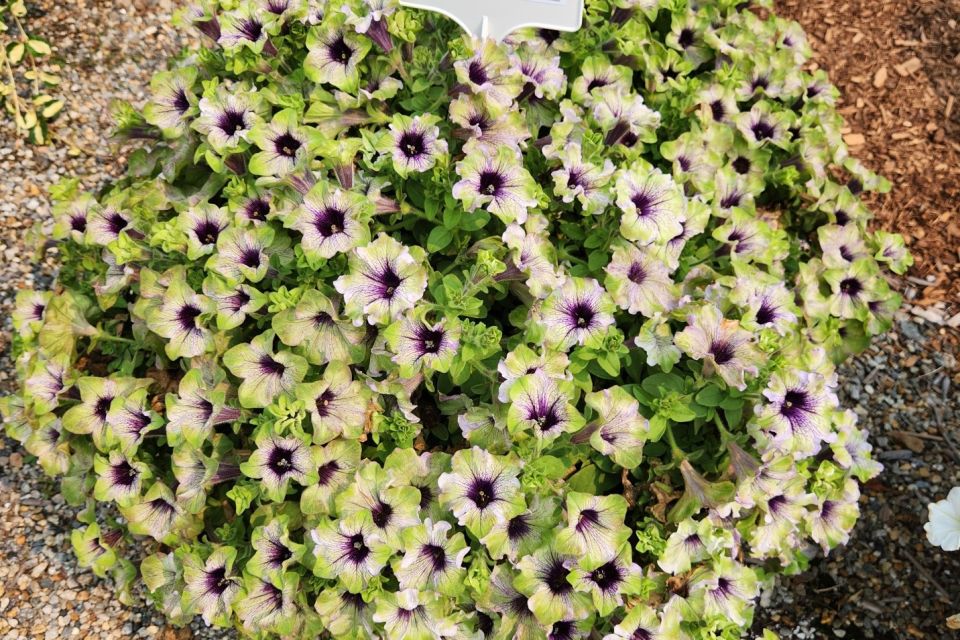
Petunia Petunia hybrida Amazonas Plum Cockatoo (Danziger)
Plum Cockatoo surprised the team with a beautiful, mounded habit and a canopy filled with color for most of the summer.
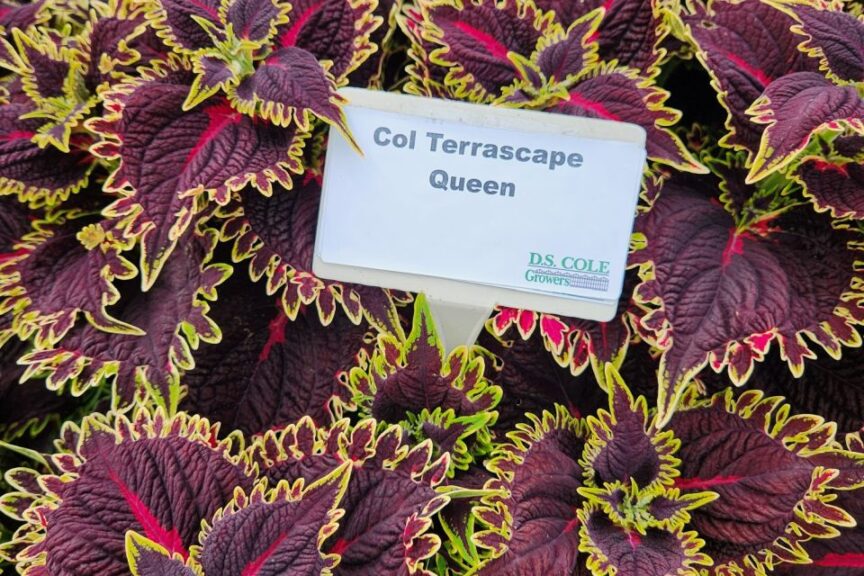
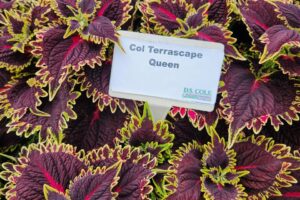
Coleus Coleus scutellarioides TerraScape ‘Queen’ (Kientzler)
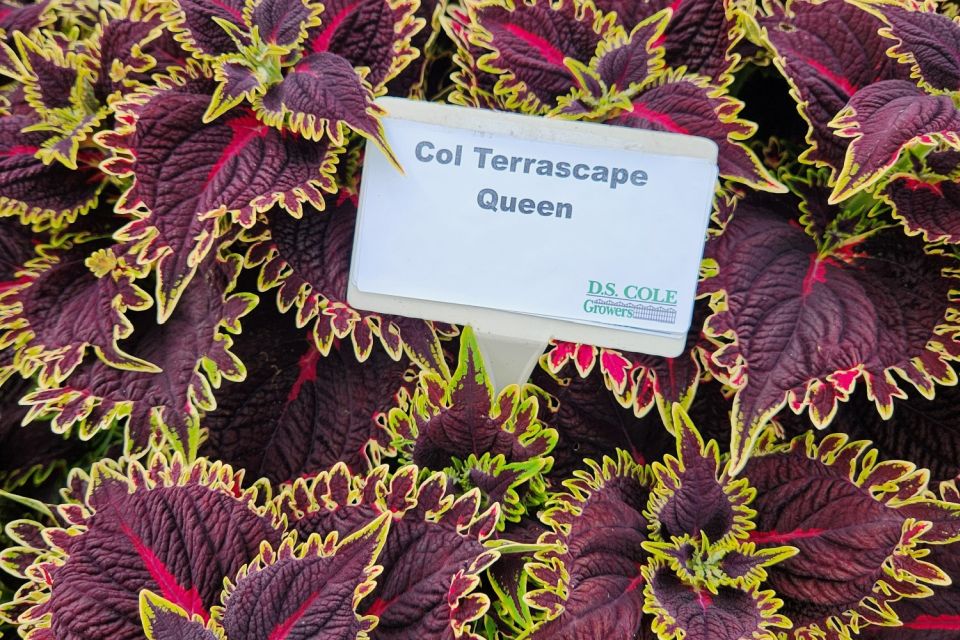
Coleus Coleus scutellarioides TerraScape ‘Queen’ (Kientzler)
We are always looking for something new in Coleus. This year we found it with Coleus ‘Queen’.
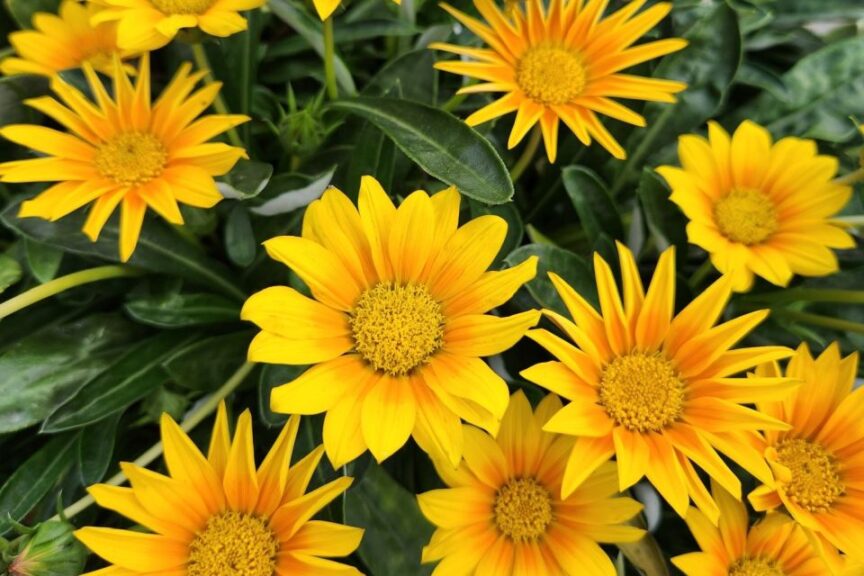
Gazania Gazania hybrid ‘Suncarpet’ (Concept Plants)
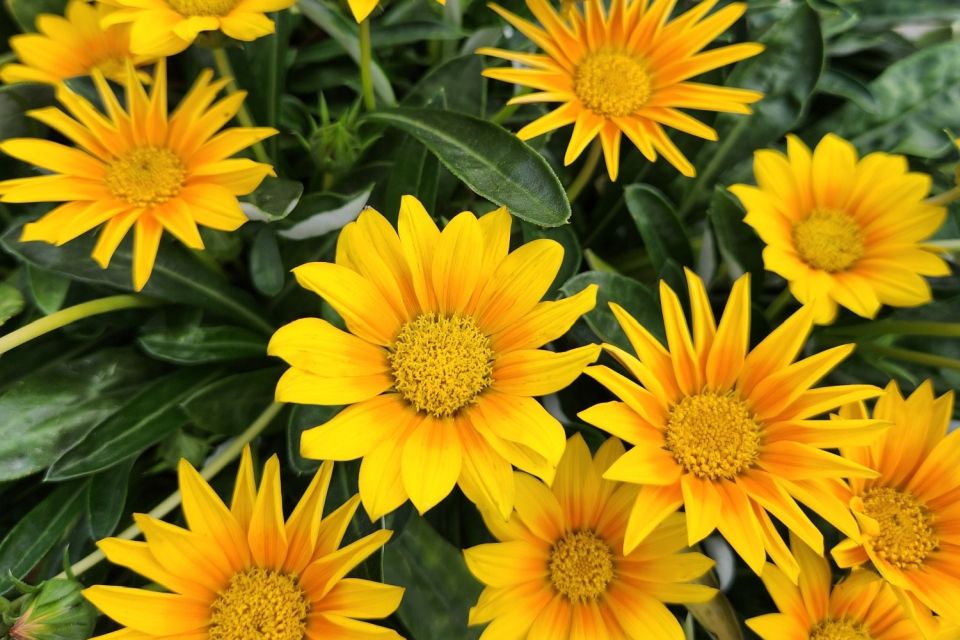
Gazania Gazania hybrid ‘Suncarpet’ (Concept Plants)
We have not been excited about Gazania for quite a while due to the lack of the overall “wow” factor until ‘Suncarpet’ became available this year. This plant gets better for the homeowner as the summer progresses.
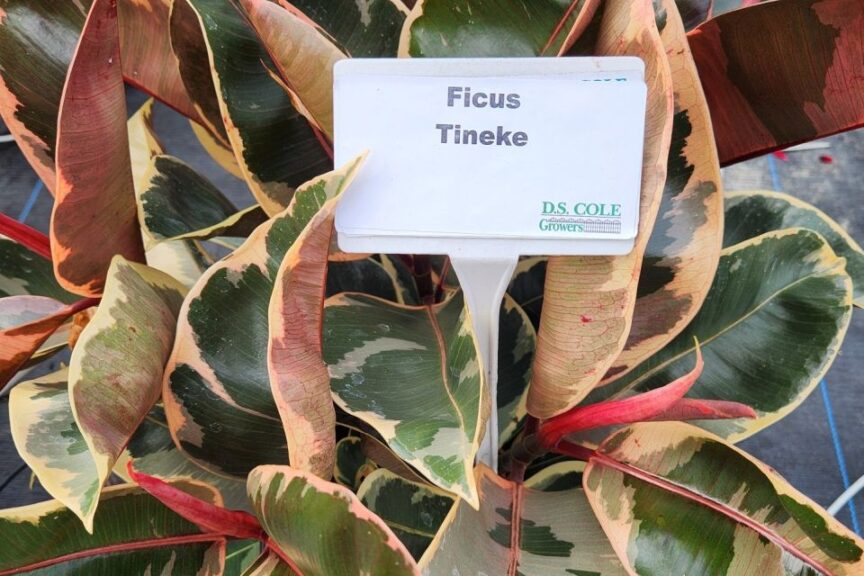
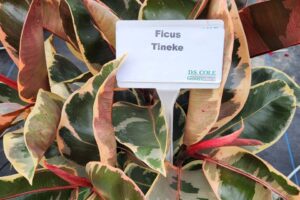
Rubber tree Ficus elastica ‘Tineke’
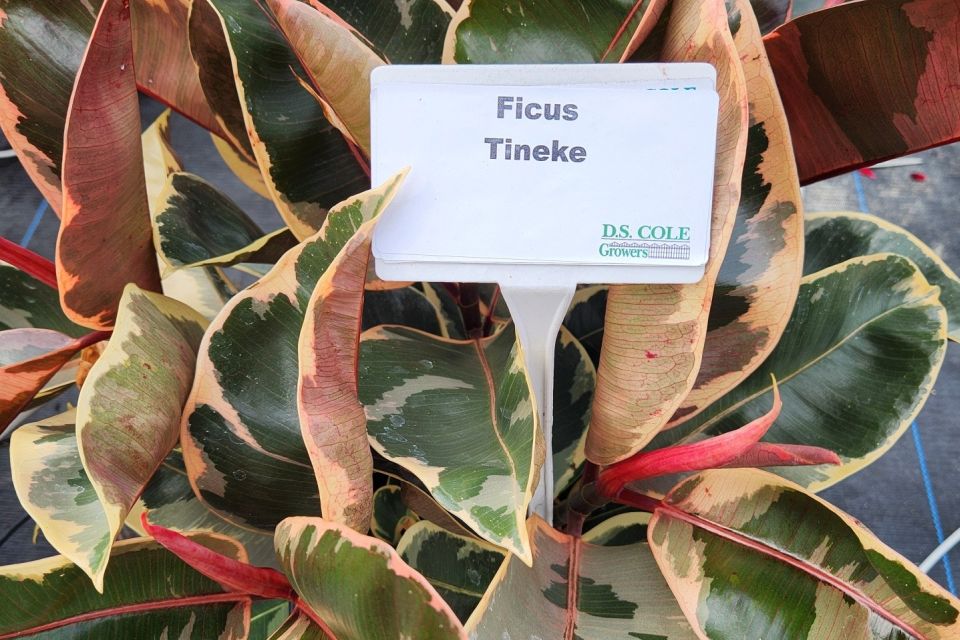
Rubber tree Ficus elastica ‘Tineke’
This was a year to trial several tropicals in the summer sun. Ficus is right at home in full sun or partial shade. ‘Tineke’ does well in full sun even though it has variegated leaves.
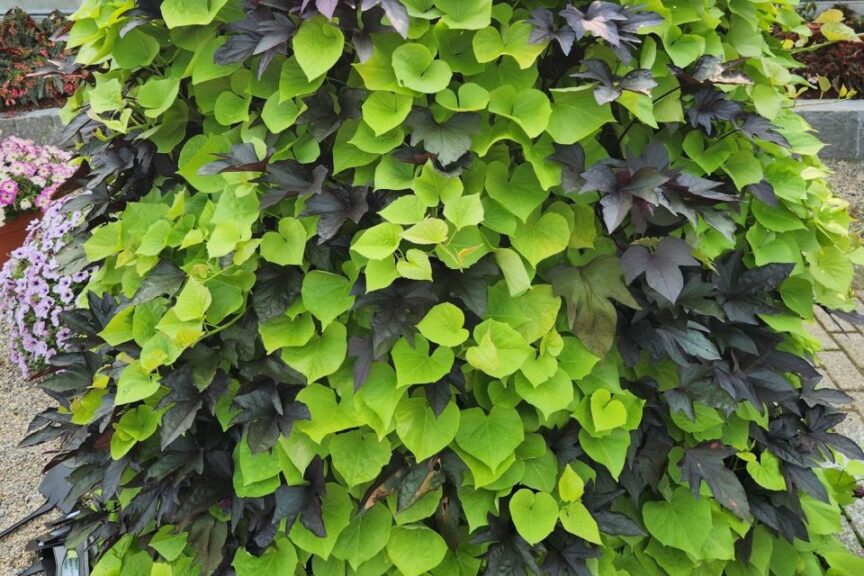
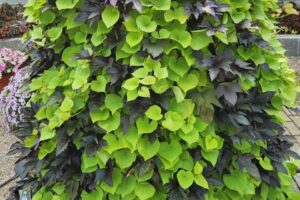
Sweet-potato vine Ipomoea batatas Treasure Island Series (LSU Ag Center)
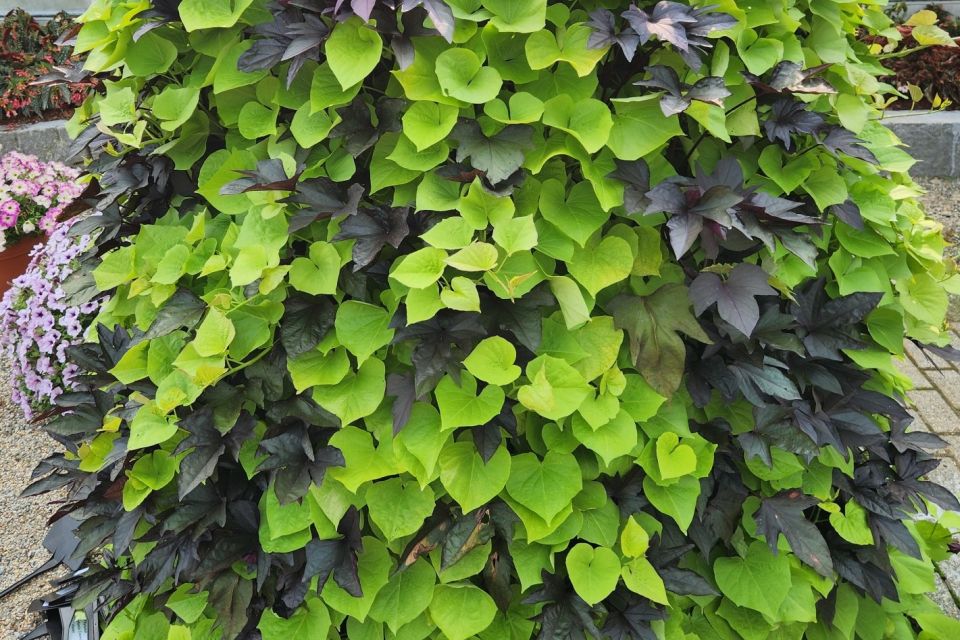
Sweet-potato vine Ipomoea batatas Treasure Island Series (LSU Ag Center)
Ipomoea Treasure Island Series has the typical leaf colors of most Ipomoea on the market. What makes it fun is that these were bred at the LSU Ag Center to have both ornamental value as well as edible foliage and roots. Each of the five varieties has different colored root flesh. Yes, I said edible foliage. Ipomoea foliage is nutritious and is commonly eaten in Nepal.
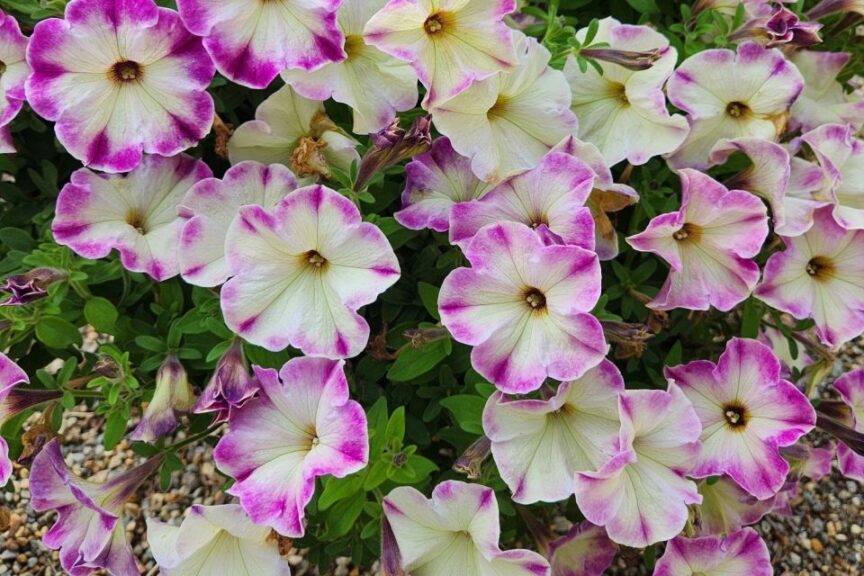
Petunia Petunia hybrid Crazytunia Lighthouse Pink (Westhoff)
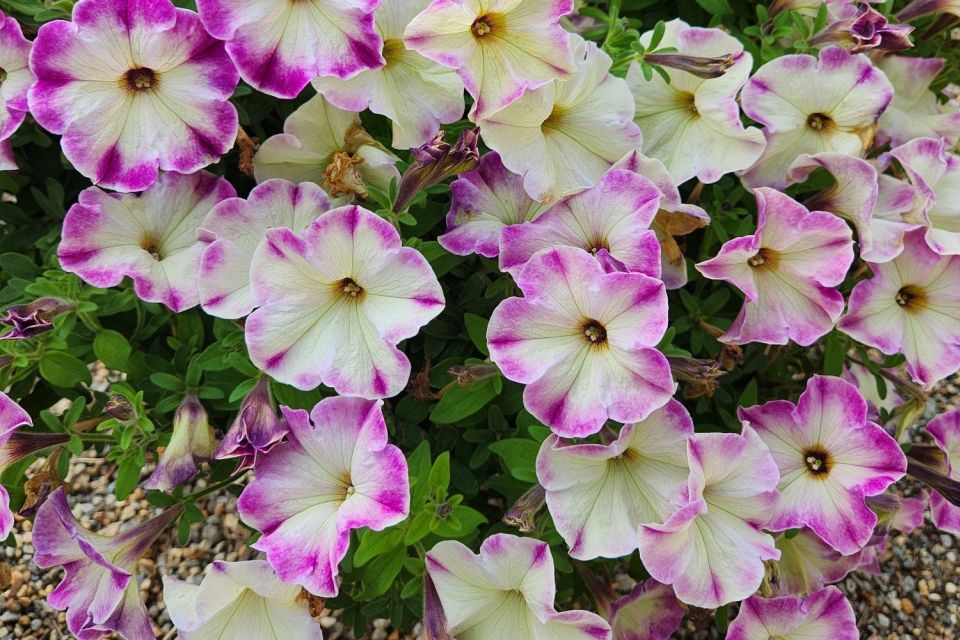
Petunia Petunia hybrid Crazytunia Lighthouse Pink (Westhoff)
Crazytunia Lighthouse Pink pleasantly surprised us. Some Petunias can fade or change color patterns during the summer. Lighthouse Pink kept its great color pattern throughout the season.

For more 2025 field trials information and variety highlights, click here.
Subscribe to eNewsletter