


Highlights from Greenhouse Grower’s February 2026 Issue

From rethinking garden center layouts to exploring AI tools in greenhouse production, there was a lot of information to cover in Greenhouse Grower® Magazine‘s February 2026 issue. Check out the slideshow below for a closer look at the top stories (links to each story are included in the photo gallery and the rest of the article below). You can also find a digital version of the issue here.

-
-
1 of 11
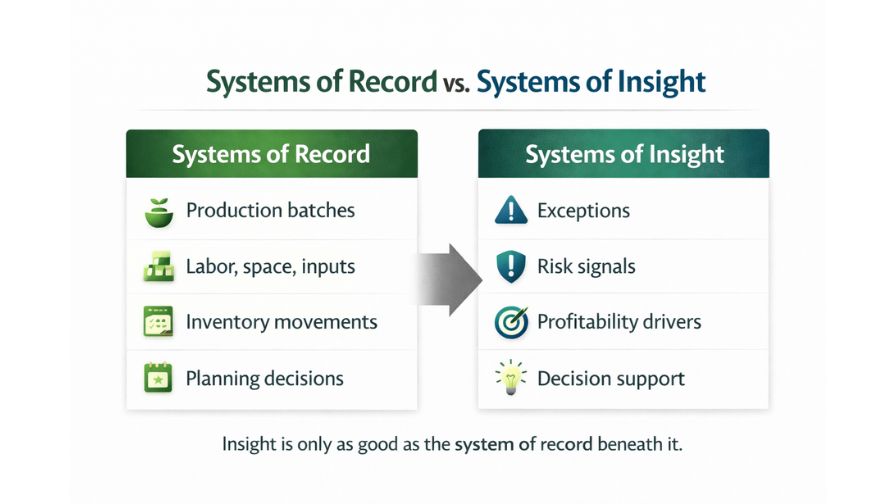
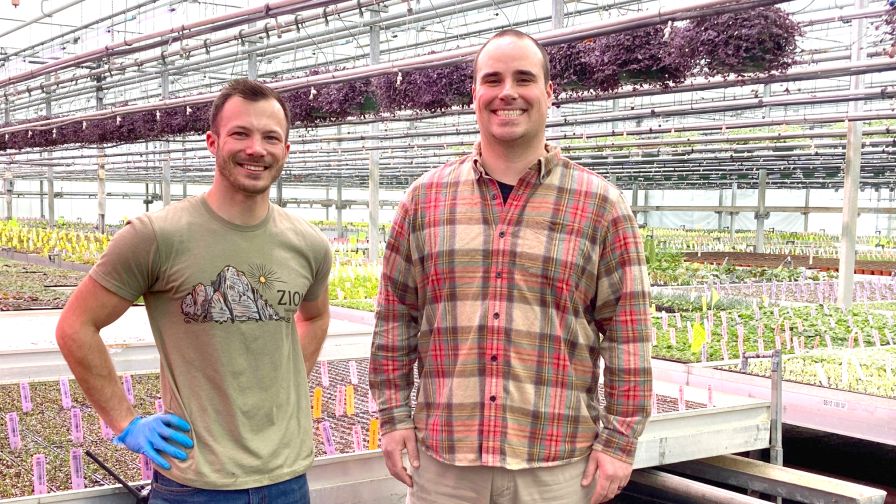
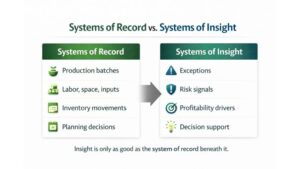
What Midwest Groundcovers Learned from Implementing a New ERP System
After more than 20 years on a legacy platform, Midwest Groundcovers outlines why it was time for a change and what the transition involved.
Photo: Midwest Groundcovers
-
2 of 11
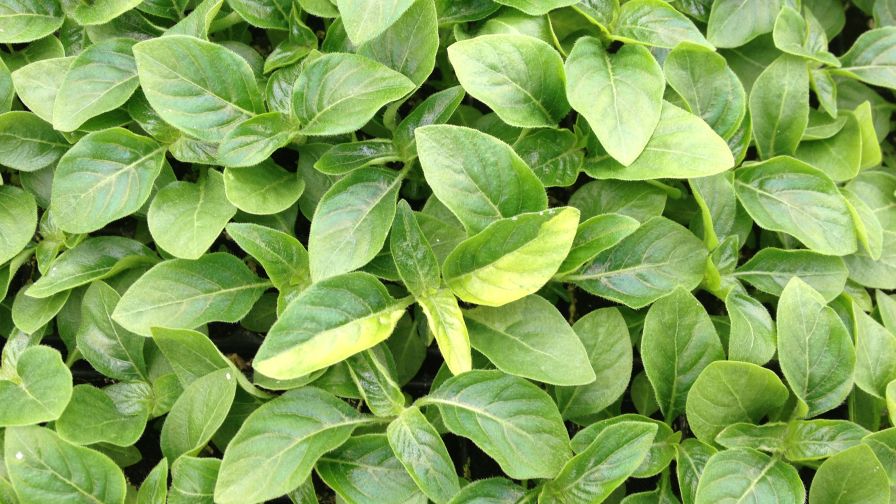
How Greenhouse IPM Programs Are Getting Smarter
From crop-specific biological controls to better scouting and record keeping, here's how growers are refining their pest management strategies.
Photo: Jen Browning, BASF
-
3 of 11
Rethinking Garden Center Layouts to Better Guide Consumers
Justin Lombardoni of the Chicago Botanic Garden advocates for grouping plants by function, such as hedging or erosion control, to help customers quickly understand how plants fit into their landscapes.
Photo: Chalet Home + Garden
-
4 of 11
Why AI Innovation in Greenhouse Software Is a Two-Way Street
Here's a look at how software providers and growers are working together to build AI tools grounded in real-world production and operational needs.
Photo: Aster Software
-
5 of 11
Three Organizations That Need Your Support
Here are three organizations in the horticulture industry, what they accomplish, and why they deserve your time, attention, and support.
Photo: Konstantin Zibert via Adobe Stock
-
6 of 11
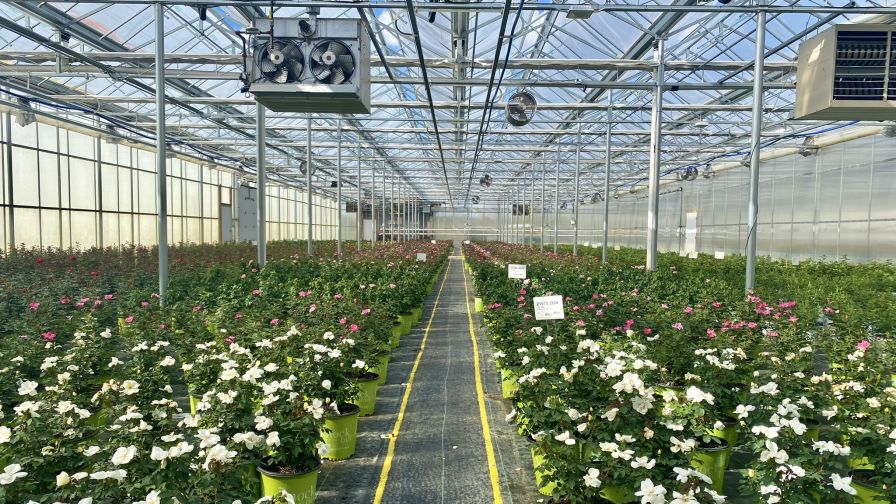
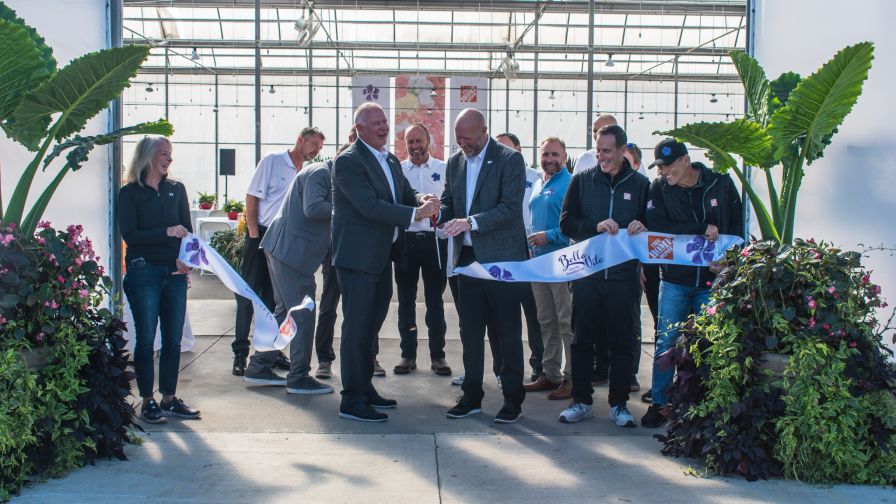
Growing With Purpose at Grand Flower Growers
Learn how Grand Flower Growers’ Michigan roots and a Georgia expansion are reshaping production, partnerships, and the future of annuals.
Photo: Sydney Sorrells / Grand Flower Growers
-
7 of 11
AI-Powered Sticky Card Analysis Trialed at Michael’s Greenhouses
Michael's Greenhouses Head Grower Laurie Conlon shares the benefits and limitations of AI analysis of sticky card traps learned during poinsettia production.
Photo: Michael’s Greenhouses
-
8 of 11
Beyond Red: What’s Next for Poinsettias
From Marisa Reyes, here's how breeders and growers are refining poinsettias for earlier sales, longer life, and a changing holiday consumer.
Photo: Mitchell’s Nursery, Plantpeddler, and Suntory Flowers
-
9 of 11
4 Lessons Learned While Planning a Family Business Transition
As Danville Gardens begins transitioning its business to the next generation, it has insights for other growers thinking about succession.
Photo: Danville Gardens
-
10 of 11
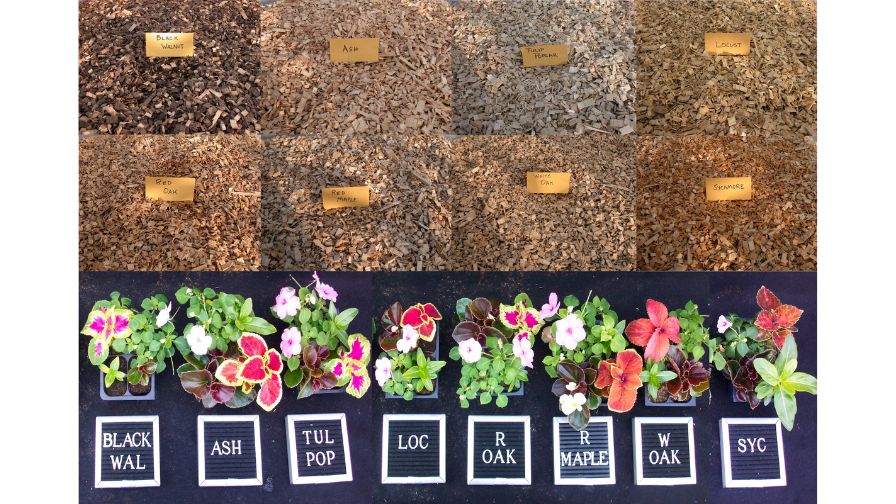
A Guide to Wood Substrates: The Viability of Hardwood Trees
This is the fourth article in a six-part series from Dr. Brian Jackson highlighting the sourcing, engineering, commercial availability, and use of wood substrates. Click here for Parts 1, 2, and 3.
Photo: Brian E. Jackson
-
11 of 11
Rethinking Recruitment in Floriculture
Three growers share how they’re adjusting hiring strategies, benefits, and expectations to attract the next generation of talent.
Photo: D.S. Cole Growers
View all
What Midwest Groundcovers Learned from Implementing a New ERP System
How Greenhouse IPM Programs Are Getting Smarter
Rethinking Garden Center Layouts to Better Guide Consumers
Why AI Innovation in Greenhouse Software Is a Two-Way Street
Three Organizations That Need Your Support
Growing With Purpose at Grand Flower Growers
AI-Powered Sticky Card Analysis Trialed at Michael’s Greenhouses
Beyond Red: What’s Next for Poinsettias
4 Lessons Learned While Planning a Family Business Transition
A Guide to Wood Substrates: The Viability of Hardwood Trees
Rethinking Recruitment in Floriculture
What Midwest Groundcovers Learned from Implementing a New ERP System
After more than 20 years on a legacy platform, Midwest Groundcovers outlines why it was time for a change and what the transition involved.
How Greenhouse IPM Programs Are Getting Smarter
From crop-specific biological controls to better scouting and record keeping, here’s how growers are refining their pest management strategies.
Rethinking Garden Center Layouts to Better Guide Consumers
Justin Lombardoni of the Chicago Botanic Garden advocates for grouping plants by function, such as hedging or erosion control, to help customers quickly understand how plants fit into their landscapes.
Why AI Innovation in Greenhouse Software Is a Two-Way Street
Here’s a look at how software providers and growers are working together to build AI tools grounded in real-world production and operational needs.
Three Organizations That Need Your Support
Here are three organizations in the horticulture industry, what they accomplish, and why they deserve your time, attention, and support.
Growing With Purpose at Grand Flower Growers
Learn how Grand Flower Growers’ Michigan roots and a Georgia expansion are reshaping production, partnerships, and the future of annuals.
AI-Powered Sticky Card Analysis Trialed at Michael’s Greenhouses
Michael’s Greenhouses Head Grower Laurie Conlon shares the benefits and limitations of AI analysis of sticky card traps learned during poinsettia production.
Beyond Red: What’s Next for Poinsettias
From Marisa Reyes, here’s how breeders and growers are refining poinsettias for earlier sales, longer life, and a changing holiday consumer.
4 Lessons Learned While Planning a Family Business Transition
As Danville Gardens begins transitioning its business to the next generation, it has insights for other growers thinking about succession.
A Guide to Wood Substrates: The Viability of Hardwood Trees
This is the fourth article in a six-part series from Dr. Brian Jackson highlighting the sourcing, engineering, commercial availability, and use of wood substrates. Click here for Parts 1, 2, and 3.
Rethinking Recruitment in Floriculture
Three growers share how they’re adjusting hiring strategies, benefits, and expectations to attract the next generation of talent.
Subscribe to eNewsletter