



Vegetables Built for the Way People Garden Now
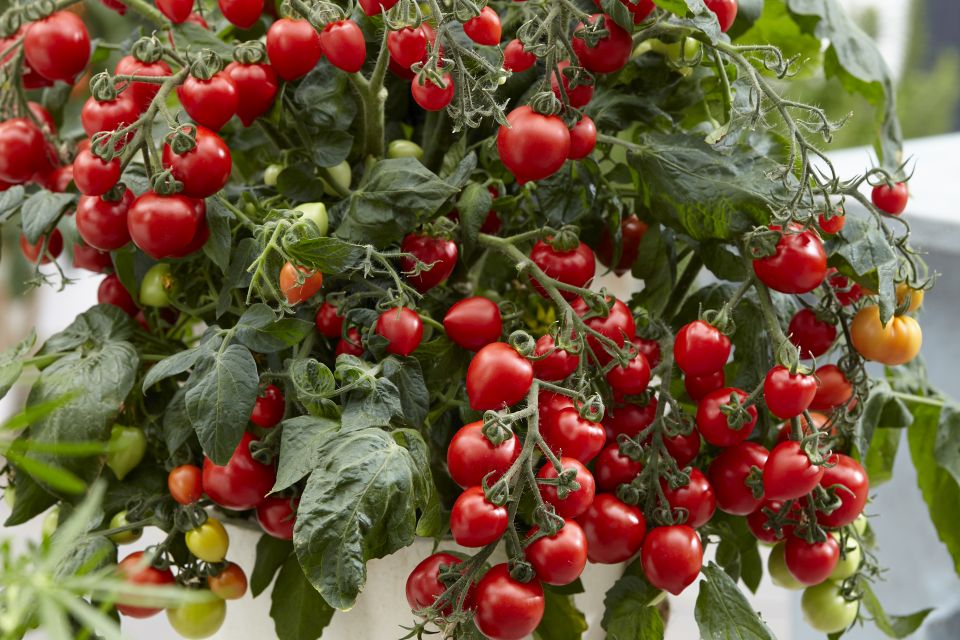
Goodhearted Red tomato produces clusters of heart-shaped cherry fruit on a compact plant suited to patio containers and small-space production. | Proven Winners
Vegetable gardening has a way of pulling people in. One tomato plant on a patio can become three the next year. A pepper grown in a container can turn into an entire raised bed. A cucumber tucked into a sunny corner can make even a small backyard feel productive.
That enthusiasm surged during the pandemic, but it did not disappear when people returned to their normal routines. At Raker-Roberta’s Young Plants, vegetable and herb sales nearly quadrupled in 2021 and, although demand has eased from that peak, sales remain more than double pre-pandemic levels, according to Jenny Kuhn, the company’s Seed Product Manager/Seed Purchasing. What has changed is how consumers are making room for those crops. Smaller yards, patios, and balconies are putting more emphasis on vegetables that can produce heavily without requiring a traditional garden plot.
“Consumers want easy-to-grow crops that taste good,” Kuhn says.
For greenhouse growers, that puts more emphasis on how efficiently those plants can be produced, finished, and sold.
Smaller Plants, Different Production Possibilities
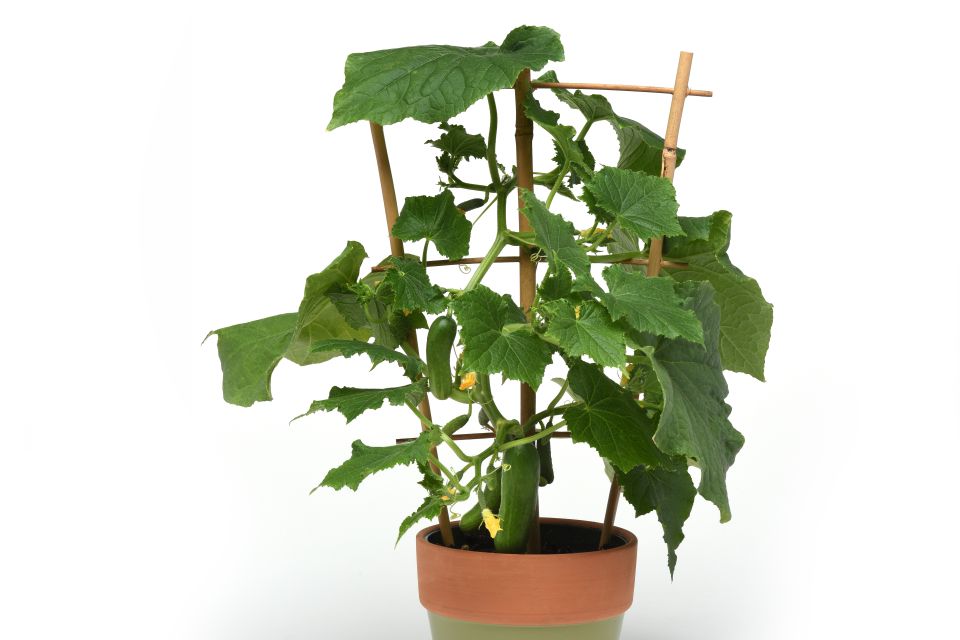
Quick Snack Cucumber can be finished in a compact trellised container and produces snack-size fruit continuously. | Ball Horticultural Company
Breeders are responding with more compact habits, but compactness alone isn’t enough. Those genetics also need to translate into efficient greenhouse production.
PanAmerican Seed’s Quick Snack Cucumber, part of the Kitchen Minis collection, can be direct-sown into its final container and finished in less than 45 days. The parthenocarpic cucumber can be grown trellised in a 6- to 8-inch pot, pinched when it reaches the top of the trellis, or produced in a hanging basket.
That flexibility gives growers several finished-product options from the same crop rather than limiting the variety to a traditional vegetable transplant.
I’ve grown Quick Snack for the past two seasons, and its productivity is exactly why it keeps earning space in my garden.
Hanging-basket edibles were also hard to miss at Cultivate and California Spring Trials this year.
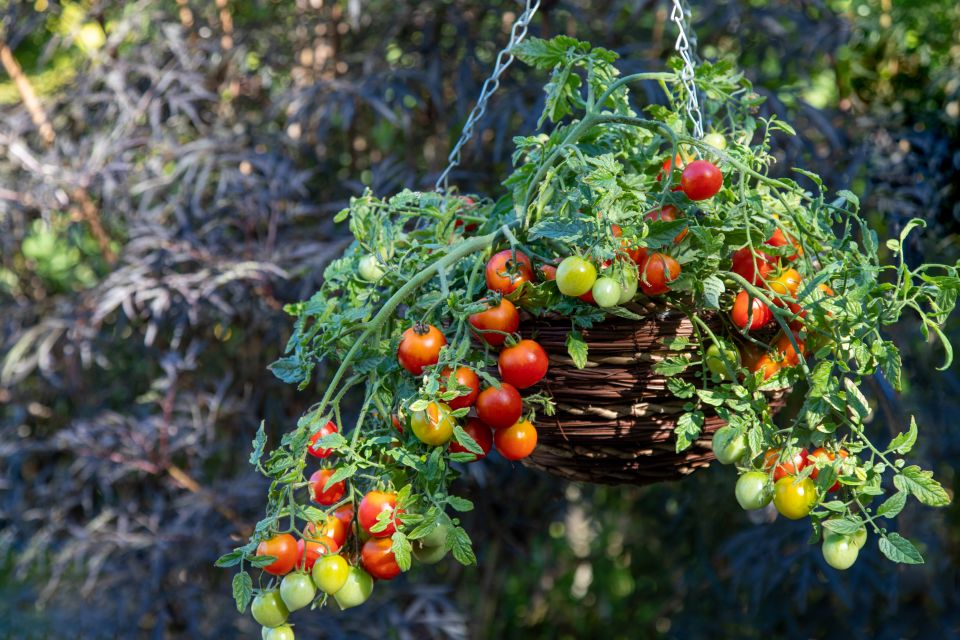
Cherry Blast Tomato brings a cascading habit and heavy fruit set to the hanging-basket format. | Syngenta
Syngenta Flowers’ Vegetalis program includes Cherry Blast Tomato for hanging-basket production, along with crops such as Basket of Fire peppers, Little Lanterns physalis, and mignonette strawberries.
Proven Harvest from Proven Winners’ Petite Patio Collection takes a similar approach. Basket Bounty tomatoes are sold in 12-inch hanging baskets, while Goodhearted tomatoes provide compact, harvest-ready plants for patio containers.
Growers already producing ornamental baskets and patio pots can add these edibles using much of the same production infrastructure and expertise.
Compact Genetics Can Simplify the Crop
Breeders are also using genetics to simplify production by controlling plant habit.
Amy Gonzalez, Vegetalis Product Manager at Syngenta Flowers, says the program emphasizes naturally dwarf habits, shorter internodes, and strong branching. Those characteristics allow many of the crops to remain manageable without chemical plant growth regulators or pinching.
For growers, those genetics can mean less intervention during production.
Big Ben Sweet Bell Pepper, for example, produces full-size, blocky peppers on a sturdy dwarf plant. The crop maintains the payoff of a traditional bell pepper while keeping the plant itself manageable in smaller containers.
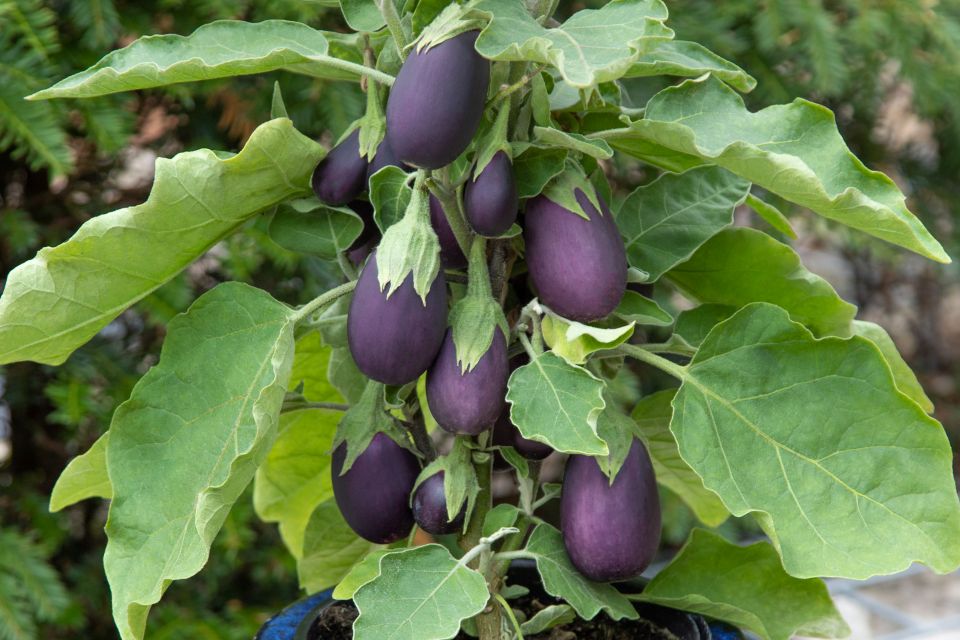
Baby Jack Eggplant has a compact, spineless habit that makes the crop easier to handle and suitable for smaller spaces. | Syngenta
Baby Jack Eggplant brings a similar benefit to a crop that can quickly become large. Its compact, spineless habit makes the plant easier to handle through production and at retail, while still producing an abundance of glossy purple baby eggplants.
Smaller plants still need the right container, water, and fertility. Gonzalez cautions that pot size must still fit the crop. Larger-fruited tomatoes pushed into undersized containers can dry rapidly at retail even when the plant itself stays small.
Nutrition also changes once plants begin carrying a heavy fruit load. Gonzalez recommends feeding heavily once fruit begins to set, rather than pushing high fertility before flowering, which can encourage excessive vegetative growth, stretch, and reduced fruit set.
Those are important distinctions as growers add crops that may look smaller above the pot but still carry the nutritional and water demands of a highly productive vegetable.
Grow for the Retail Bench, Too
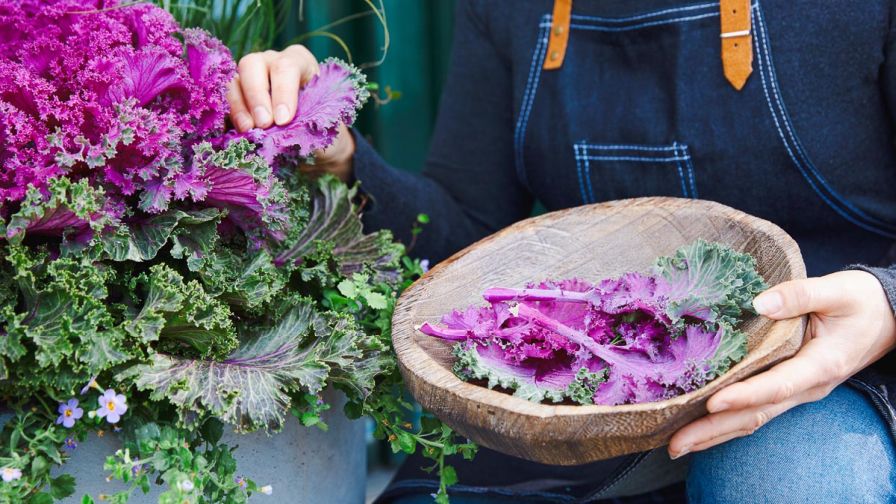
Rainbow Candy Crush kale pairs vivid, highly textured foliage with edible leaves, giving the crop both ornamental and culinary appeal. | Proven Winners
A successful edible crop has to hold together through production, shipping, and retail before a gardener ever gets the chance to harvest it.
Syngenta is prioritizing shelf-holding ability when selecting varieties, including foliage that stays dark green and plants that resist stretching or leaf drop under stress.
Gonzalez says consumers, particularly younger gardeners, are showing interest in plants that already have flowers or developing fruit at retail. That “ready-to-harvest” presentation can give inexperienced gardeners confidence that a crop is already on its way.
But shipping a tomato or pepper with mature fruit requires additional crop time.
Gonzalez says growers producing for colored fruit need to build that into the schedule, while cooler growing conditions or high light levels can help synchronize ripening.
Appearance matters, too.
Akoya Tomato, for example, produces cocktail-size fruit that changes from deep black to bright orange as it ripens.
Proven Harvest’s Rainbow Candy Crush Kale contributes pink, purple, and green foliage along with its edible harvest.
“Ornamental appeal gets the plant into the shopping cart; taste and success build brand loyalty,” Gonzalez says.
Build Reliability Into the Plant
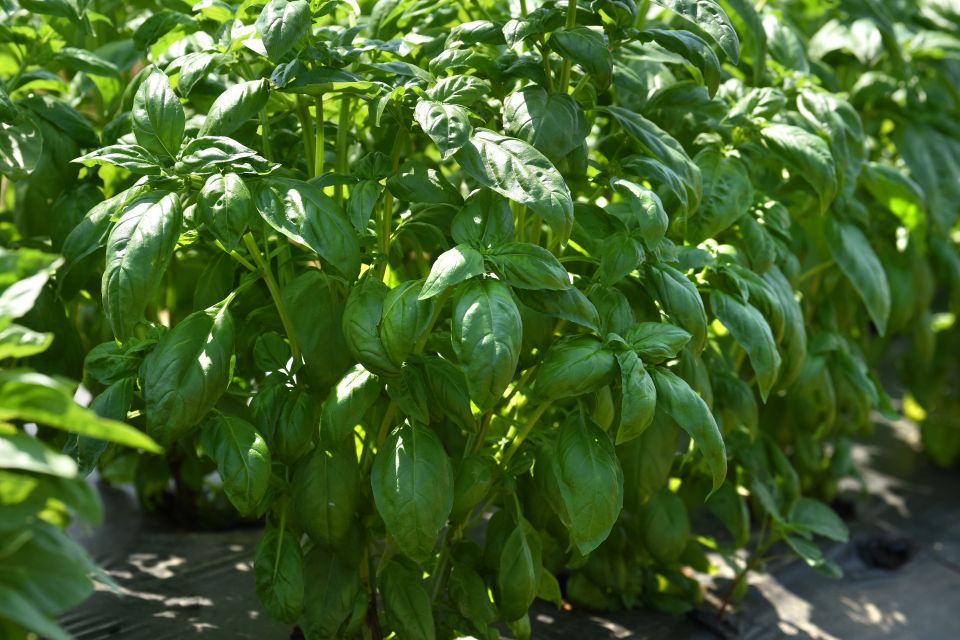
Monteverde™ Genovese Basil combines traditional Genovese flavor with intermediate resistance to downy mildew. | Ball Horticultural Company
Disease resistance and garden durability become particularly valuable when the end consumer may have little experience managing vegetable crops.
Natasha Grosskopf, Vegetables Product Manager at PanAmerican Seed, says disease resistance is only part of the equation.
“These products still need to taste great and maintain the high productivity that growers and consumers expect,” Grosskopf says.
Monteverde Genovese Basil combines Genovese flavor with intermediate resistance to downy mildew. Grosskopf says it can survive longer in the garden than traditional susceptible Genovese varieties while providing more reliable production across different growing systems.
Reliability is also central to the Proven Harvest program. “Varieties in the program have withstood a vigorous trial process in a multitude of environments to ensure their suitability for the home gardener,” says Kate Spirgen, Marketing Communications Manager for Proven Winners.
Proven Harvest’s Tempting Tomatoes Garden Treasure combines heirloom-style flavor with modern disease resistance and tolerance to heat and humidity for continued summer production.
Syngenta is also selecting for extended harvest windows rather than a single flush of fruit. Continuous fruiting gives gardeners a longer harvest instead of concentrating production into a short window.
For Raker-Roberta’s, consistency starts with the seed. Kuhn says high-quality, disease-tested seed and uniform germination are among the characteristics Raker-Roberta’s values most. For growers evaluating newer introductions, she also recommends watching All-America Selections winners as another indicator of proven performance.
What Else Can an Edible Crop Offer?
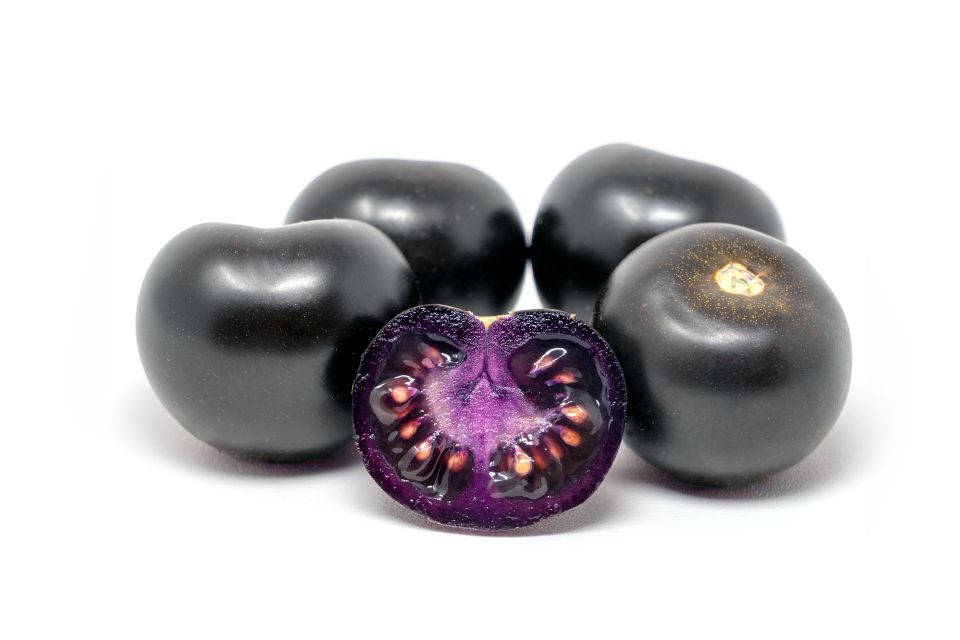
Purple Empress tomato from Norfolk Healthy Produce has deep-purple fruit and elevated anthocyanin levels. | Raker-Roberta’s Young Plants
Health-focused traits are also gaining attention. Kuhn points to the Purple Empress tomato from Norfolk Healthy Produce, which has amplified levels of anthocyanins. She says Raker-Roberta’s is seeing interest in crops offering additional health-related characteristics, with more genetics in development. That pushes the conversation beyond simply making vegetables smaller or more colorful.
For growers, the opportunity lies in crops that are manageable to produce, compelling on the bench, and dependable after purchase. Gardeners may not have more room, but breeders are giving them more ways to put that space to work.
Subscribe to eNewsletter