



How Green Valley Greenhouse Cut Energy and Waste Costs
 October 27, 2026
Green Valley Greenhouse is a 28-acre operation in Minnesota (No. 45 on Greenhouse Grower’s 2026 Top 100 Growers list) growing a wide range of flowering annuals and tropical plants. Like many growers, the team is continually looking for ways to control costs while keeping production on track.
Sustainable Energy Savings, a private energy-consulting firm Green Valley already worked with, connected CFO Phil Johnson with the Minnesota Chamber Environmental Sustainability Foundation. Through its Energy Smart and Waste Wise programs, the Foundation helped identify potential savings and connect the operation with available rebates, grants, and technical assistance.
These resources have helped Green Valley identify and pursue several energy- and waste-saving projects. Other savings emerged from a closer look at materials the operation was routinely paying to throw away.
Improve the Payback on Planned Upgrades
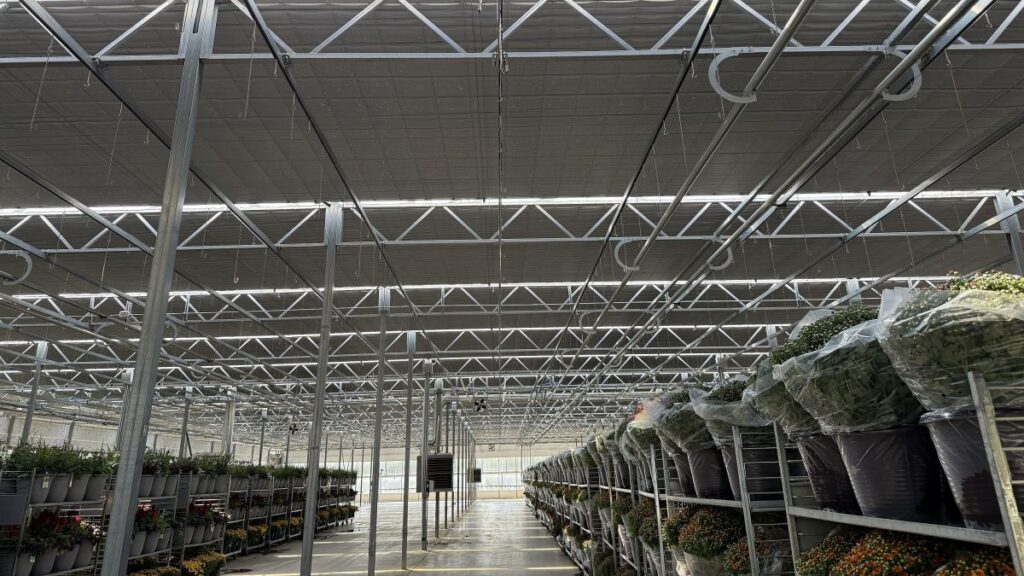
Blackout curtains help reduce heating demand while supporting crop timing. | Green Valley Greenhouse
One example was the installation of blackout curtains in a 2.5-acre greenhouse. Grants from the Minnesota Chamber and the operation’s utility provider helped offset the cost.
“The curtains save about 30% of our heating costs and are used for light interruption on crops to affect the date that they flower,” Johnson says. “They have proven to pay for themselves in a few years in our climate.”
At Green Valley, the curtains save an estimated 1,500 dekatherms of natural gas annually, reducing natural-gas costs by more than $9,000 each year.
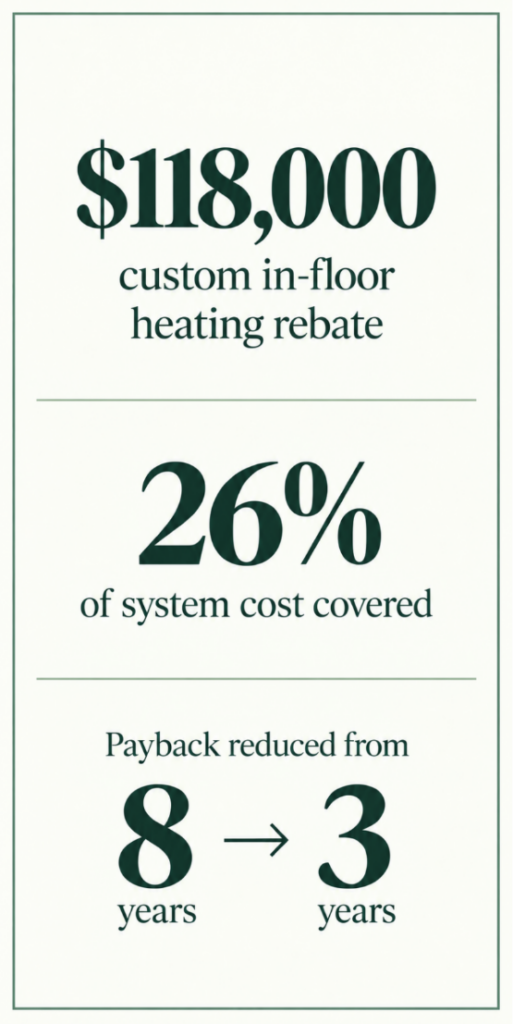
A separate project involved a new greenhouse completed this year. Green Valley received approximately $185,000 in combined rebates for that build from its natural gas utility, electric utility, and the Minnesota Chamber. That total included a $118,000 custom rebate for in-floor radiant heating. The rebate covered 26% of the system cost and reduced the projected payback from eight years to three.
“It was quite a bit more upfront cost to do the in-floor heat than to buy some unit heaters,” Johnson says. “Getting the rebates brought the ROI down to three years and made it a no-brainer.”
Stop Paying to Throw Materials Away
Green Valley’s waste review identified several materials the operation was paying to discard, including greenhouse film, soil bags, pallet wrap, and other packaging.
Greenhouse film, which the operation replaces about every five years, had previously gone into dumpsters. With grant support, Green Valley is purchasing a used plastic baler so the film can be compacted for recycling and picked up at no charge.
Grant funding also helped pay for forklift totes and reusable pallet covers that reduce the need for disposable shrink wrap.
“Often, we’ll make a pallet of pots or other materials and shrink-wrap that pallet,” Johnson says. “With these totes, if we’re going to store something for a period of time, we’ll put the item in the tote, and then we don’t need the shrink wrap.”
Johnson says the changes saved the operation about $6,000 over four months by reducing the amount of plastic film going into its dumpsters.
Where to Start at Your Greenhouse
Check Projects Already on Your List
Before purchasing new equipment or building new space, see whether utility rebates or efficiency incentives could improve the payback period.
Look at What You’re Paying To Throw Away
Review dumpster contents and hauling bills. Some materials may have recycling, reuse, or composting options.
Ask What You’re Buying Repeatedly
Single-use materials can create costs twice — once when they are purchased and again when the operation pays to dispose of them.
Find Local Assistance
Start with your electric or gas utility. DSIRE provides a database of energy-efficiency programs by state, while EPA’s Pollution Prevention Technical Assistance directory can help identify waste-reduction resources. State agencies, local chambers, and regional organizations may also offer assessments, grants, or technical assistance.
Keep More Organic Waste in the Operation
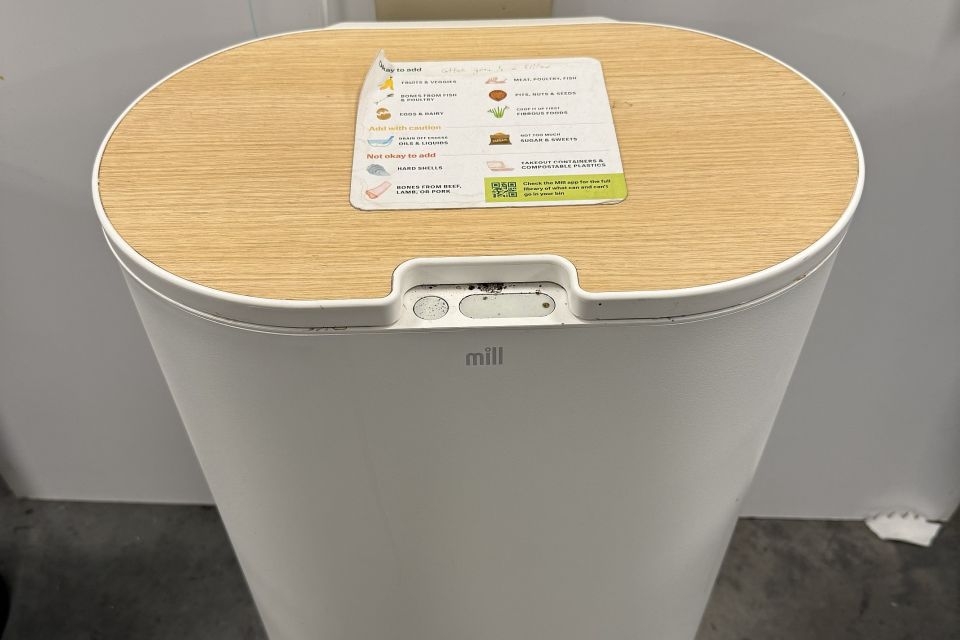
An electric food mill helps process organic waste for composting. | Green Valley Greenhouse
Green Valley was already composting unsaleable plants when the site assessment identified additional organic waste that could be diverted from the trash.
Grant funding helped cover an electric food mill and waste-collection containers. The mill allows that material to enter the operation’s existing compost stream, and the finished compost is reused in the greenhouse.
Johnson says the site visit identified ways to reduce the trash bill without requiring much additional effort.
Make Sure the Savings Still Make Sense
Johnson says cost savings still have to make sense operationally.
“I like to save pennies wherever we can save them; however, we don’t want to spend extra labor to save $2,” he says. “But if you change your process on something and it results in savings, I think it’s worthwhile to go after these programs, save some money, and reduce waste.”
Subscribe to eNewsletter