



Why Growers Need Faster Access to Biological Alternatives
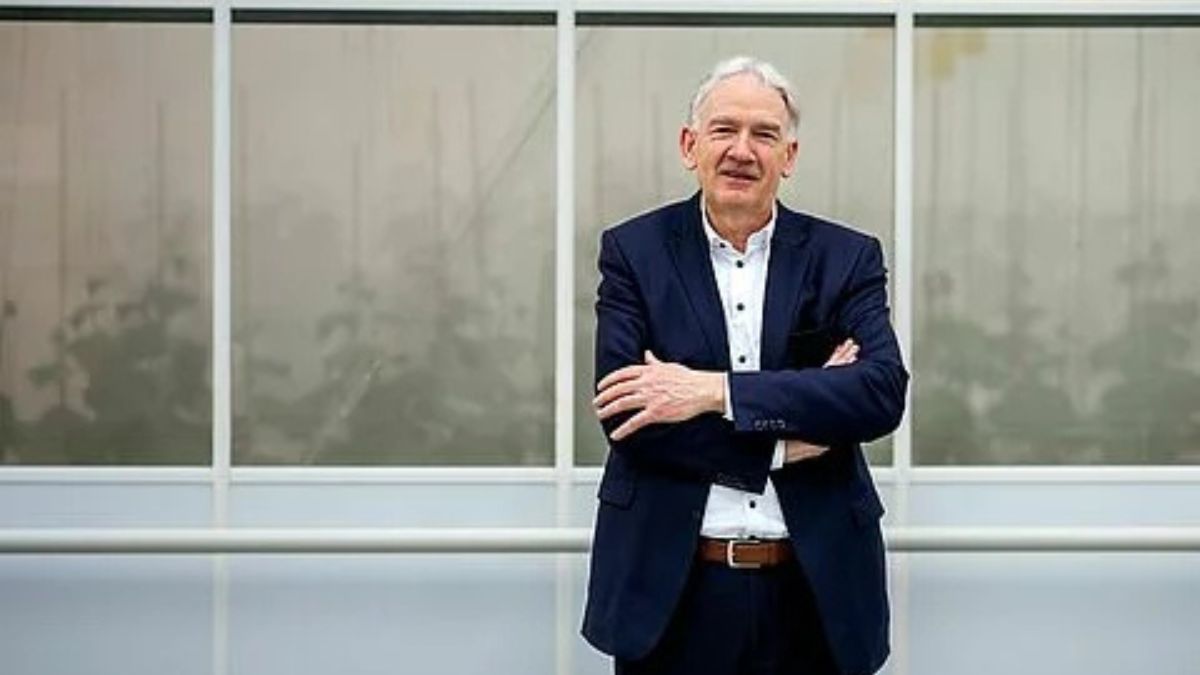
Sustainability Director Peter Maes. | Koppert
The following is an opinion piece by Peter Maes, Sustainability Director at Koppert:
Every year, growers and farmers are asked to do more with less. They are expected to reduce pesticide use, strengthen environmental performance and build more resilient farming systems, all while remaining productive and economically viable. Yet many of the biological alternatives that can help achieve those goals still take years to reach the market.
The result is a paradox. Growers are encouraged to adopt more sustainable practices, but the tools needed to support that transition often take eight to ten years to reach the field.
A Timely Opportunity To Modernize Regulation
A new proposal from the European Commission could help change that. As part of its Omnibus package on crop protection, it seeks to modernize approval procedures for biological crop protection products, while maintaining Europe’s strict environmental, health, and food safety standards. In practice, this means creating a more tailored approval process for biological products, which generally present different risk profiles than conventional synthetic pesticides.
That matters because the pressure on agriculture is only increasing. Climate change is reshaping growing conditions. Environmental expectations continue to rise. At the same time, food security and resilient food production have returned to the center of Europe’s political agenda.
In several countries, the public and political debate is increasingly focused on other, more controversial aspects of the Omnibus package. As a result, one of its most constructive reforms risks being overlooked. That would be a big mistake.
Biological Solutions Already Work at Scale
For years, policymakers have encouraged growers and farmers to move towards more sustainable forms of crop protection. But many biological solutions still face approval procedures originally designed for conventional chemical pesticides.
Yet we already know that biological solutions can work at scale. The Netherlands demonstrates this every day. In greenhouse horticulture, biological crop protection has become standard practice rather than an experimental alternative. Beneficial insects and naturally occurring microorganisms are widely used to manage pests while reducing dependence on conventional chemical interventions. Dutch growers have shown that productivity and sustainability can go hand in hand. However, here too, growers are calling for more biological alternatives, which are now stuck in the regulatory framework.
In countries such as Brazil, we also see that farmers are switching to biological alternatives when they become available. There, it takes about two years to get a biological control product registered. In soy, corn, and sugar cane, we see farmers gratefully making use of these alternatives.
Sustainability Goals Require Effective Alternatives
This is not merely an industry perspective. The EU Strategic Dialogue on the Future of Agriculture, which brought together farmers, scientists, environmental organizations, consumers, and industry representatives, concluded that sustainability goals cannot be achieved unless farmers have access to effective and scalable alternatives. Biological crop protection was explicitly recognized as part of the solution. The challenge now is ensuring that recognition is reflected in policy and practice.
Europe cannot claim leadership in sustainable agriculture while biological innovative alternatives remain unnecessarily delayed by regulatory procedures that were never designed for them.
This is not only an environmental question. It is also a question of competitiveness, resilience, and food security.
Biocontrol Must Not Become Collateral Damage
Opposition to the Omnibus proposal is growing. Much of that criticism is driven by concerns about provisions affecting conventional synthetic crop protection products rather than biocontrol itself.
Those concerns deserve serious consideration. Questions about environmental safeguards, regulatory oversight, and the future role of conventional pesticides should be openly debated. But that debate should not obscure the value of reforms that can accelerate access to biological alternatives.
If the Omnibus proposal becomes a simple political choice between accepting or rejecting the entire package, Europe risks losing progress in precisely those areas where progress is both possible and urgently needed.

To read the rest of Peter Maes’ opinion piece on bringing biological alternatives to the industry, including a look at the importance of environmental safeguards and how high standards for biocontrols can be paired with fast innovations, click here.
Subscribe to eNewsletter