



Highlights from 2025 Field Trials: Massachusetts Horticultural Society
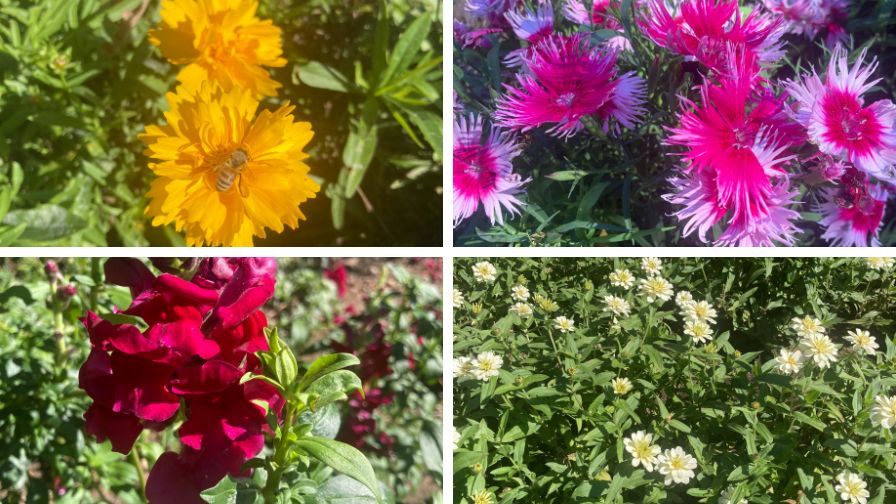
(Clockwise from top left) Coreopsis, dianthus, snapdragons, and zinnia at the Garden at Elm Bank. | James Denman, Massachusetts Horticultural Society
(Information provided by James Denman, Horticulturist)
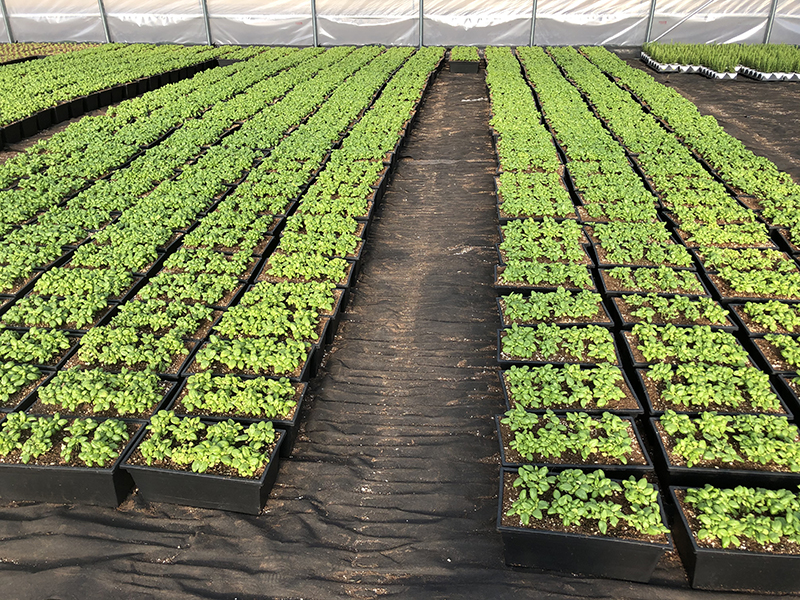
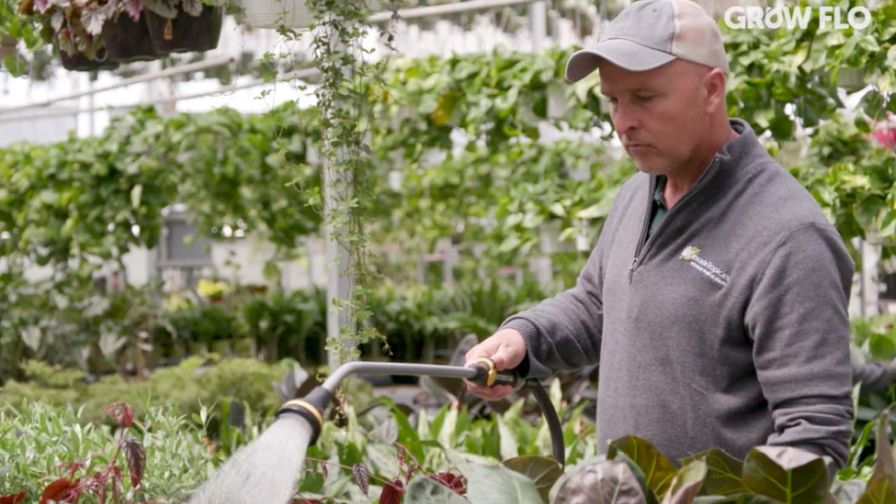
The 2025 trial season at the Garden at Elm Bank began with regular rain each week, then shifted into a pattern that has become increasingly familiar: primarily hot and dry. These drier summers are becoming the norm for the area, and having very little rain for most of the season meant the trials needed frequent supplemental watering to thrive.
This year, we had a total of thirteen trials. The lineup included:
- Amaranth
- Calendula
- Dianthus
- Impatiens
- Kale
- Marigolds
- Pentas
- Snapdragons
- Sunflowers
- Verbena
- Zinnias
- And two varieties of coreopsis
Almost every trial performed was equivalent to or superior to the plants they were being compared to, with the one exception being the sunflowers. Overall, the top three performers were:


- Dianthus
- Impatiens
- Zinnias
The greatest challenge the team faced during field trials this year was an issue with leaf spots on the marigolds. Before this problem arose, the trial marigolds were among the top performers. The worst plants were pulled out, and the remaining ones were closely monitored. Watering practices were adjusted to keep foliage as dry as possible and reduce the potential for further disease. Notably, the marigold variety being trialed appeared to be the most resilient to the issue, even under pressure.
Plants That Impressed at the Garden at Elm Bank
One of the finest performers at the Garden at Elm Bank was the impatiens. They were consistently lush with blooms and outperformed their comparison in bloom color, bloom longevity, and consistency of growth habit.
The zinnia trial plants were also impressive. They were smaller than their comparisons but had blooms that were just as prolific, offering a compact yet floriferous option for beds and borders.
Lastly, the dianthus delivered stunning blooms in a range of colors, including magenta, white, and light pink. With this color range and a slightly taller habit than the comparison, the dianthus was a true showstopper.
All three of these plants tolerated full sun and high temperatures remarkably well, rarely showing signs of stress even in the heat of the season.

For more 2025 field trials information and variety highlights, click here.
Subscribe to eNewsletter
