AmericanHort is actively assisting affected plant breeders, distributors, growers, and retailers as the genetically modified petunia regulatory response […]
Please take a few minutes to answer Greenhouse Grower’s 2017 Spring Recap Survey. The deadline for completing the survey is June 20.
“Hot New Perennials for 2018” is a compilation of information shared with Eason from a broad range of perennial young plant producers, breeding companies, and breeder representatives.
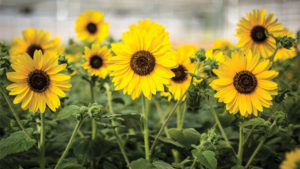
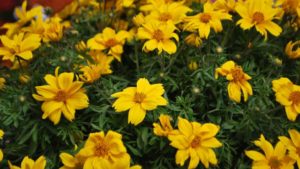
Anne Roberts of Meadow View Growers says growers in northern states can take advantage of cooler temperatures early in the season and grow BeeDance Bidens varieties with less heat.
The new campaigns include a focus on Danziger’s Amore petunia series, using videos and displays to help attendees “share their love” for Amore.
In his latest column, Allan Armitage says perhaps we should, as an industry, extend our hands to our youngest members. We might be pleasantly surprised what happens.
Now that the initial shock of genetically engineered petunias is wearing off, breeders continue testing for tainted stock and look toward the future. On the consumer side, uncertainties remain.
On May 2, 2017, USDA-APHIS was informed that an orange petunia variety was potentially genetically engineered and had been imported and moved interstate without required authorization by APHIS. This led to testing of numerous petunia varieties, which confirmed this particular variety and several others are genetically engineered, and meet the regulatory definition of a regulated article under APHIS regulations. APHIS continues to work with the industry to ensure unauthorized GE petunias are not distributed in the United States.
AmericanHort’s key role interfacing with the USDA on the recall of genetically modified petunias has helped the horticulture industry rapidly address the problem. Senior Vice President Craig Regelbrugge talks about recent updates, the impact on the industry, and where it goes from here.
The report features genetics from 21 different breeding companies and information gathered from the 15 different stops on this year’s tour.
Grasses and sedges provide food, shelter, and support for pollinators and the birds and mammals that keep insect populations in balance.
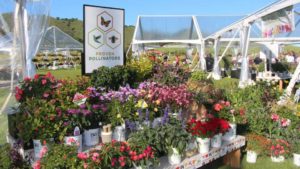
The popularity of native plants is rising as gardeners become conscious of the need to plant more pollinator gardens. The challenge is to select the right plants to put in them.
Our industry does a good job of making things convenient for our customers. It’s time to take it a step further.