The single largest component of the nation’s waste stream by weight is food waste. Here is what you need to consider before implementing a food waste collection system at your business.
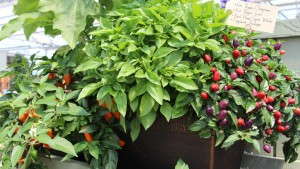
For the past four years, Vegetalis has presented container vegetable crops at Spring Trials, and while growers and retailers have been excited about Vegetalis’ offerings, there haven’t been enough sales. So this year, the company is working on a few new marketing concepts to bring Vegetalis’ considerable number of container veggies to retailers nationwide.
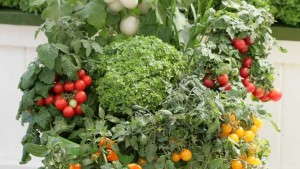
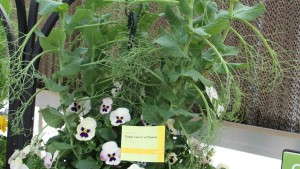
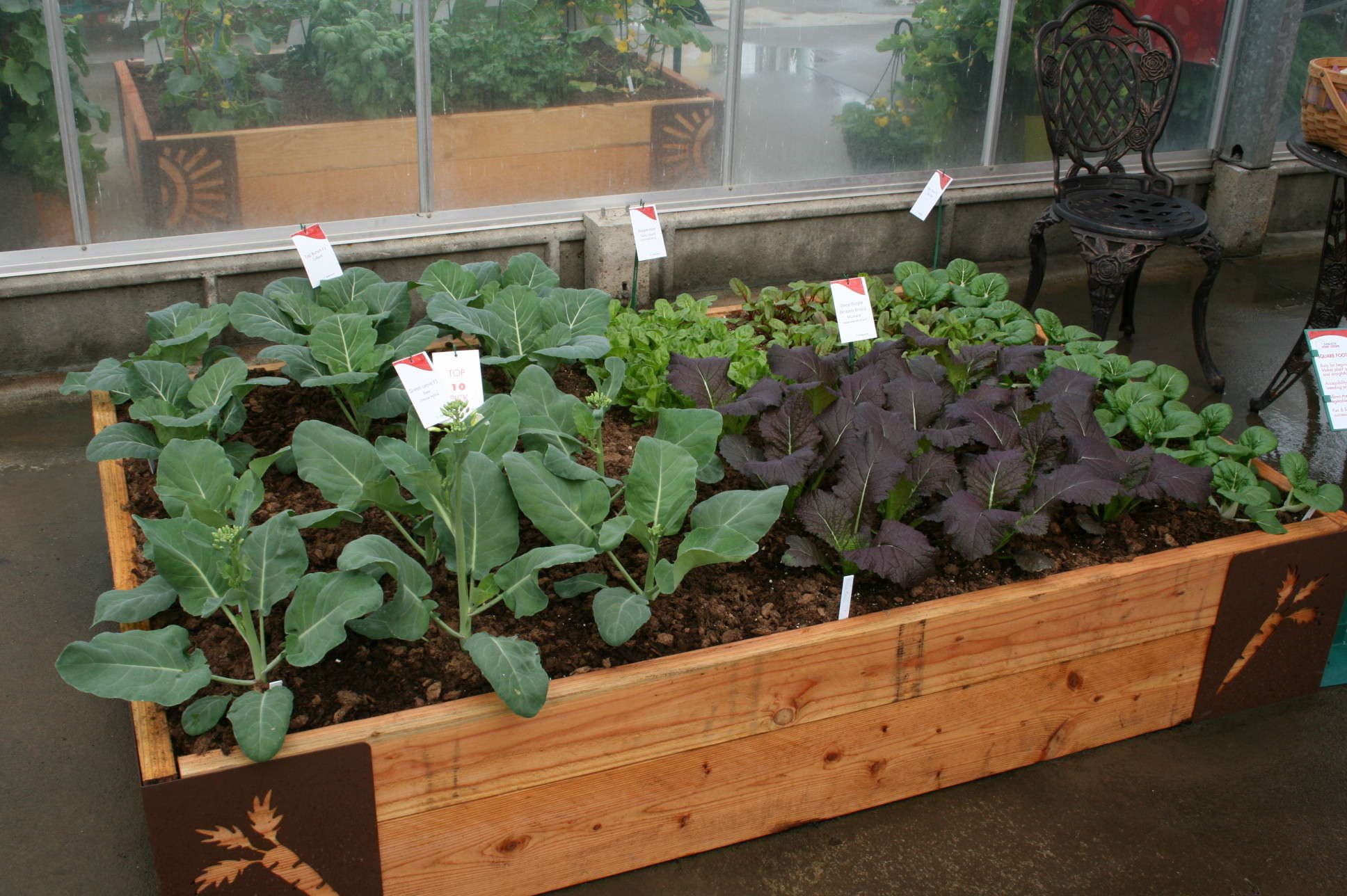
Veggies were a big feature of the tour at Syngenta Flowers’ California Spring Trials stop, where Greenhouse Grower editors visited Monday. Jeanine Bogard, Syngenta’s business product manager, highlighted four types of veggie gardens that demonstrate how today’s consumers will likely use vegetables.
The newly established non-profit Circle Fresh Institute will offer anyone the opportunity to learn commercial organic production practices.
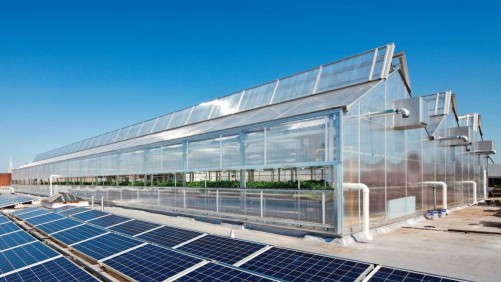
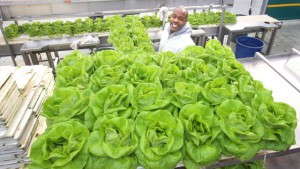
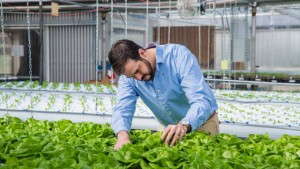
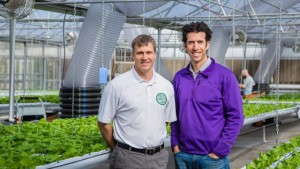
In the last three years, Circle Fresh Farms has built its growing network to 20 acres of greenhouse space, serving up local, organic, hydroponic vegetables to high-end grocers like Whole Foods and upscale restaurants in Colorado. Circle Fresh Farms is well on its way toward fulfilling an ambitious expansion plan, to supply local markets in cities nationwide.

Syngenta selected three recipients from more than 200 entries for the inaugural year of its Syngenta Grow More Vegetables seed grant program. The program assists recipients in establishing gardens and promoting benefits of vegetable production and consumption to local communities.
Learn about which vegetable and herb crops are susceptible to powdery mildew and how to prevent and control it.
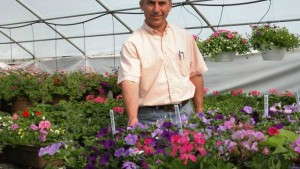
Konjoian’s Greenhouse has come full circle, from growing vegetables in its early years, to growing flowers and back again. Here’s why its owners think food is the future for this operation.
Packed with old-fashioned flavor and modern productivity, your customers are sure to fall for these new veggies.
The popularity of fresh vegetables for the garden and table continues to rise, along with the possibilities for growers to get in on the trend.
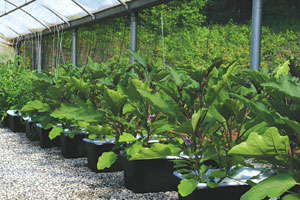
A growing consumer desire for locally grown produce is one reason greenhouse ornamentals producers should consider vegetable production.
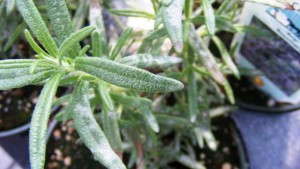
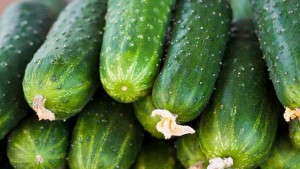
Switching over to tomato, cucumber or pepper production can be a big change for any greenhouse. These crops have long production cycles and may not fit as easily into windows of opportunity between ornamental production cycles. However, culinary herbs are a relatively quick and can easily be grown in simple hydroponic systems.
The U.S. Department of Agriculture (USDA) released new figures that show the organic industry continues to grow domestically […]