Biological chemistry manufacturers have introduced several new products recently that offer a range of insect and disease management options. Here’s a look at some of them.
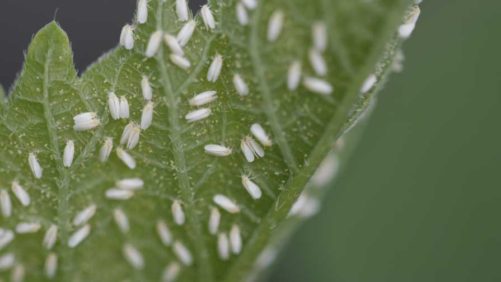
Reports have come from the Florida Keys to Palm Beach County that whitefly populations in landscapes are reaching unprecedented levels and are not responding to pesticide applications. Biotype-Q has been found in four different communities. University of Florida/Institute of Food and Agricultural Science researchers are working with USDA-APHIS, USDA-ARS, the Florida Department of Agriculture, and growers and landscape professionals to manage the developing problem.
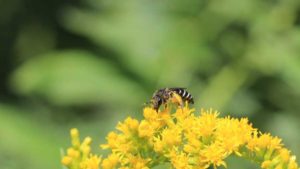
The guide, produced by a team of researchers from Michigan State University and elsewhere, includes information on plants that attract pollinators and offer an ideal habitat.
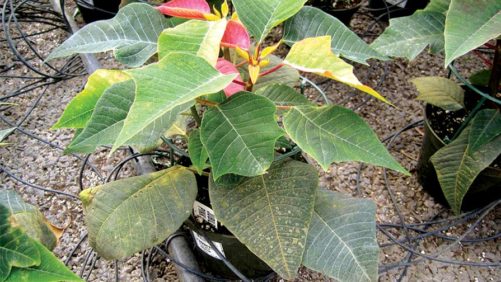
In standard greenhouse fertilizers, nitrogen is supplied as ammonium, nitrate, or urea. Each of these three nitrogen sources, when taken up by plant roots, produces different chemical reactions with differing effects on the growing medium pH.
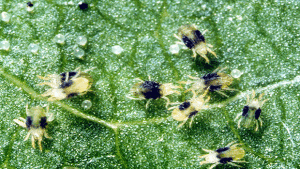
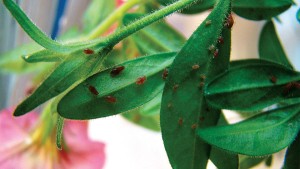
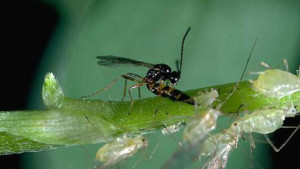
When untreated, aphids damage ornamental crops and act as vectors for disease. Integrated Pest Management combined with vigilant scouting can help you stay ahead of the problem.
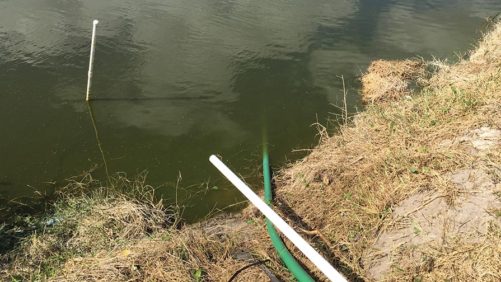
This is the first article in a series of case studies designed to help growers
reduce, remediate, and recycle irrigation water as part of a multi-state research
grant (CleanWateR3.org).
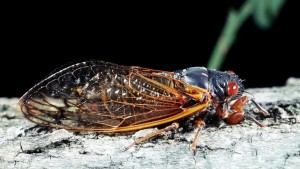
While there’s no immediate cause for alarm, experts say the cicada’s egg-laying process can damage woody ornamentals and make them vulnerable to diseases.
The use of plant growth regulators may negatively influence the outcome of biological control programs, according to researchers at North Carolina State University.
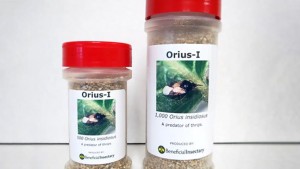
The company is now producing Orius insidiosus, Dalotia coriaria, and Dicyphus hesperus at its California facility, reducing the transit time of perishable biocontrols between producer and grower.