Production
Mastering Nematode Management for High-Value Ornamental Crops
December 1, 2025
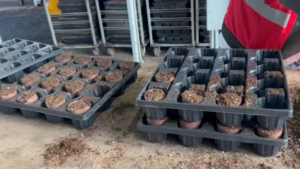
In the third of a four-part series, University of Georgia Ornamental Specialist Ping Yu outlines how biochar can both reduce the likelihood of disease and minimize infection rates.
The third of a three-part series looks at managing regulations and tariffs, and new innovations in the peat industry.
It’s important that growers prepare their greenhouse heaters for overwintering to keep plants healthy and prevent equipment failure.
In Part 5 of a series of articles featuring insights from growing media suppliers, we look at how demand for different substrate materials has changed over the past few years.
American Floral Endowment’s next Grow Pro webinar covers biostimulants usage to enhance plant growth and tips for more consistent success.
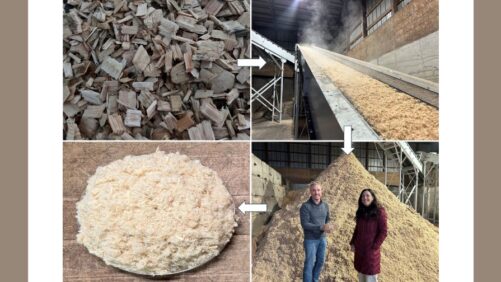
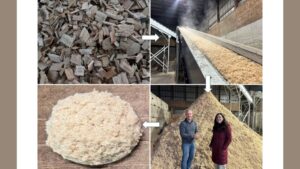
This is the first article in a six-part series exploring the sourcing, engineering, and use of engineered wood substrates.
In Part 4 of a series of articles featuring insights from growing media suppliers, we look at recommendations on how to get the best performance out of your material.
The second of a three-part series looks at sustainability and restoration efforts made in response to the climate effects of peat extraction.
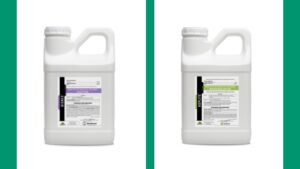
Trefinti nematicide/fungicide is developed for the prevention and control of foliar and root-feeding nematodes in ornamentals.
In Part 3 of a series of articles featuring insights from growing media suppliers, we look at how both growers and suppliers must consider several factors when weighing a shift to a peat alternative.
In Part 2 of a series of articles featuring insights from growing media suppliers, we look at how tariffs could affect substrate availability.
The first of a three-part series looks at how Canada’s peat industry is balancing rising demand with long-term restoration goals.
In Part 1 of a series of articles featuring insights from growing media suppliers, we look at the current and future state of peat supplies.