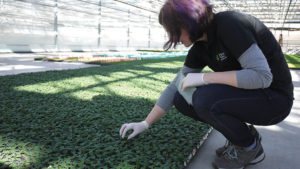
Obtaining optimal results with plant growth regulators is a combination of art and science. Here’s how a few manufacturers are helping to bring the two together.
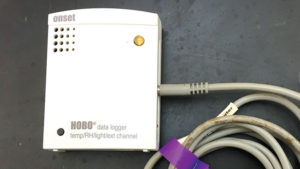
The fifth article of this five-part series about the tools you need to measure environmental and cultural parameters in your greenhouse, you will learn why you should be using data loggers and how to best put them to use.
The funding will be used to examine ways to prevent the introduction or spread of invasive plant pests and diseases that threaten U.S. agriculture and the environment.
Valena, a soil amendment sourced from a proprietary strain of Euglena gracilis (algae) rich in beta-glucan, is designed to support the growth of healthy and strong plants.
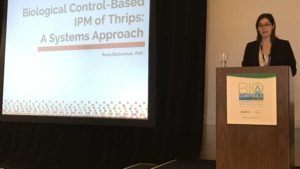
Biological control has moved into the mainstream for greenhouse growers. And the timing couldn’t be better, as consumer demands for more sustainable production methods for the plants they buy are moving back upstream.
All growers deal with the possibility of damaging disease issues in the greenhouse. Here’s how Pleasant View Gardens makes sure its greenhouse crops stay disease-free.