



The Time Between Crops Matters More Than You Think
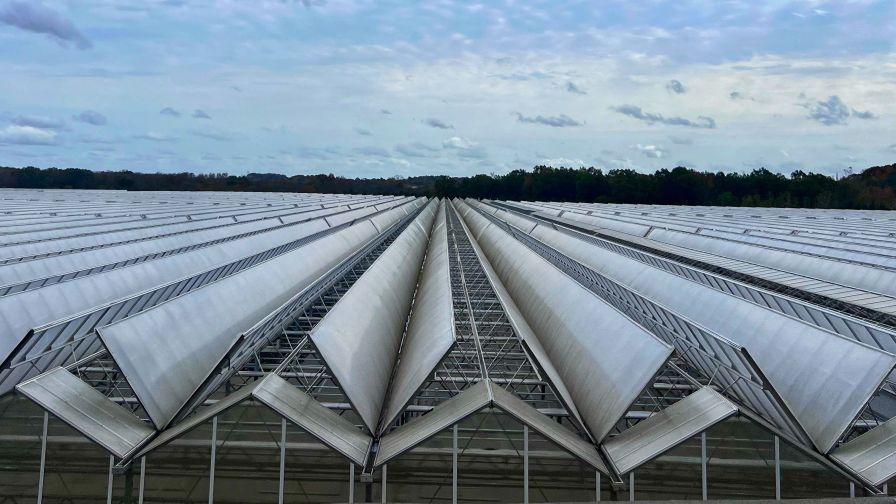
A clean, empty greenhouse between production cycles. Transition time is a critical and often overlooked phase for sanitation, recalibration, and system health. | Brandan A. Shur
In controlled environment agriculture (CEA) production, most of the focus tends to stay on the crop itself: when it’s planted, when it flowers, when it’s harvested. But the time between harvesting one crop and planting another rarely gets the same attention. For many operations, this short window is treated as a gap to rush through rather than a strategic phase to manage with intention.
The time between crops might only last a few days, but its impact can be felt for weeks. If it’s handled well, it sets up the next crop for consistency and success. If it’s skipped over or rushed, the issues it leaves behind have a way of catching up later.
The Hidden Influence of a Rushed Turnover
Growers understand the pressure to minimize downtime. However, moving too fast can leave lasting residue from the previous crop, including:
- Algae
- Pests
- Root debris
- Salts
These leftovers don’t always cause immediate problems. They may quietly affect the early establishment phase, often in ways that aren’t visible until mid-cycle. Slightly uneven germination, early nutrient imbalances, pest outbreaks, and pockets of stunted growth can all be symptoms of a system that fails to fully reset.

The goal of this window shouldn’t just be speed — it should be clarity. A clean and recalibrated system saves far more time than it takes to prepare.
Sanitation Sets the Tone for the Next Cycle
Thorough sanitation is one of the most effective uses of transition time, but it’s also one of the easiest to cut short. Surfaces may look clean, but hidden buildup in drains, channels, and irrigation lines often lingers unless it’s intentionally addressed.
This is the ideal time to flush out biofilm, scrub off algae, and clear any salt deposits. It’s also a good moment to inspect areas that are hard to reach when crops are growing, such as behind emitters, under benches, or in reservoir corners that don’t drain fully.
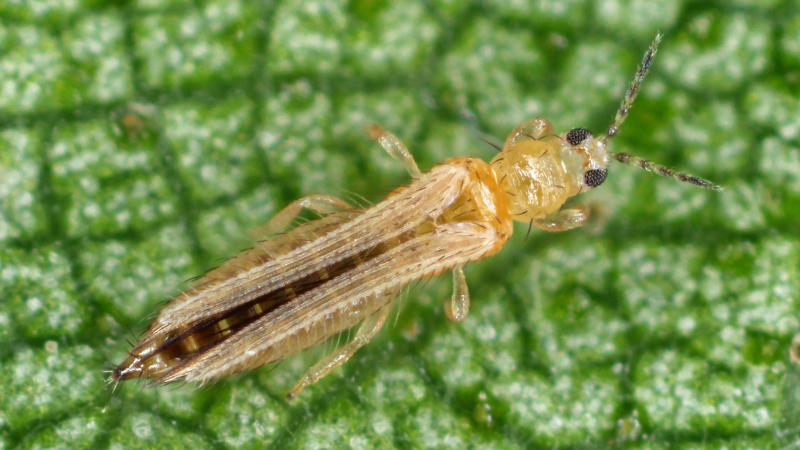
In systems with persistent insect pressure, even a short fallow period can help disrupt the cycle. Leaving a cleaned system without plants for seven to 10 days, while removing all weeds and volunteer plants, can deprive pests of food and habitat and interrupt reproduction. This can be especially useful for managing thrips, whiteflies, and aphids, which often rely on continuous access to plant material to maintain population growth. When paired with deep sanitation, this short pause can reset both the system and its pest pressure.
Workflow Lessons Surface During Transition
Crop turnover can be one of the easiest phases for disorganization to creep in. When teardown, cleaning, and transplanting all happen at once, labor gets stretched thin, and small mistakes can slip in. These might include sensors that go uncalibrated, lines that aren’t fully flushed, or leaks that are patched temporarily but never properly fixed.
Instead of forcing too much into too short a window, growers can benefit from assigning clear roles during turnover. Even a brief pause of one or two extra days can allow the team to move with more focus. That time can be used not just to clean, but to step back, confirm systems are functioning properly, and address issues that tend to accumulate silently over the course of a season.
For additional information on managing the time between crop transitions, please read the original article on our sister site, CEAg World.
Subscribe to eNewsletter