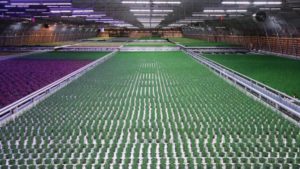
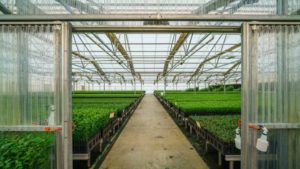
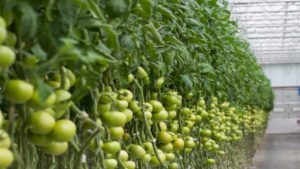
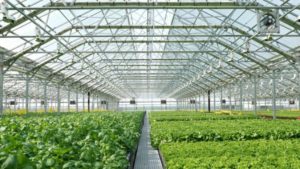
Much of the focus at Greenhouse Grower’s GROW Executive Summit was on the vast potential of controlled-environment agriculture for vegetable production.
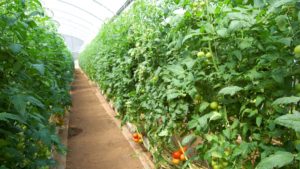
Filtering good information from uninformed opinions can help open your minds to alternative methods of controlled-environment growing and new opportunities.
The threat of a deadly disease drove California’s TreeSource Citrus Nursery to shift all of its growing into greenhouses. Years later, the move has paid off in big ways.
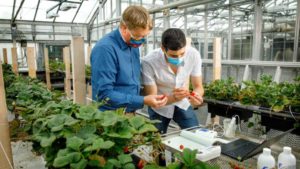
Two horticulture experts at Cornell University will use a USDA grant to help design pathways to training and employment for prospective horticulture employees.
CEA has emerged as a viable agricultural practice over the past 50 years, and an important tool for feeding the world. So how did it happen, and what can you learn from it?
Food safety scares, such as in the case of the past year’s troubles with E. coli outbreaks in romaine lettuce, continue to cause issues in the food supply. And consumers just aren’t tolerating it anymore.