The Ontario Greenhouse Vegetable Growers is partnering with the University of Windsor and Kruger Energy to investigate using wind farms to power and heat greenhouses in Southwestern Ontario.
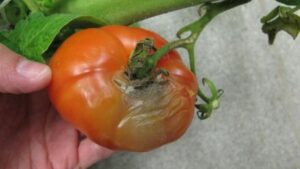
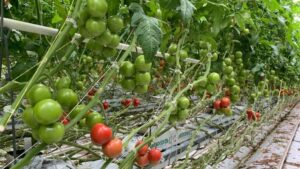
Since no processing market exists for greenhouse tomatoes and cucumbers, edible products with any amount of discoloration or other defect are either landfilled or allowed to decompose.
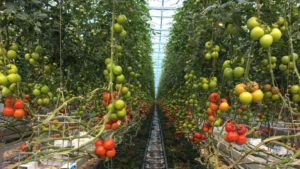
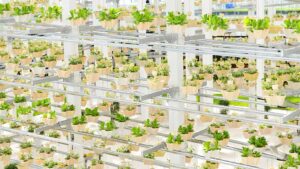
Production of produce in a controlled environment helps growers eliminate variability and avoid some factors that could have a detrimental impact on crop production.
Research that could potentially divert thousands of tons of greenhouse vegetable production waste from landfills is showing early promising results in Canada.
The Ontario Greenhouse Vegetable Growers is asking governments on both sides of the border to consider unintended consequences of supply chain policy decisions on its industry.
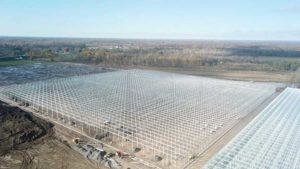
The greenhouse vegetable market is continuing to evolve at a rapid pace, and to keep up with this growth, growing operations have been in constant expansion mode.
The rapidly expanding greenhouse vegetable market is forcing many growers to consider their long-term future. Here’s why growing new crops may be the answer.