The COVID-19 pandemic has made edibles a much sought-after category among consumers who have spent hours at home and are looking to not just garden more, but consume what they are growing.
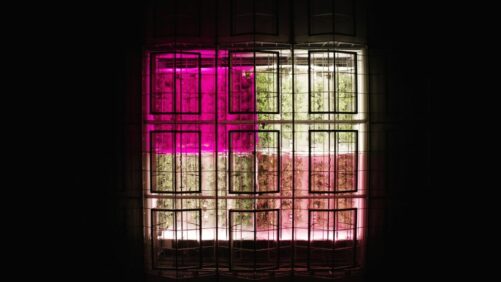
Along with acquiring New England-based lēf Farms, the move is designed to solidify BrightFarms’ leadership in the indoor ag space and provide a foundation to accelerate growth.
Mastronardi Produce Ltd. and AppHarvest have announced a new endeavor that will further strengthen their relationship and cement their leadership as visionaries in the ag tech sector.
The current market for leafy greens in North America is estimated to be worth about $15 billion, and this number is likely to increase as new trends come on the horizon.
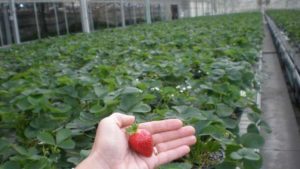
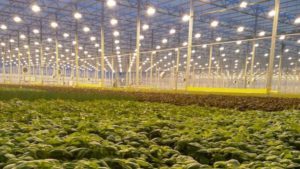
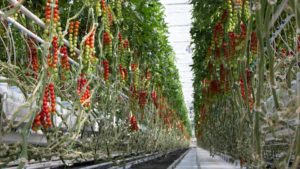
The controlled-environment segment in the fresh produce industry is growing rapidly, with new greenhouse growers entering the industry and long-standing growers expanding their operations.
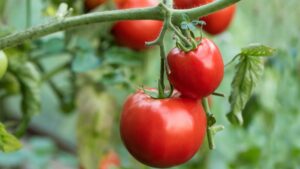
The Waste Me Nots program hopes to normalize the sale of produce with natural dents, bends, and curves while providing food to consumers at a lower cost.