Page 1 of 1
The Ultimate Grower Climate Control System from BioTherm aims to optimize every aspect of environmental management in operations.
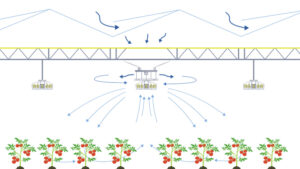
By improving insulation, using thermal screens, and installing active dehumidification, growers can control humidity without introducing external air.
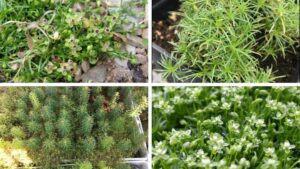
Dr. Debalina Saha and Supti Mou of Michigan State University offer tips on managing Birdeye pearlwort in greenhouse container production.
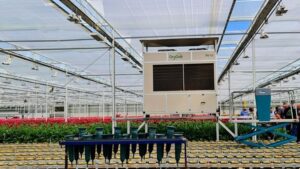
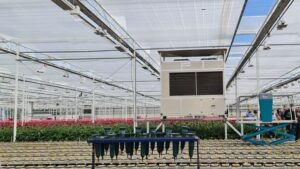
Flower production in greenhouses have begun to adopt new equipment practices such as active dehumidification to conserve energy.
The third module in the GLASE consortium’s 2023 Virtual Climate Controls Short Course focuses on humidity control systems and vapor pressure deficit.
Understanding the details of humidity can help growers avoid creating conditions that cause unnecessary condensation dripping onto or forming on crops.
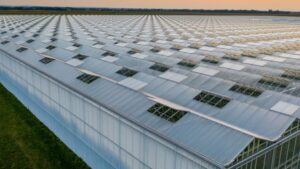
The new technology combines multiples systems to help keep the greenhouse climate not only homogenous but also compliant with light pollution regulations.
Humidity in a greenhouse is necessary, but controlling it is crucial to preventing plant stress and negative side effects like fungus, mold, or mildew.
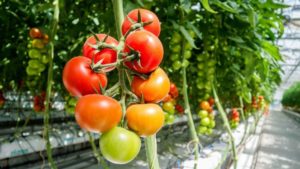
Anything you can do up front to prevent diseases from getting a foothold gives you an advantage in keeping your greenhouse tomato plants healthy and productive.

The GLASE consortium is hosting a series of webinars designed to educate growers on best practices to manage their greenhouse environment.
Dramm is partnering with Vifra, specialists in humidity management, to offer Vifra solutions to North American growers.