The Society of American Florists claim that the EPA isn’t taking into account the impact new rules will have on the floriculture industry.
To align with its mission, the AFE has revealed its slate of funding for new and continuing 2024-2025 research projects.
Recent findings from the Sainsbury Laboratory of Cambridge have found a plant drought-survival mechanism to be useful as pest control.
Dr. Rose Buitenhuis of the Vineland Research and Innovation Centre discusses the factors that contribute to biocontrol program failure in this week’s video.
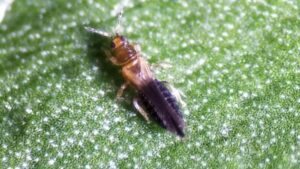
The ability to control the growing spread and associated problems of Thrips parvispinus has been a top priority for the HRI.
Michigan State University Extension has updated its disease and insect management control guides for the 2024 greenhouse season.
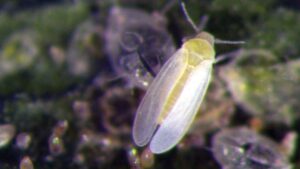
Each year, greenhouse growers face challenges in keeping plants free from insect damage. Fortunately, there are several new crop protection tools and resources available.
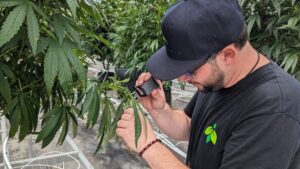
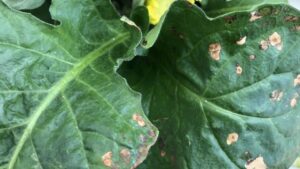
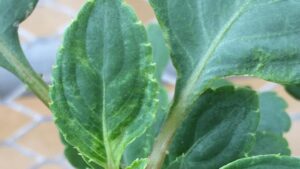
Correctly identifying the cause of a problem is the first step in effective and economic management practices.
BASF has received new label registration for its Velifer Bioinsecticide/Miticide, which allows greenhouse growers to use the product in soil-directed sprays and now in dips and drench applications.
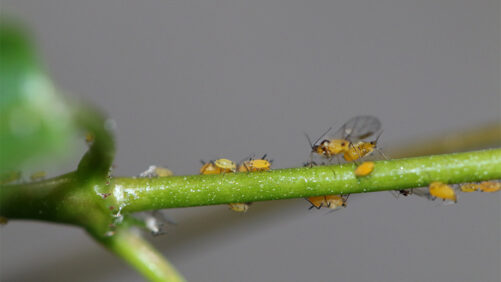
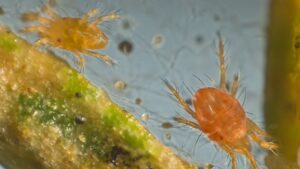
Basin, derived from modified spider venom, targets a range of destructive crop pests including aphids, mites, and whiteflies.
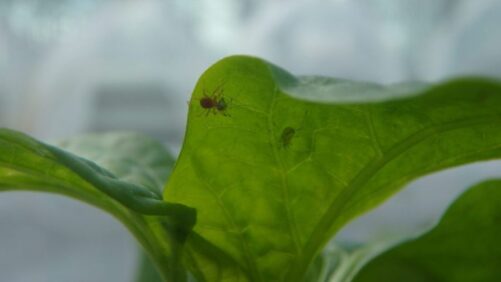
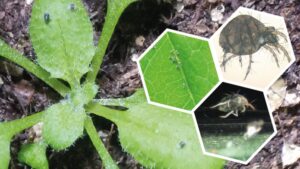
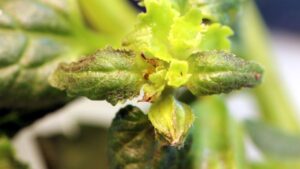
Broad mites can be a regular occurrence in spring crops, especially Reiger begonias and New Guinea impatiens.
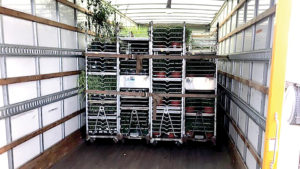
Ensuring your crops are protected from propagation to shipping is essential, and a proven agronomic program can help set you up for a successful season.

ClearLeaf is an insecticide/miticide that contains two active ingredients, including Tau-fluvalinate, Abamectin, and a synergist.