Newsletter Benchrunner Friday How Greenhouse Lighting Is Evolving to Meet Grower Needs By Brian D. Sparks|October 22, 2026
Management Greenhouse Megastore Returns to George Family Ownership By Greenhouse Grower staff|October 22, 2026
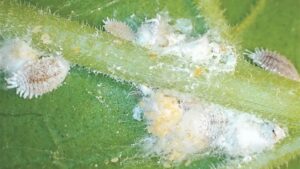
Learning Opportunity: Pest Management Practices for Mealybug Populations By Nick Matysik|January 9, 2025 American Floral Endowment’s next Grow Pro webinar covers strategies to manage mealybug populations in greenhouses.
Trends in Crop Protection to Watch in 2025 By Andy Wilcox|January 7, 2025 There are multiple outside forces that play big roles in shaping the future of crop protection in the industry.
Entocare Beneficial Insect Business Now Under Andermatt Ownership By Andermatt Group|December 23, 2024 The acquisition, effective as of Jan. 1, 2025, strengthens Andermatt Group’s line of biological plant protection solutions.
Why Biological Crop Protection Was Added to WUR’s Autonomous Greenhouse Challenge By CEAg World | Wageningen University and Research|December 5, 2024 Here’s why Wageningen University & Research made biological crop protection a part of its fourth annual Autonomous Greenhouse Challenge.
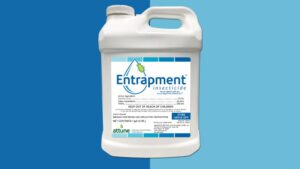
Entrapment Insecticide a New Control Method for Specialty Crop Growers By Attune Agriculture|December 3, 2024 The Entrapment line of insecticides from Attune Agriculture provides a wholly physical mode of pest control action.
Syngenta Announces New Insecticide for Enhanced Ornamental Pest Control By Syngenta|August 16, 2024 Mainspring Xtra has two modes of action for fast-acting and broader pest control in greenhouse and nursery operations.
How to Keep Your Tropical Plants Clean From Pests By Greenhouse Grower staff|August 15, 2024 Follow these technical tips to keep insects and diseases out of your tropical crops this season.
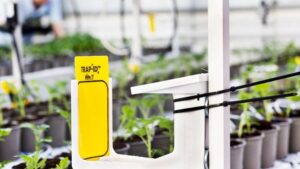
Video of the Week: Physical Traps as Part of a Practical IPM Plan By Nick Matysik|August 8, 2024 Vineland and OMAFRA look at the benefits of mass trapping through sticky traps as part of an integrated pest management (IPM) strategy.
Atticus EcoCore Division Grows with New Products and Hires By Atticus|July 19, 2024 The company’s EcoCore Division announced new developments, including three products and the hiring of Ty Ferraro as Senior Business Director.
A Proactive Pest Management Guide for Greenhouse Production By Nancy Rechcigl, Syngenta|July 9, 2024 Nancy Rechcigl of Syngenta explains the best scouting and production techniques to keep your greenhouse pest-free.
How the Top 100 Growers Face Production Challenges By Brian D. Sparks|July 3, 2024 The largest growers in the country share insights on transportation, logistics, pests, and diseases.
Syngenta Professional Solutions Announces 2 New Active Ingredients By Syngenta|June 28, 2024 Upon registration, PLINAZOLIN will be an insecticide focus, while TYMIRIUM will provide nematode and disease protection.
Protecting Your Chrysanthemum Crops from Thrips Parvispinus By ONfloriculture|June 10, 2024 Here’s a look at the best practices for the prevention of Thrips parvispinus proliferation in chrysanthemums and other crops.