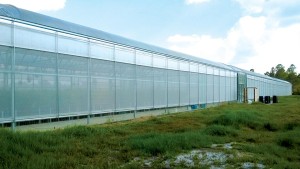
The quality of water and nutrient solution used in controlled environment agriculture is one of the most important factors that affect plant health and yield.
Before choosing your water treatment system, know the quality of your source, your treatment options, and how the system might fit within your operation.
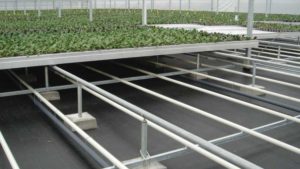
A team at the University of Connecticut is working to understand how greenhouse growers use water, including recycled water, and cope with limited irrigation water sources.
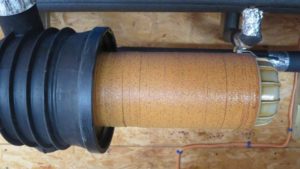
Iron in groundwater sources can wreak havoc on irrigation systems. Learning more about iron forms and testing methods can help you address problems when they arise.
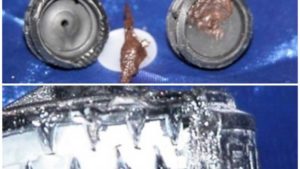
Dramm Corp. has developed a white paper that outlines control methods for biofilm, which is present in every greenhouse irrigation system and can harbor plant pathogens.
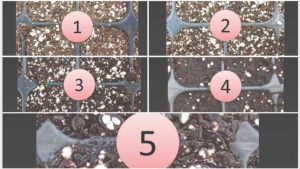
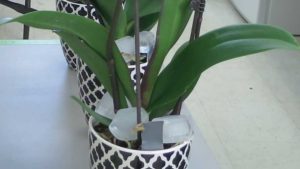
Researchers at The Ohio State University tested the ice cube irrigation theory to see if it is a viable option to recommend to consumers for hydrating orchids.
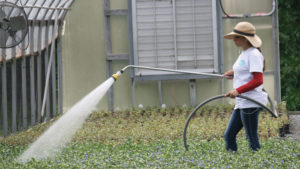
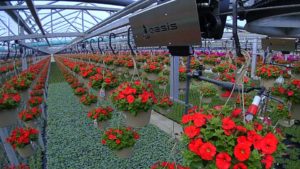
From watering mats to injectors, irrigation suppliers are focused on helping growers save water and control the flow of their irrigation systems. Here’s a look at some of their latest offerings.