Knowing the quality of your water can help improve crop health and avoid costly maintenance. Here are some tips on analyzing your water.
Irrigation water that is alkaline contains bicarbonates, and as crops are irrigated over time, these bicarbonates will increase media pH.
The University of Connecticut and University of Florida have partnered to launch the WaterQual tool as part of the CleanWateR3 research program.
A greenhouse maintenance plan and checklist can reduce equipment failures, improve equipment efficiency, and boost long-term profits.
The North Carolina-based nursery is trialing flood beds in its perennial houses, and is also replacing its misting systems.
Pallet Watering Mats have a rubber edge to keep water in and prevent water runoff.
The start of a new year is a good time to double check your irrigation system to make sure your crops receive the best quality water they can for optimal growth.

Dramm recently updated its MistTime10 misting controller to include a manual cycle that can be run anytime a grower feels an extra shot of mist is required.
Knowing the amount of water in your soil can help you better manage irrigation, leading to water savings and a stronger bottom line.
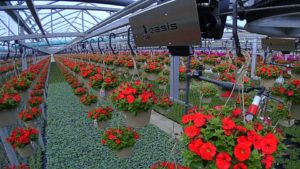
The boom system in place at Delaware, OH-based Foertmeyer & Sons, developed by Damatex Control Systems, provides more flexibility in growing and irrigating several crops in one area.
Beginning on Jan. 24, experts from Clean WateR3, a federally-funded research team, will present topics that are focused on helping growers reduce, remediate, and recycle irrigation water.
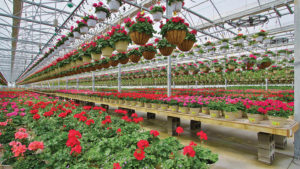
The Oasis from Control Dekk is designed to reduce water use by giving baskets the exact amount of water they need.
Altman has saved more than 100 million gallons of water through its on-site water recycling program.