As consumer interest in hemp continues to grow, Michigan State University is expanding its outreach efforts by assisting growers with production of this emerging crop.
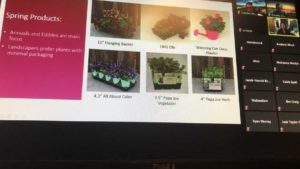
Michigan State University’s popular Online College of Knowledge greenhouse series continues this summer. Learn what you can take away from these educational opportunities.
Michigan State University’s Garrett Owen highlights why growers should monitor and adjust substrate pH to prevent the development of nutritional disorders.
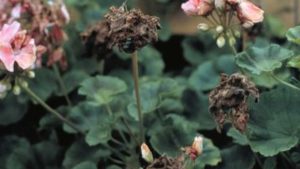
Botrytis cinerea, commonly called gray mold, infects many greenhouse ornamentals and is considered one of the most problematic plant pathogens in the world.
The coronavirus pandemic has had a profound effect on research, Extension, and education programs at land grant institutions, from sudden abandonment of research projects to a shift to online learning.
Greenhouse growers looking to refresh their knowledge on lighting, biological control, or fertility can register for three courses through Michigan State University.