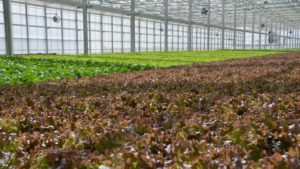
“Nutrient Management Level 1” is the second course of the Greenhouse Online Training program offered by the University of Florida.
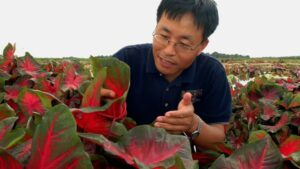
Caladium bulbs produced in Florida can sprout fast and put out attractive plants in the gardens or in containers in a few weeks.
The study’s results are crucial for both indoor production by consumers and for commercial growers producing crops in a controlled environment.
A University of Florida researcher is looking at how a development regulator can help ornamental and vegetable plants grow.
The course addresses the skill sets required to help with propagation, germination, extraction, and analysis.
Consumers have no way of knowing if the plants broadly marketed as wildlife friendly are truly so, a problem the University of Florida hopes to address.
Topics include plant parts, photosynthesis and growth, greenhouse technology, flowering, compactness, branching, irrigation, nutrition, and plant health.
Learn how smart water management and irrigation research can lead to better use of this natural resource, while maintaining plant quality.
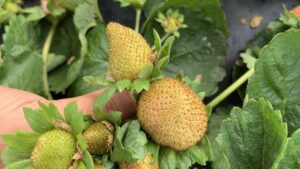
University of Florida scientists have found a way to better control chilli thrips in strawberries using biopesticides and beneficial mites.
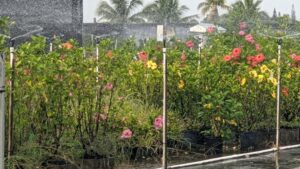
In South Florida nurseries, pink and yellow hibiscus varieties appear to be more susceptible to this hibiscus bud weevil than red and other varieties.
The most recent video in the University of Florida’s Five Tips for Horticulture series features water management insights from a collaborative research team.

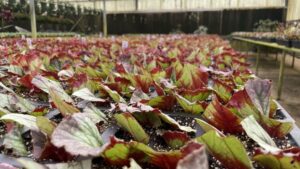
Begonias are one of the most popular flower bed plants, but increasing temperatures and high humidity are impacting the crop’s success.
A recent University of Florida YouTube video offers information on cultivar selection and crop management strategies to reduce heat stress.