The University of Florida is offering a new online training course covering weed management in the greenhouse. The course offers Continuing Education Units (CEUs) for growers in many states.
A new economic impact study from the University of Florida says the green industry contributes more than $21 billion in sales and 230,000 jobs to the Sunshine State’s economy.
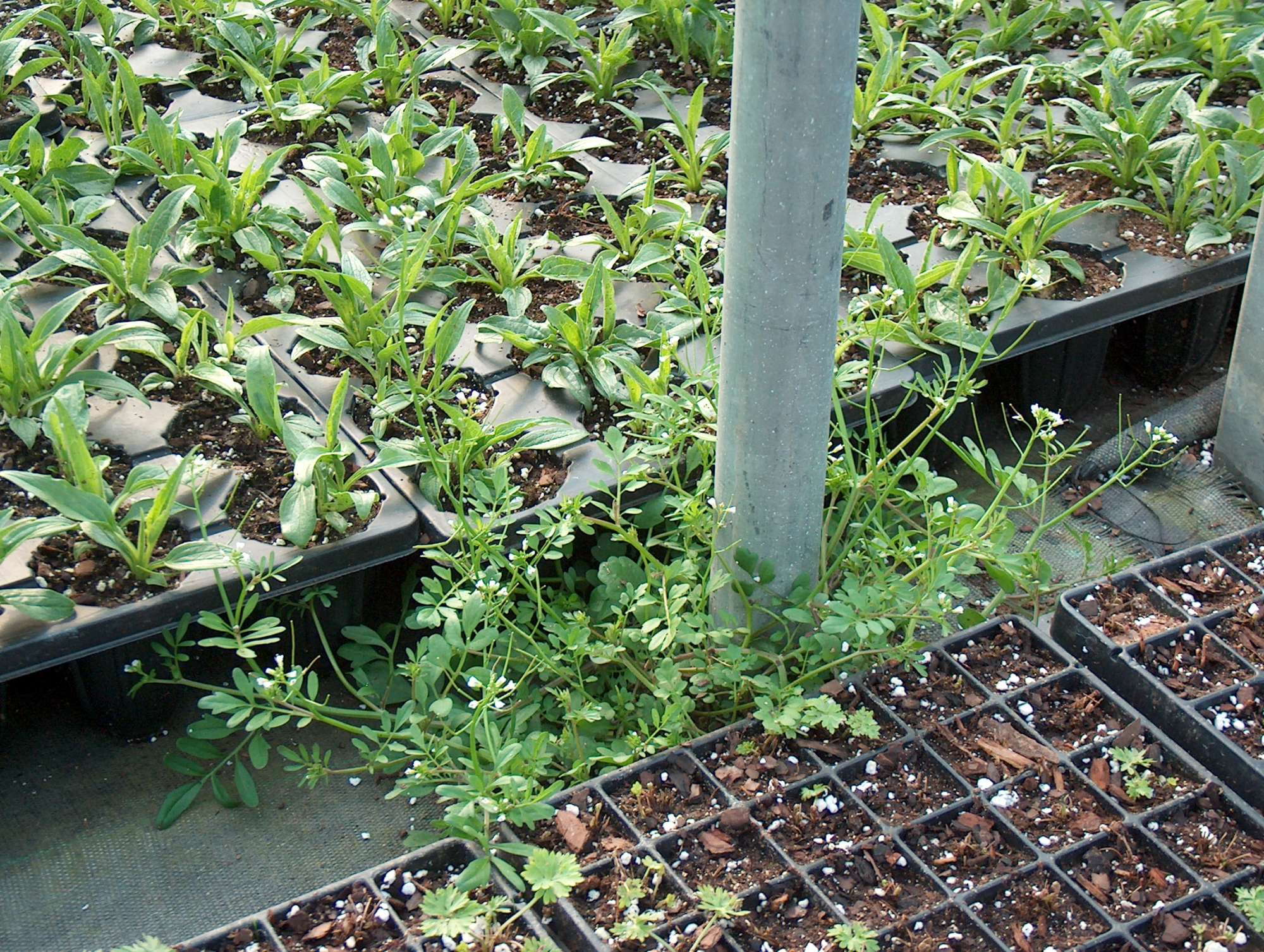
Participants in the course, which starts October 24, will learn how to manage all aspects of weed management in greenhouses, including weed identification, developing herbicide programs, and the latest non-chemical methods of weed control.
Topics include common nutrient problems, essential nutrients, fertilizer types, how to interpret a fertilizer label, managing total nutrient level, pH, and EC, onsite testing, and growing media.
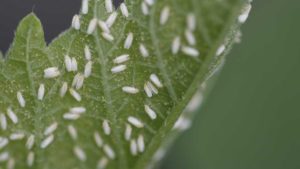
Reports have come from the Florida Keys to Palm Beach County that whitefly populations in landscapes are reaching unprecedented levels and are not responding to pesticide applications. Biotype-Q has been found in four different communities. University of Florida/Institute of Food and Agricultural Science researchers are working with USDA-APHIS, USDA-ARS, the Florida Department of Agriculture, and growers and landscape professionals to manage the developing problem.
There will be five courses offered, with the first starting on May 30. Courses are available in both English and Spanish and range from beginner level to advanced education.
According to the study, the rise of large retail chain stores with garden departments has made plants and other horticultural products more readily available to consumers than ever before.
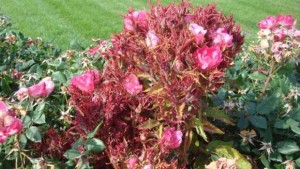
The collaborative effort to stem off the threat of rose rosette involves early detection and the development of new compounds to help plants defend themselves.
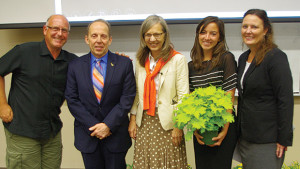
University of Florida Institute of Food and Agricultural Sciences Professor David Clark recently donated his 40,000th plant to an undergraduate psychology student.
A team of scientists at the University of Florida have found a way to help growers reduce pesticide use and potentially save millions for the ornamental industry.
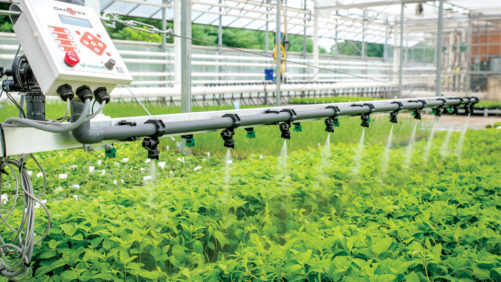
Researchers at the University of Florida Institute of Food and Agriculture Sciences, along with an automation technology company, have developed a web-based irrigation system that saved 21 percent in water use without reducing growth of container-grown landscape plants.