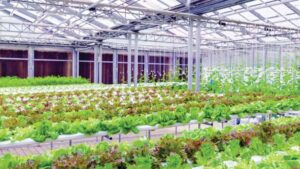
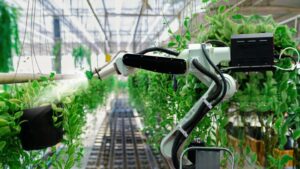
With a lack of consistent labor, indoor vegetable farming operations are turning more toward automation.
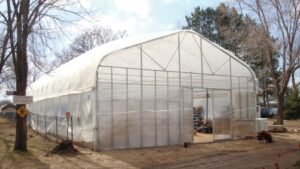
There are a number of factors that influence performance in a winter greenhouse, and growers often have to consider the smallest details when they prepare for cold weather.
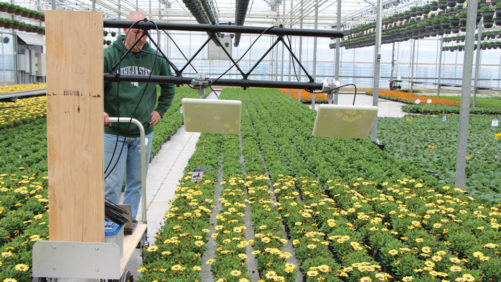
Wageningen University has developed a line sensor that measures which light wavelengths a plant absorbs and, to what extent, and why it’s important.
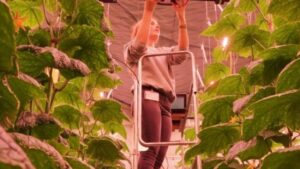
Pure Green Farms is now incorporating artificial intelligence and computer vision technology to automate operations and steer better crop performance at scale.
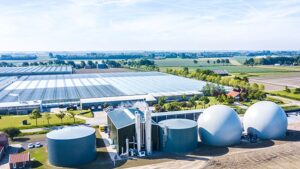
Biomass boilers are emerging as an ideal solution for providing reliable, efficient, and cost-effective heating of commercial greenhouses.
The acquisition will add Fluence’s complementary horticultural lighting technology to the Signify team’s existing knowledge and expertise.
Labor challenges, incentives for efficient equipment, and competition are pulling producers towards autonomous growing solutions.
Iron Ox’s newest innovation is designed to optimize plant yield, expand growth cycles, and maximize crop quality.
Persistent greenhouse production challenges require research expertise that can be hard to access. This is where the Greenhouse Technology Network can help.
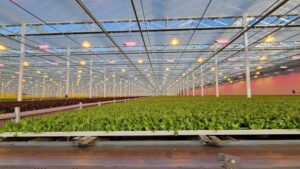
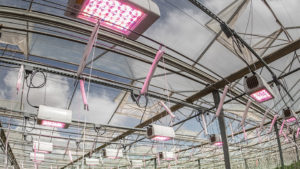
Learn the key principles you need to take into consideration when cultivating under high-intensity LED lighting solutions.
The GROW Executive Summit will offer a closer look at how new forms of automation are transforming the greenhouse space.
The research consortium LEDs Make it Resilient has initiated a new project focusing on the effects of light quality on plant growth and plant resilience, in terms of interactions with biocontrol agents.

Software mogul leads the way in effort to raise more than $50 million for California startup that believes bots can grow produce more sustainably.