



New University of Florida Study Investigates Back Pain in Horticulture Workers
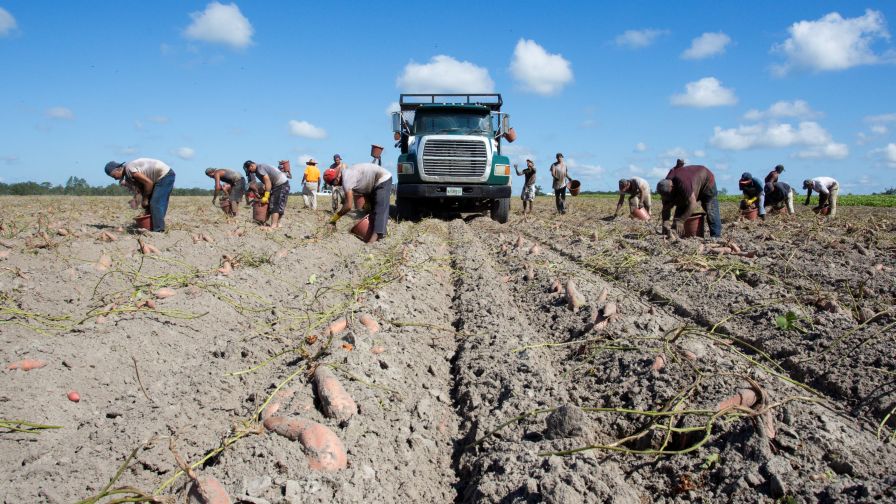
Horticulture workers in the field exhibiting actions that often lead to back pain. | University of Florida Extension Martin County
For many nursery and landscape workers, back pain does not send them home. It’s something they work through, and ultimately, it’s so common that many workers view it as part of the job.
Scientists from the University of Florida (UF)-based Southeastern Coastal Center for Agricultural Health and Safety (SCCAHS), including faculty from UF’s College of Public Health and Health Professions (PHHP) and the Department of Family, Youth and Community Sciences (FYCS), are conducting a study to determine if self-management of pain and ergonomic modifications are effective for addressing back pain in the horticulture industry.
In the study’s first phase, stakeholders from the nursery and landscape industry, including supervisors, workers, and insurance consultants, confirmed that many workers continue working despite pain.
“Not only is back pain debilitating for workers who rely on their bodies for income, reduced productivity, losing experienced workers, and overall costs for injury have major consequences for companies,” says Kim Dunleavy, a clinical professor in the Department of Physical Therapy in UF’s PHHP and lead researcher for this study. “Back pain can also lead to relying on pain medication, such as opioids and muscle relaxers, or over-the-counter medications, such as acetaminophen and anti-inflammatories, with negative health side effects.”
Early interviews with horticulture workers and industry leaders highlighted the seasonal and weather-related variability in workloads, requiring practical solutions that serve both employees and employers.
Workers described spending long hours lifting heavy plants, carrying materials, digging, and working in bent or awkward positions, all of which can take a toll on the body over time. Many say the short-term benefits of working through pain can come at a longer-term cost, including injuries, worker burnout, lost productivity, and challenges keeping talented employees.
Study participants say preventing back injuries would not require major changes in workplace practices, but they pointed to the need for tailored interventions for the horticulture industry. They acknowledged the need for greater awareness in the workplace about pain and more guidance on injury prevention, an area where formal training is often limited, says Dunleavy.
“Participants in the study were grateful to their companies for making it possible for them to participate and commented on the importance of options to help them continue to work and to reduce their pain,” says Dunleavy.
Preliminary findings are encouraging, with improvements in work task difficulty and pain, she says. The results highlight the importance of introducing the risks of pain medication, encouraging workers to use simple ways to manage pain, and tailoring strategies to protect workers before pain becomes a more serious or long-term problem.

For additional information on the study and its findings on back pain in horticulture workers, read the full article written by Chris Vivian on the UF/IFAS website.
Subscribe to eNewsletter