



What’s New in Foliage and Houseplants?
Whether it’s bold, new color, or better shipping durability, houseplants are evolving to meet the needs of today’s growers and consumers. While flashy new introductions still generate buzz, breeders and suppliers are also focusing on what makes a plant successful in today’s market — including reliable performance, strong shelf life, and a steady rotation of fresh, familiar varieties.
At ForemostCo, a family-owned company known for its extensive tropicals and foliage selection, CEO Joseph C. Roberts IX says the future of houseplants is about marrying innovation with accessibility.
“We’re really excited that tropicals are becoming more mainstream,” he says. “It’s great to see younger generations getting into it — especially since many of them live in apartments or condos without big backyards.”
Houseplants That Travel Well
One trend driving growth? Logistics. As consumers continue to shop online for plants, tropicals, and foliage items have proven to be some of the most reliable shippers.
“Indoor houseplants ship relatively well compared to a lot of other products,” says Roberts. “They lend themselves well to online ordering and delivery.”



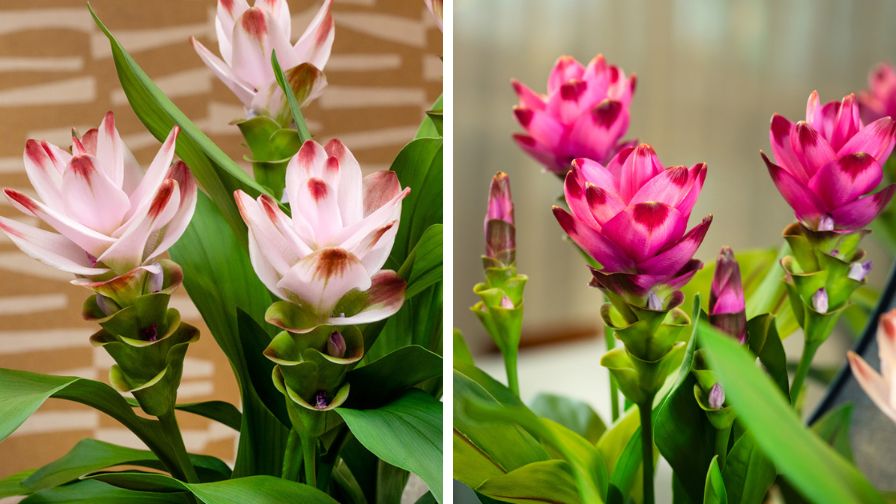
The Curcuma Siam Series, a houseplant that will bloom. | ForemostCo, Inc.
That shipping durability is top of mind for ForemostCo when it evaluates new offerings.
“Even if we love a plant, if it doesn’t ship well, it’s just not going to work for our customers,” says Roberts.
Heather Wheatley, Marketing Manager for Proven Winners, says the company’s leafjoy houseplant brand emphasizes quality and practical performance.
“We won’t bring a plant into the leafjoy program unless it meets our standards,” Wheatley says. “It has to be resilient, low-maintenance, and most importantly — it has to work for people’s actual homes.”
She explains that the leafjoy program was built around solving real consumer pain points, especially for the new generation of plant lovers who may be starting with limited experience.
“So many new customers say, ‘I can’t grow an Alocasia’ — and we get that. Our approach is to look for plants that are easy to grow, that don’t need tons of humidity, and that hold up without a lot of fuss,” she says.
This philosophy led to the introduction of the H2O series, which includes selections that require very little water, making it easier for first-time or forgetful plant parents.
“Their first entry point was, ‘How do we solve for overwatering?’ So, they developed the H2O line,” Wheatley says. “You don’t need to water these often, and that’s one of the biggest wins for beginners.”
Keeping Core Programs Fresh
Rather than chasing fast-fading trends, ForemostCo has found success in building out existing programs with new, improved varieties. The Aglaonema program is a prime example.
“We might have started with three or four varieties of Aglaonema, but through breeder partnerships and new genetics, we’ve expanded the program with new colors and growth habits,” says Roberts. “It gives our customers consistency, while still keeping things fresh and interesting.”
That strategy not only strengthens the supply chain, but it also supports grower success.
“If our customers already know how to grow a plant family like Aglaonema, they can add new varieties without changing their systems. That’s where the real value is,” says Roberts.
Proven Winners takes a similar approach with dependable yet upgraded introductions.
“We’re always looking for broader foliage, crisp color sets, and plants that stay nice in a pot,” Wheatley says. “But it’s not just about beauty. We ask: Can this survive in a 70°F living room? Does it need special treatment? We want people to succeed.”
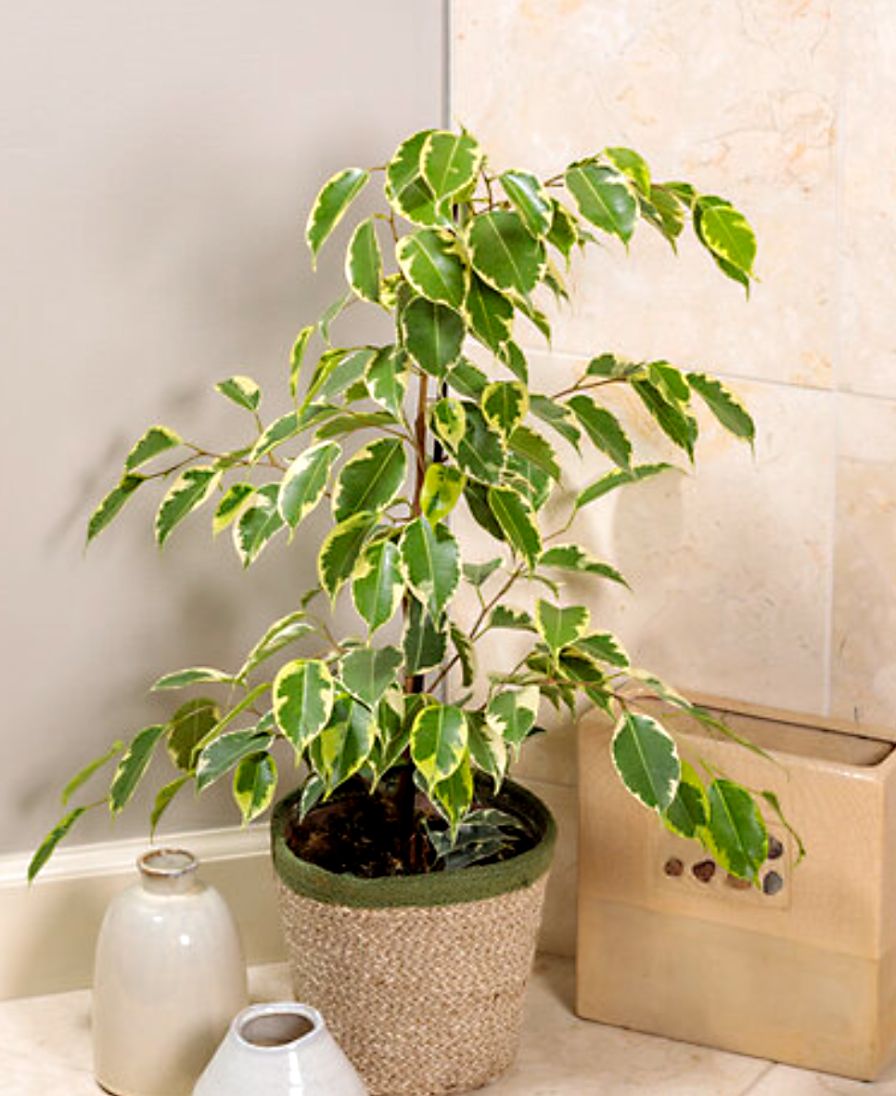
Cling-On Over the Edge Weeping Fig (Ficus benjamina). Bred to have leaves that resist dropping. | Proven Winners
One standout is the Ficus Cling On series, which Wheatley says is a perfect example of solving a longstanding issue — leaf drop.
“That’s a huge frustration for consumers. These new varieties are bred to hold onto their leaves much better,” says Wheatley. “It makes a difference in how confident people feel bringing plants into their space.”
Innovation That Benefits Growers and Consumers
Of course, unique and rare foliage still captures attention, and ForemostCo keeps an eye on what’s gaining traction — like variegated monstera, philodendron hybrids, or new Peperomia varieties.
“We’re trialing some exciting new genetics from a breeder out of Denmark right now,” says Roberts. “We want to know: How do they grow in the greenhouse? Are they disease-resistant? How do they ship? These are the things we test before scaling up.”
Roberts notes that the houseplant customer is getting savvier, too.
“We’re starting to see people care more about the blooms on their hoyas, for example. That’s not something consumers used to think about, but now it’s something they’re asking for. It’s exciting.”
Wheatley says Proven Winners is seeing the same trend, and their Hoya series has become a cornerstone of their trailing plant lineup.
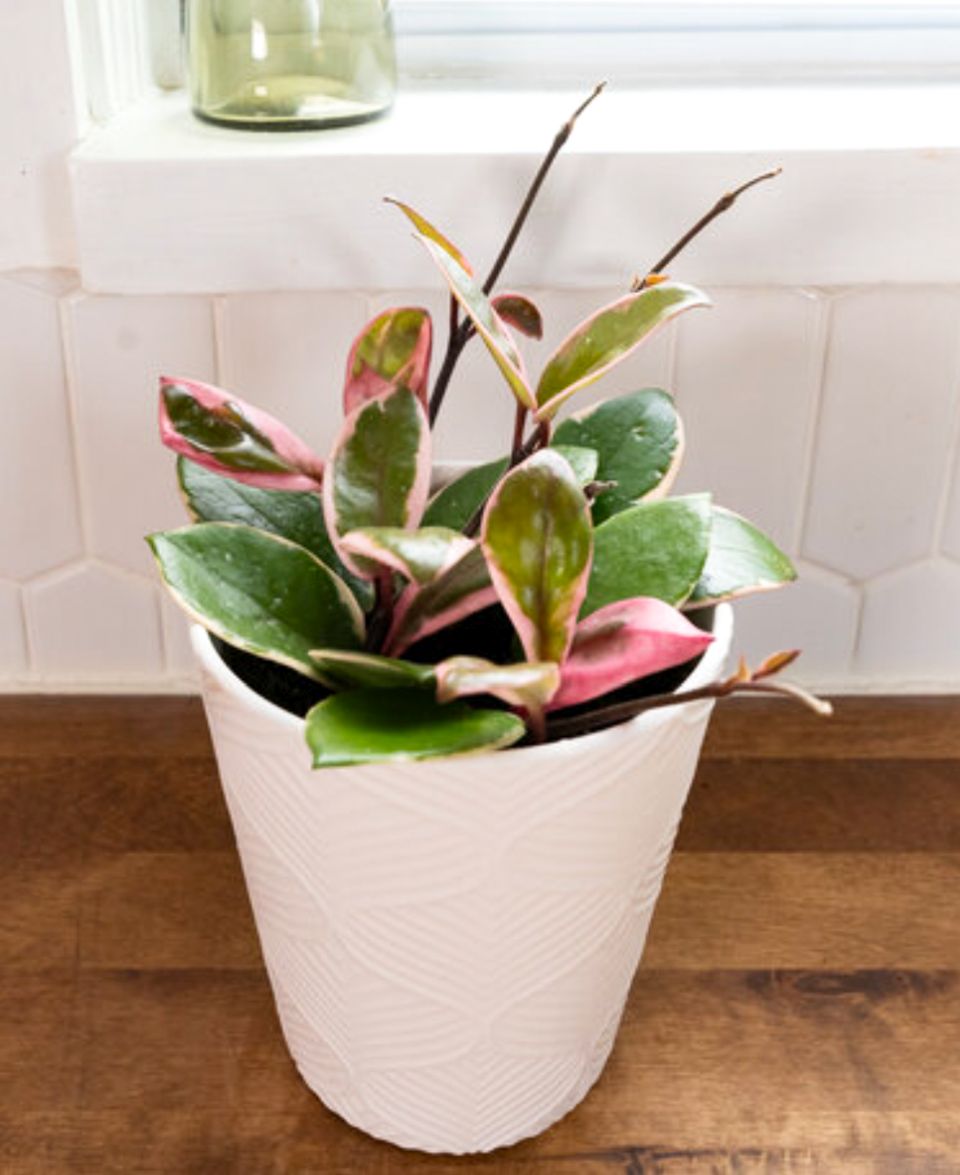
Endless Cascades Shining Sea Star Wax Vine (Hoya carnosa); Pink variegation, works well on a tabletop or in a hanging basket. | Proven Winners
“Our hoyas check so many boxes — they’re trailing, drought-tolerant, pet-safe in many cases, and they bloom,” she says. “And the fact that we offer care tips via QR code on every pot helps build consumer trust.”
Those QR codes link not just care guides, but alternative suggestions based on conditions or preferences.
“If you scan the code and realize that the plant isn’t right for you, it’ll recommend another one. If you love philodendrons but have low light, we’ll help you pivot to something that performs better in your environment.”
A Slow but Steady Path to Innovation
At Dümmen Orange, innovation in foliage breeding comes with its own pace — and purpose.
“Development in foliage is very slow. It’s not like breeding annuals or perennials. It takes time,” says Marta Maria Garcia, Marketing Director for Dümmen Orange North America.
That slower timeline hasn’t stopped demand, however.
“Since the pandemic, houseplants have skyrocketed,” Garcia says. “We’ve had customers coming to us asking for more foliage varieties, and that’s what led to the launch of our Welcome to the Jungle program in 2021.”
One standout from that collection is Tradescantia ‘Nanouk’, which has proven especially versatile.
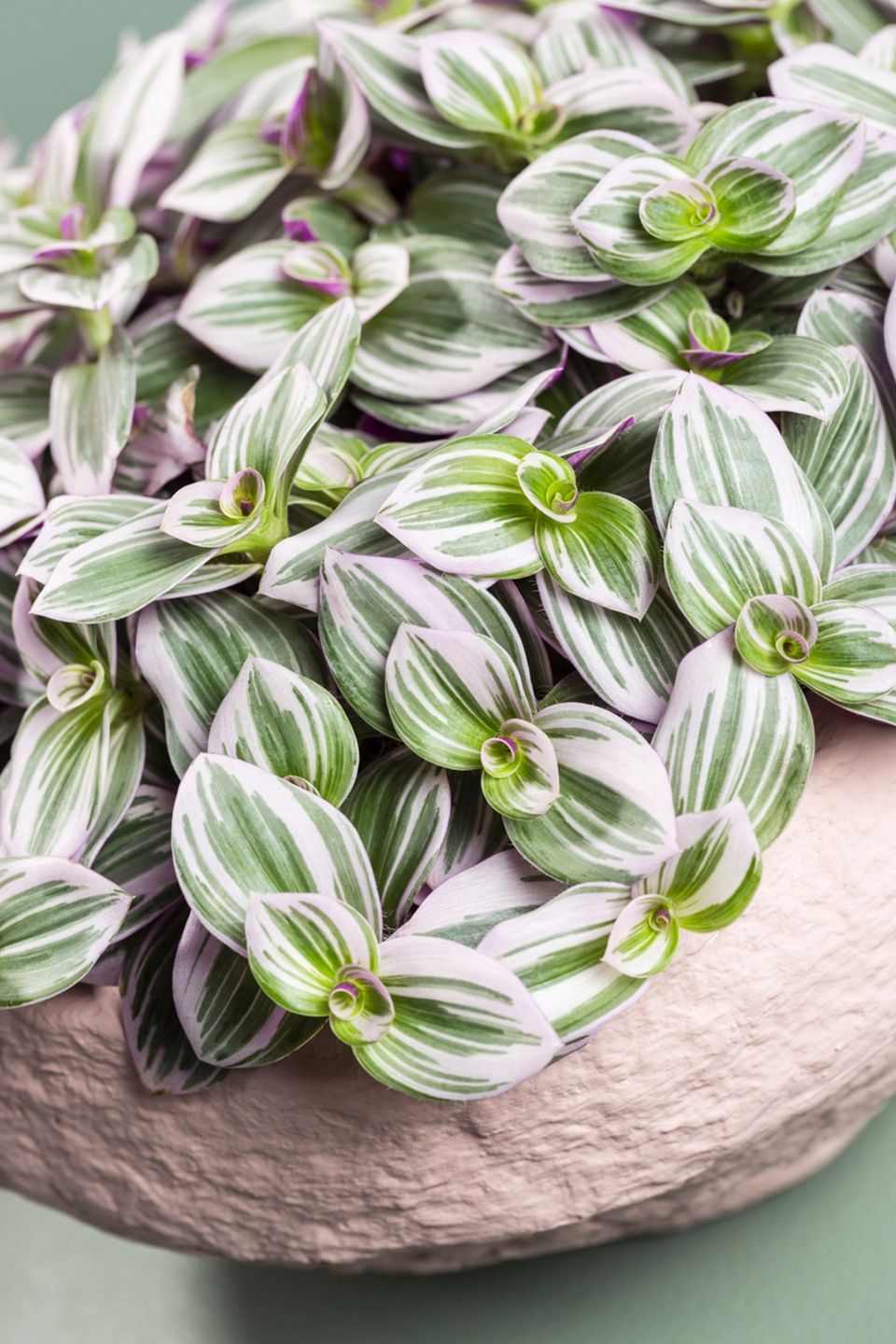
Tradescantia ‘Nanouk’. | Dümmen Orange
“It acclimates well to different light levels, keeps its color, and works beautifully in combination planters,” says Garcia. “We’ve seen annual growers using it like a coleus; it’s textured, colorful, and requires little effort.”
Dümmen is also focused on revitalizing familiar favorites.
“We’re bringing back some plants that may not have had their prime time when they first launched, but the market is finally ready for them,” Garcia says.
The team is paying close attention to long-term performance, too.
“If a plant goes through stress or disease early on, it may not show until much later. That’s why customers are asking us for clean, reliable starter material for those core varieties that will never leave their assortment,” she says.
Looking Ahead
As breeding programs evolve, so do consumer demands. ForemostCo, Proven Winners, and Dümmen Orange all see this as a dual opportunity — to find standout genetics and streamline production.
“We look for plants with faster crop times, stronger stems, longer shelf life — anything that makes it easier for growers to succeed,” Roberts says. “Of course, you still need the colors, the textures, and that wow factor. But performance behind the scenes is just as important.”
Garcia agrees:
“It’s about identifying the plants that growers need and finding ways to make them even better — cleaner, more consistent, and ready to perform.”
Wheatley adds that the next frontier isn’t just rare or flashy — it’s dependable beauty that fits modern lifestyles.
“There’s a whole demographic from 15 to 45 who are seeing houseplants as interior décor, wellness companions, or even pets,” she says. “So, our goal is to make sure what they bring home actually thrives.”
As breeders continue to refine the foliage and houseplant category, they’re balancing novelty with dependability. The goal is clear: meet the needs of a diverse and growing audience, while giving growers reliable crops and retailers fresh options to excite their customers.
Subscribe to eNewsletter