



Executive Perspective: Why Plant Health Should Be a Key Factor in Using Growing Media
 August 27, 2026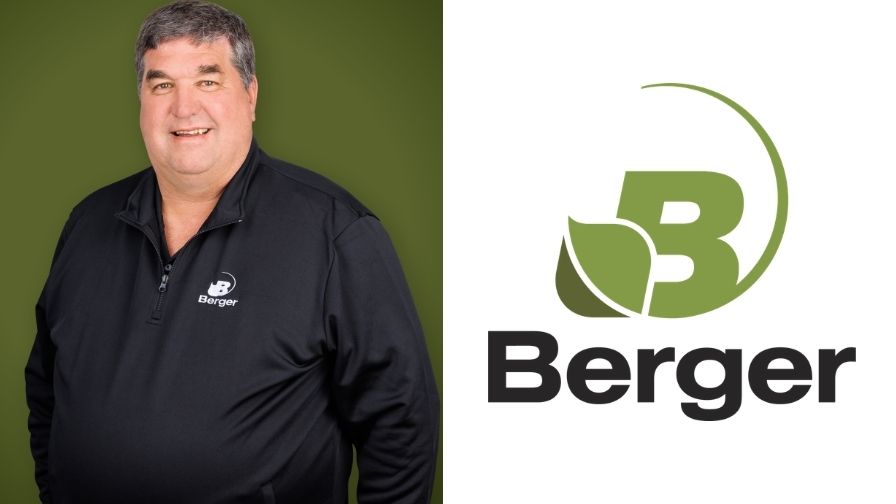
Chuck Buffington of Berger. | Berger
Chuck Buffington has spent his career on the input side of the turf and ornamental businesses with stints at Syngenta Professional Solutions, Fafard, and Syngenta Flowers before joining Berger Horticultural Products. As Vice President of Business Development for the growing media supplier, Buffington is tasked with helping the company track industry trends and identify future opportunities, so we wanted to talk to him about the growing media business and where it’s headed.
Greenhouse Grower (GG): What do you think of this year? How has 2026 been for floriculture?
Chuck Buffington (CB): For floriculture specifically, I think it’s been flat with prior years. Some growers are up, some are down. And we know the weather had an impact this spring. All things considered, I think the industry is where we expected to be, and we’re returning back to the slow, moderate growth of the segment rather than the big changes we saw post-COVID. But I do think the industry held onto the growth that occurred during that period, which is good news.
From a grower’s perspective, we’ve seen some assortment changes, which we’ve been talking about it for years, of moving from flats to mixed baskets and containers and things like that. That’s just a continuation of the trend driven by the fact that the consumer wants more of a display-ready planting rather than having to buy the parts and creating their own landscape from six packs.
GG: What do you see happening in the produce side of the controlled environment market?
CB: That’s definitely a big growth area and a market we think will offer significant growth in the future, but we’re certainly not shifting our focus. We’re all about floriculture. That is our business. We have added some additional resources and dedicated some people for some of the agricultural market segments like CEA, and we’ve been pretty successful within the leafy green segment, but floriculture remains a high priority for us.
GG: What do growers need to know about the differences in growing media for fruits and vegetables as opposed to floriculture crops?
CB: Our products for food crops are really variations of our current floriculture mixes. The grower’s needs and the crop’s needs can be quite different for food crops. For example, something we do for our customers in growing leafy greens is food safety testing. We systematically test our product for key human pathogens, including Listeria spp. and E. coli. This proactive monitoring approach helps minimize the risk of pathogen contamination, supports the customer’s food safety objectives, and provides growers with confidence that the media can be used as intended.
Plus, from a business perspective, food crop growers are generally in production 52 weeks out of the year, so they’re on a very different purchasing cycle than what we see with traditional floriculture and we have to adapt to meet their needs.
GG: How does the growing media business look different five years from now for the floriculture market?
CB: The big thing when looking at floriculture five or 10 years out is that growers will be looking for different amendments or inputs. As an example, we’ve already seen a shift from perlite to wood fiber. One of our top mixes now is a mix containing wood fiber. And so what growers need in a mix is going to continue to evolve.
We are constantly looking at other soil amendments or substrates that we could be using five years out. But, at the end of the day, that mix still has to provide what it does today, which is a product that is very consistent, predictable, and of high quality so that producers get consistency year in and year out.
Ultimately, I don’t think you’re going to wake up and find that the industry has had a total flip from what we’re doing today, but we’ll definitely see changes in the ratios.
GG: What differentiates the growers who use peat or media most effectively from those who don’t?
CB: Ultimately, it’s like any market. Sometimes growers get too tied up on, “What’s my unit cost for one pallet?” And there’s so much more to buying inputs smartly. Sure, the best growers understand a product’s benefits and their cost per pot. But also, how does that product impact other, less obvious costs like shrink or watering? Those are very real costs that growers incur that aren’t built into the pallet cost for growth media.
The cheapest product input doesn’t always translate to the lowest cost of production. Plant health is what really impacts growers’ bottom line. The growers who recognize which inputs and which variables impact the health of their plants and their own bottom line are the ones running their business the best.

Executive Perspectives is an editorial series in which Greenhouse Grower visits with leaders from across the industry to learn the challenges they see facing growers from their respective part of the business and their recommendations to help growers succeed. This interview has been edited for style, length, and clarity.
Bob West is the Chief Content Officer at Meister Media Worldwide, the publisher of Greenhouse Grower. He can be reached at 440-602-9129 or [email protected].
Subscribe to eNewsletter