


Spring Creek University: A Field Trip Worth Taking
 May 30, 2026
 A long-term employee and I once had a brief conversation in the greenhouse about what pre-booking was, and I realized we had some bigger problems to tackle. I should have never just assumed everyone knew what a booking was.
View all
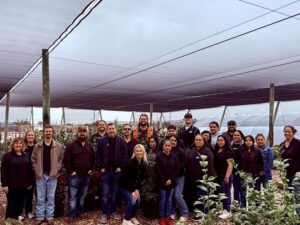
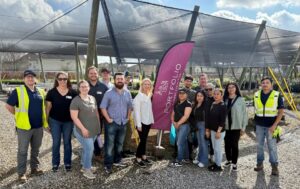
After almost 15 years selling and marketing plants, telling outsiders why buying from us is the cool thing to do, I stepped into the role of President of Spring Creek Growers and realized something surprising: We had some internal marketing to do, and the audience is our very own people.
That short discussion revealed to me we’d done a good job teaching tasks, but not nearly enough explaining to our team why the work mattered. Honestly, I was shook. I realized we had failed to connect the dots between their work and the customer experience.
Our customers are not just pre-booking plants. They are pre-booking trust. Process. Reliability. Confidence.
That realization sat with me for a few days until I came up with what felt like a slightly crazy idea:
a good old-fashioned field trip.
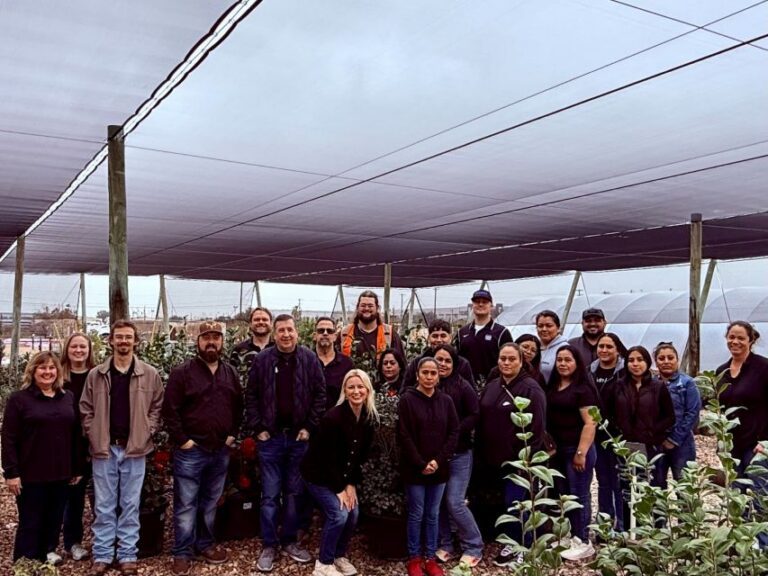
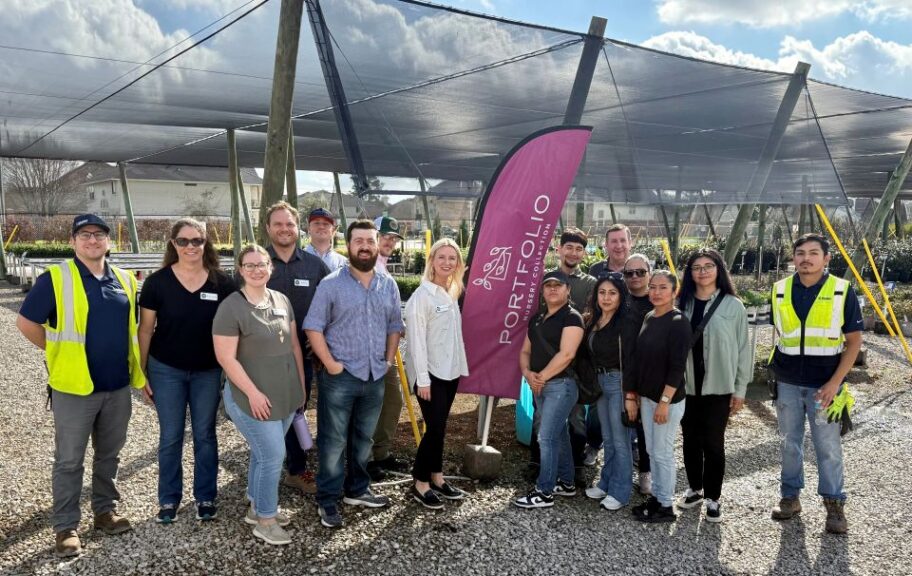
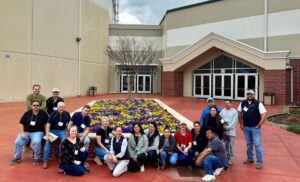
This was the impetus for the creation of Spring Creek University — a day where every department leaves the greenhouse and experiences firsthand how their individual contributions directly impact customer success.
I wanted our production team to understand that uniform flats matter to execute a flawless retail display or installation. I wanted our watering leads to see how moisture management affects sell-through at the store level. I wanted maintenance staff to recognize that replacing a greenhouse fan motor or repairing a door contributes to the success of an HOA entrance planting or a high-profile shopping center installation. I needed them to see why customers were compelled to give us a pre-booking months in advance. and what that impact meant for all of us.
This was not something I could accomplish through a PowerPoint presentation or another corporate-style meeting with inspirational stock photos and a round of breakfast tacos.
You have to be there.
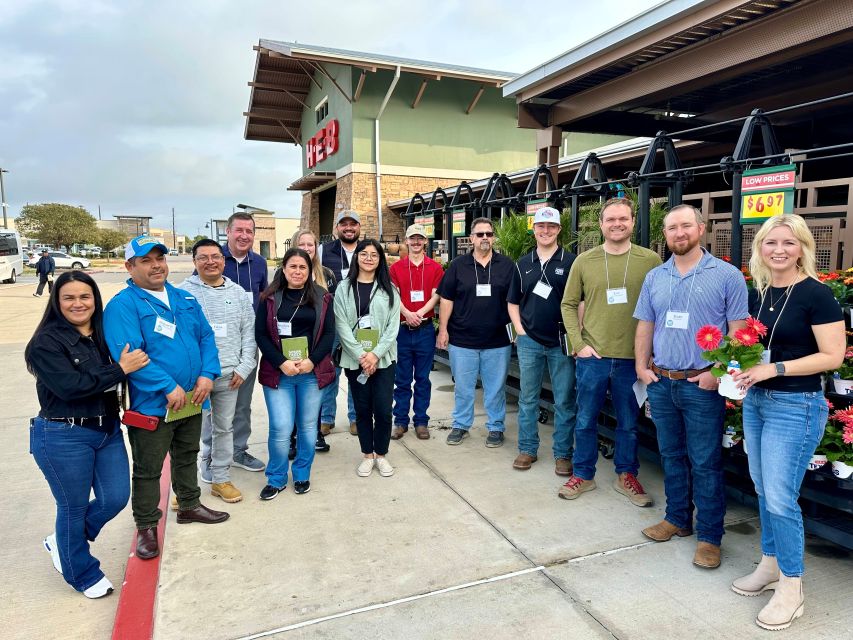
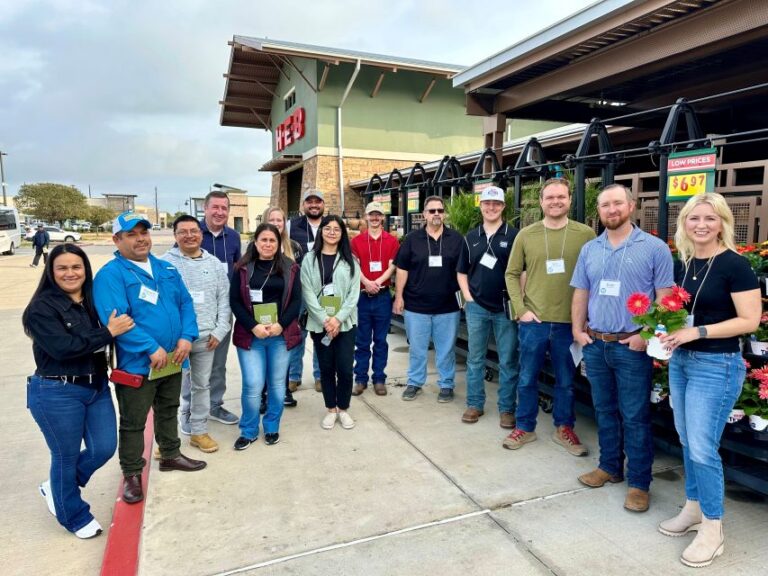
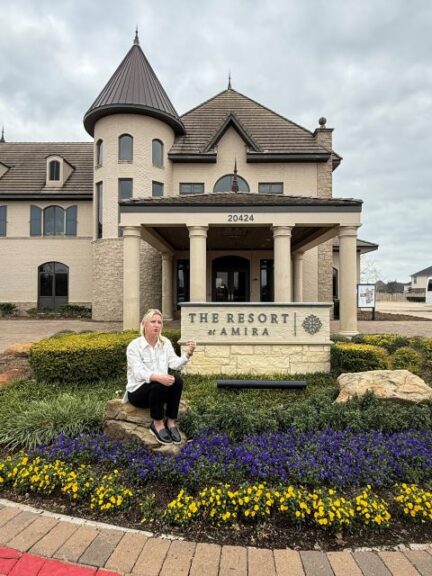
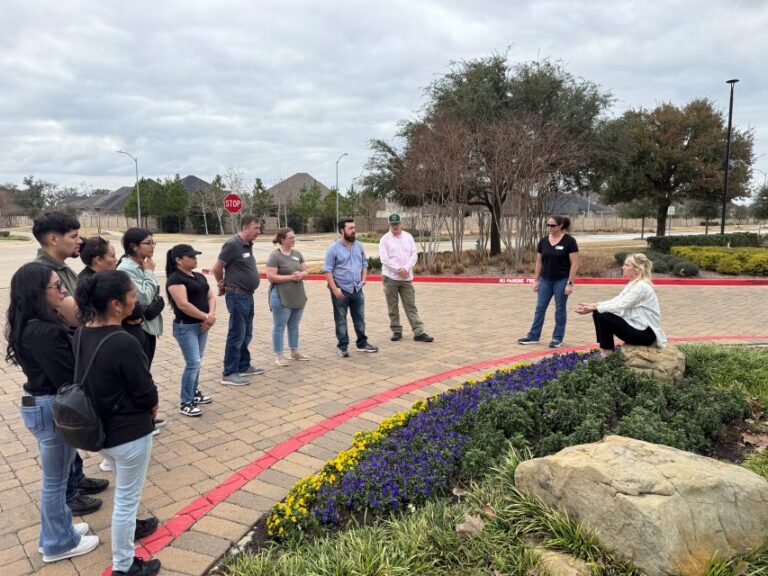
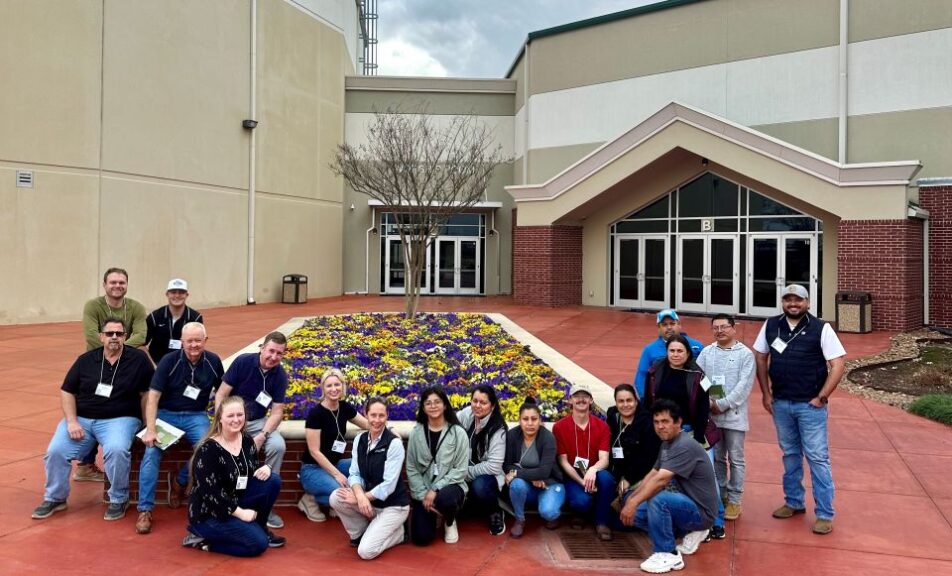
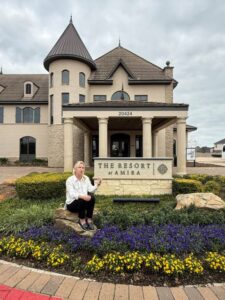
So, I rented a giant bus, hired a driver, loaded up the majority of our staff, and off we went across the city visiting an array of storefronts and job sites.
Once everyone is trapped on a bus together, most problems become surprisingly solvable. It turns out those giant charter buses come equipped with a microphone system that practically begs to be used for unsolicited leadership commentary. Naturally, there’s also a quiz at the end for the good listeners. It’s even complete with gift card winnings, because nothing boosts employee engagement quite like friendly competition.
Also worth noting is the recap portion of the day. Every team member is required to share something they learned, an observation they made, or an “ah-ha” moment that clicked for them during the trip.
That part is critical.
Not only does it help us measure whether the experience actually resonates, but it also gives us valuable insight into the themes people are noticing across customers, retail environments, operations, and consumer behavior. Often, the most meaningful business insights come from employees connecting dots we may not have seen ourselves.
Details on This Year’s Event and Goals
Between each stop, we discussed what we were seeing in real time:
- What were we doing well for our customers?
- What needed improvement and how could we execute?
- What were competitors doing better than us?
- Where do we flex to serve customers with different needs?
- How are we reinforcing trust?
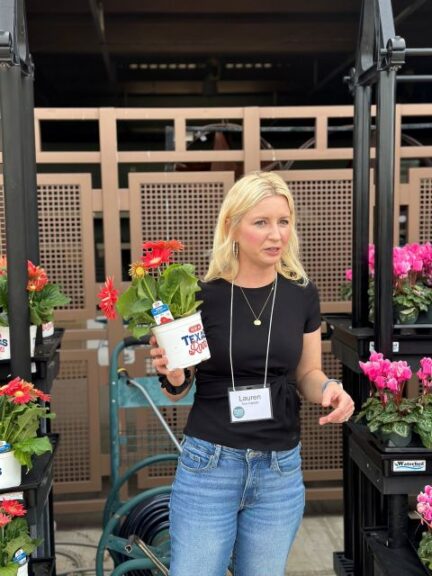
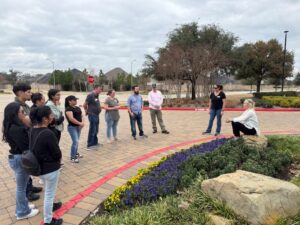
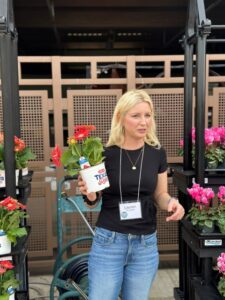
At every location, we came prepared with interview-style questions for the customer or site contact to help break the ice and encourage our mostly shy team to start connecting their work to the end result.
The goal was never simply “training.” The goal was perspective.
I wanted employees to understand that meaningful work transcends greenhouse walls and the dock warehouse. The plants we grow eventually become part of people’s homes, neighborhoods, shopping experiences, community spaces, and daily lives. The work done at the nursery creates environments where people gather, celebrate, heal, relax, and connect.
When employees understand the why, their pride in the work changes.
Key Lessons and Insights Learned
The insights from year one were nearly endless.
Once people are prompted to notice things, they notice everything: variety selection, plant spacing, merchandising placement, pricing strategy, customer traffic patterns, competitive products, and what shoppers physically stop and look at when entering a store. We want to understand all of it just as intimately as we understand our own growing operation.
I believe a well-informed workforce becomes more nimble, more adaptable, and far better at solving problems quickly. By the end of the day, that employee could clearly articulate exactly why a pre-booking mattered to our business, which in many ways, was the entire point.
What surprised me most was how much ownership employees began taking once they saw the bigger picture. Staff started asking sharper questions, offering stronger feedback, and engaging in conversations they may have previously stayed silent during.
The impact extended far beyond employee training, too. Every customer we visited had the opportunity to share their own work and explain why it mattered. There were a lot of kudos exchanged that day. Customers genuinely appreciated that we cared enough to step away from “real work” and spend time understanding their business on a deeper level.
What I originally thought would be a team-building and training day evolved into something much larger. Customers felt appreciated because we invested the time of the whole team to understand their world. Employees felt appreciated because we invested time revealing where their work goes. And somewhere in the middle of it all, we accidentally strengthened culture, increased cross-department learning and saw engagement climb dramatically.
This kind of education resonates because it is face-to-face, practical, and directly connected to the work being done every day at the nursery.
Some of the biggest benefits we’ve seen include:
- Increased confidence among emerging leaders
- Better communication between departments through a stronger shared goal
- Higher engagement and willingness to speak up
- Greater ownership and accountability
- A stronger sense of shared purpose across the organization
Next Steps
We just finished our third annual Spring Creek University. Going forward, we plan to continue expanding to more times a year to reflect seasonal marketplace changes. We want to continue exposing staff to customer environments, market trends, merchandising strategies, and the end-user experience so they can better understand the impact and agility of their work.
The internal marketing is more perpetual now as we hire new folks and continually reinforce to existing staff about the things that matter most to our organization.
Sometimes the most powerful thing you can do for a team is help them see that their work matters long after it leaves the greenhouse. The field trip just helped make the connection visible.
Subscribe to eNewsletter